
Voters overwhelmingly supported restrictions on AI and data centers in the recent US elections, contradicting Big Tech’s claim that the backlash is politically motivated rather than anti-tech. Redbud Consulting reported that 38 out of 44 ballot measures restricting data centers passed across 10 states, mostly imposing moratoriums and bans affecting future projects planned for 2028. Only one measure allowed a data center to proceed, but even that required independent reviews and public hearings in North Dakota.
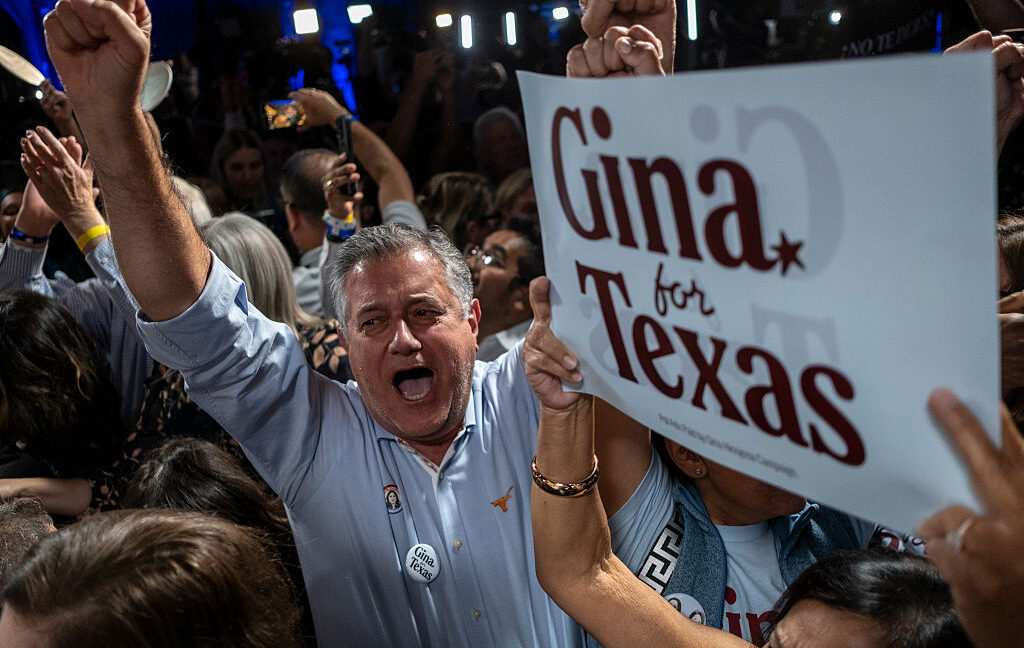
In addition to regulatory measures, voters elected anti-AI candidates, most notably Democratic challenger Gina Hinojosa, who won the Texas governor race. Texas, the epicenter of the AI boom, was expected to account for over 41% of added data center capacity in 2028. Hinojosa plans to delay projects until legislation addresses impacts on water, electricity, air, and property rights, putting approximately 13 gigawatts of capacity at risk. Analysts warn that projects without state environmental permits could face 12 to 18-month delays, and some may relocate to states like Louisiana or Georgia.
Democrats also won governor races in Arizona, Georgia, and Ohio—states previously attractive to data center developers. Axios projects that nearly two-thirds of 2028 data center capacity could face similar delays. Bloomberg estimates that half of all US data centers are now more vulnerable to scrutiny. The AI industry faces increased costs and regulatory hurdles, with Gartner estimating the AI boom is $5 trillion short of paying for itself. Despite widespread voter support for restrictions, tech industry groups like Chamber of Progress downplayed the results, with CEO Adam Kovacevich calling the backlash “anti-Trump” rather than anti-tech.
Source: Ars Technica · Summarized by HeadlinesBriefing