
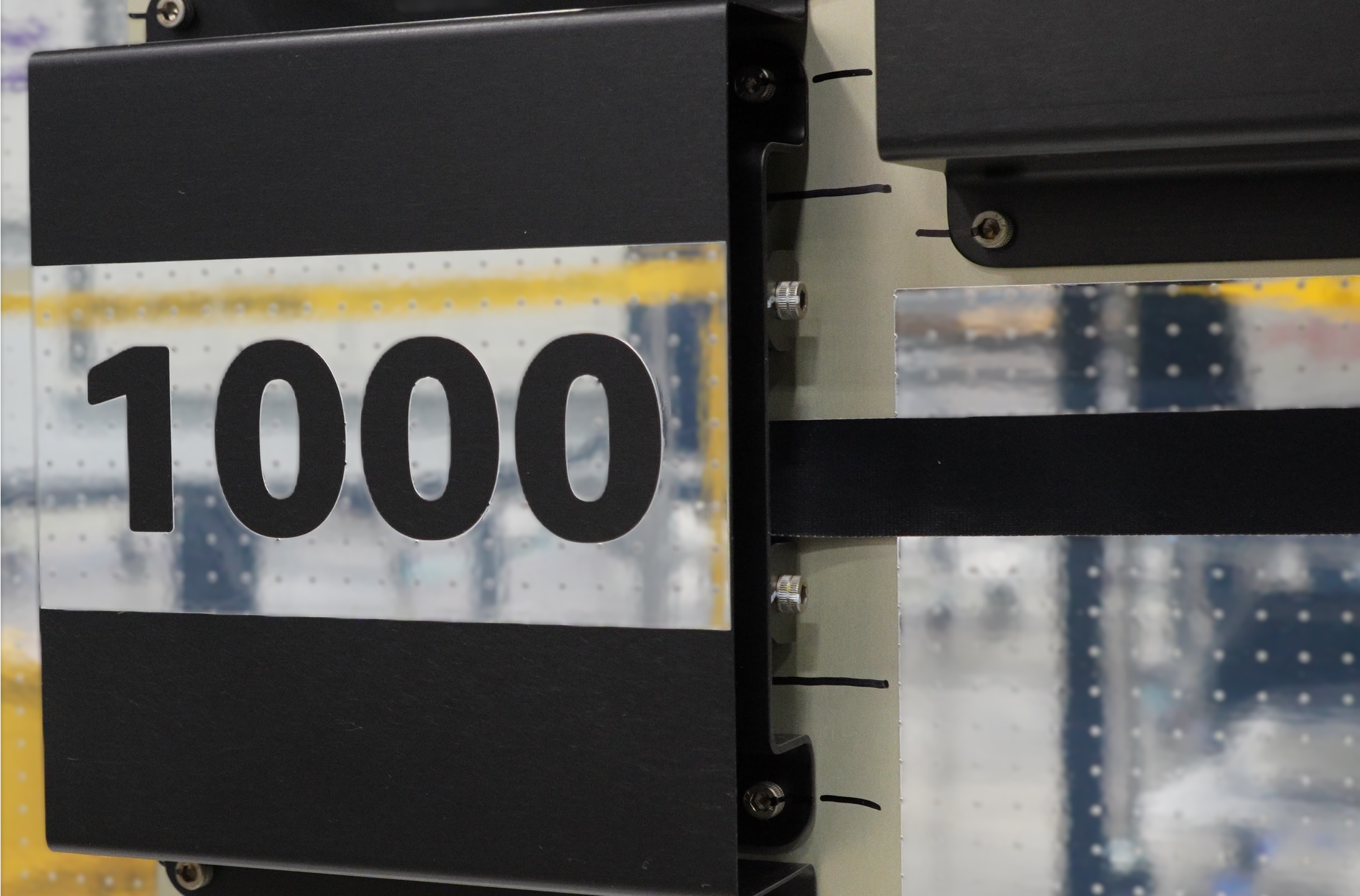
Amazon has built its 1,000th low-Earth orbit broadband satellite, signaling readiness to launch its space internet service by year-end. The milestone positions Amazon as a direct challenger to SpaceX’s Starlink, which has dominated the market for five years. At its Kirkland, Washington factory, Amazon is now producing several satellites daily and preparing for debut launches on the Vulcan rocket.
The project, known as Project Kuiper, is led by Rajeev Badyal, a former Starlink engineer fired by Elon Musk for moving too cautiously. Badyal emphasized that scaling production required designing for manufacturability from the start, overcoming quality and reliability gaps through continuous process improvements. Amazon has secured early commercial contracts, including an agreement with Delta Airlines to use its service over Starlink on aircraft—a deal that reportedly upset Musk.
With Vulcan rocket launches imminent and service testing underway, Amazon is poised to offer its first commercial broadband service soon. The company aims to provide a global alternative for consumers, businesses, and government users seeking high-speed internet from orbit. Success would mark Amazon’s entry as the world’s second-largest satellite manufacturer and a viable competitor in the growing space-based internet sector.
Source: Ars Technica · Summarized by HeadlinesBriefing