
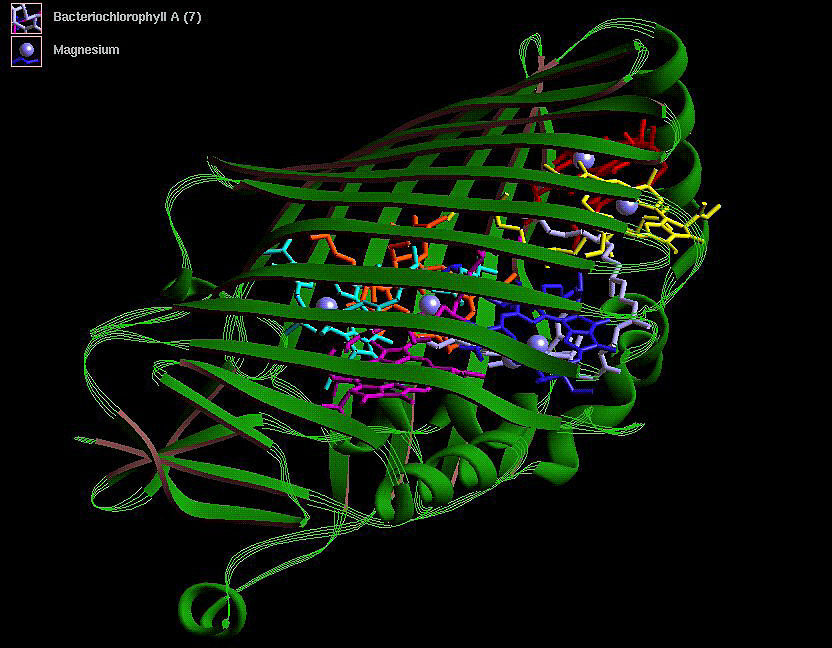
Designing complex protein structures has traditionally required deep expertise in biochemistry and 3D spatial arrangements of amino acids. A new tool called Pinal, developed by a Chinese research collaboration, aims to democratize this process by accepting natural language prompts. Users can describe desired protein functions rather than specifying technical constraints, allowing the AI to generate sequences based on functional tags from millions of annotated protein sequences.
Similarly, Hugging Face has introduced a DNA-level tool enabling natural language prompts for genetic design. While success rates for generating functional proteins remain modest, these systems handle the structural backbone generation and amino acid population separately. The approach mirrors "vibe coding," where the AI interprets functional intent from language, leaving laboratory validation to sort successful designs from failures.
These innovations signal a shift toward accessible protein and genome design for researchers without extensive structural biology backgrounds.
Source: Ars Technica · Summarized by HeadlinesBriefing