
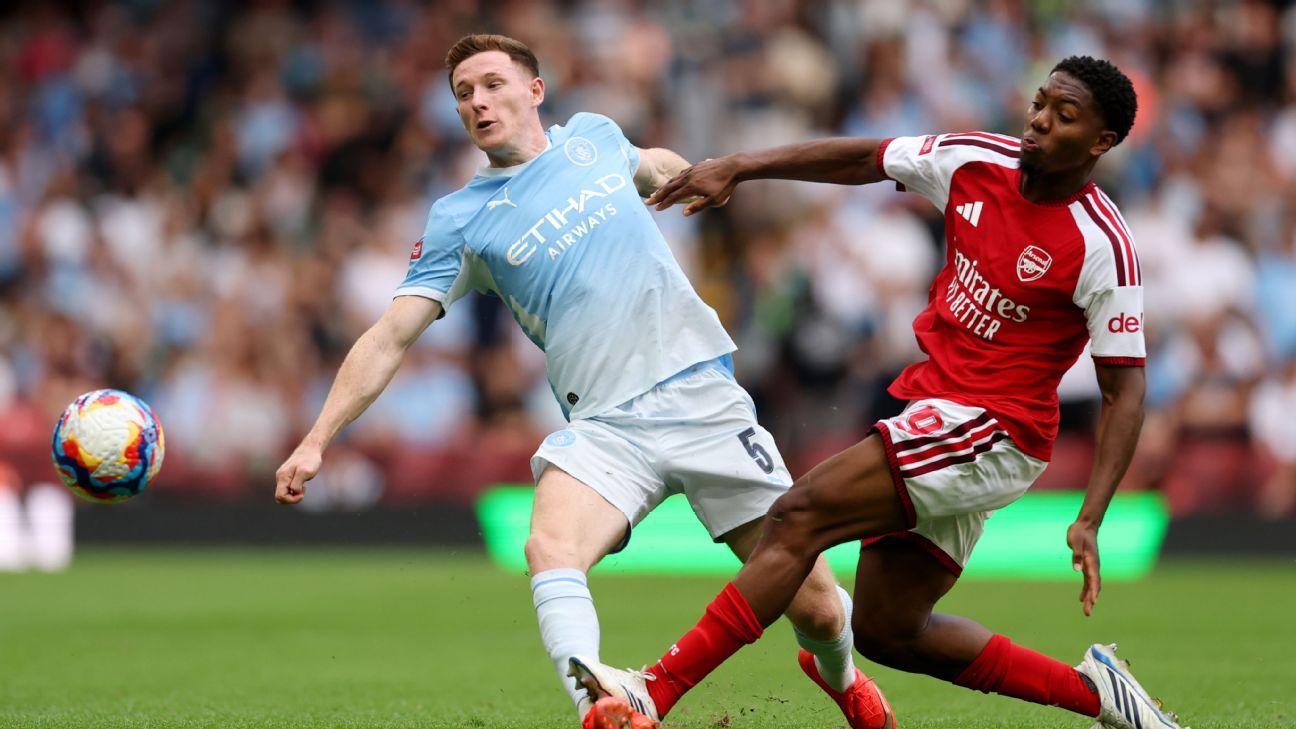
Elite European soccer in 2026 feels distinctly different from the 2010s, with the Premier League increasingly characterized by direct attacking, set pieces, and long throw-ins. Many big-club encounters have become frenetic, end-to-end affairs, such as the Bayern Munich-Paris Saint-Germain semifinals in last season's UEFA Champions League. Much of the change relates to how teams play without the ball.
In the 2010s, top sides pushed opponents back while keeping possession, but defensive teams countered with zonal marking. Player marking (man-to-man marking) made a comeback at the turn of the 2020s, with teams like Mikel Arteta's Arsenal and Andoni Iraola's Bournemouth combining it with zonal marking in hybrid pressing. This made slow buildup harder, causing teams to embrace more direct approaches.
Since the COVID-19 pandemic, every Premier League season has seen faster sprinting and more "high-intensity actions." With off-ball physical data more accessible, scouting departments now value athletic qualities more. These changes affect the skill sets clubs look for when assembling starting XIs.
At goalkeeper, distribution and cross-claiming are now prized. New Aston Villa goalkeeper Zion Suzuki has generated buzz for his passing ability, despite his shot-stopping numbers being average (preventing minus-0.4 goals per 90 minutes in 2025-26). His skill set epitomizes today's goalkeeping, even as Pep Guardiola's Manchester City signed Gianluigi Donnarumma—a strong shot-stopper but average distributor—in summer 2025.
Source: ESPN Soccer · Summarized by HeadlinesBriefing