
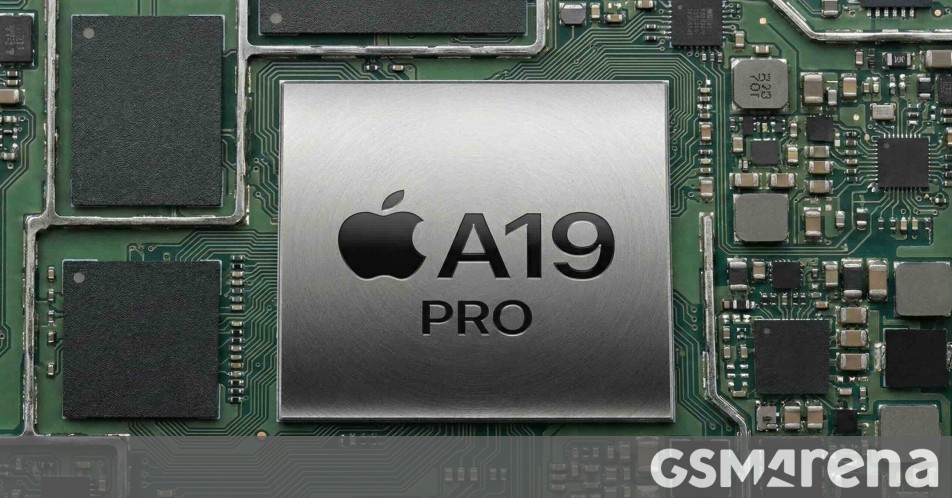
Apple is exploring partnerships with Intel and Samsung to reduce dependence on TSMC, its sole chip supplier since 2014. The move follows supply chain disruptions and a public admission by Apple that over-reliance on TSMC poses risks. Negotiations with Intel and Samsung are in early stages, with Apple executives visiting Samsung's Texas factory ahead of its advanced chip production launch. TSMC remains Apple's primary partner, but the company seeks alternatives to ensure long-term supply stability.
The shift stems from global chip shortages exacerbated by AI-driven demand for data centers. Apple's hardware restructuring, merging engineering teams under Chief Hardware Officer Johny Srouji, signals strategic prioritization of supply chain resilience. While TSMC's proven yield consistency has been critical to Apple's success, Intel and Samsung must demonstrate comparable reliability to secure major orders. This diversification effort could reshape semiconductor industry dynamics, challenging TSMC's dominance in high-performance chip manufacturing.
Apple's previous partnership with Intel ended in 2018 when the chipmaker exited mobile processor production. Re-engaging Intel would require overcoming technical and operational gaps, as the company now focuses on server and data center chips. Samsung, meanwhile, has gained traction with Apple through its Exynos processors in iPhones and recent foundry investments. Both firms face pressure to match TSMC's 3nm and 2nm process capabilities to meet Apple's performance demands.
The outcome of these talks could redefine Apple's hardware strategy and semiconductor market leadership. While TSMC's advanced manufacturing remains unmatched, Apple's push for diversification underscores industry-wide supply chain vulnerabilities. Analysts warn that scaling production with new partners may initially impact product timelines, but long-term benefits include reduced geopolitical risks and increased competition in chip innovation.
Source: GSMArena · Summarized by HeadlinesBriefing