
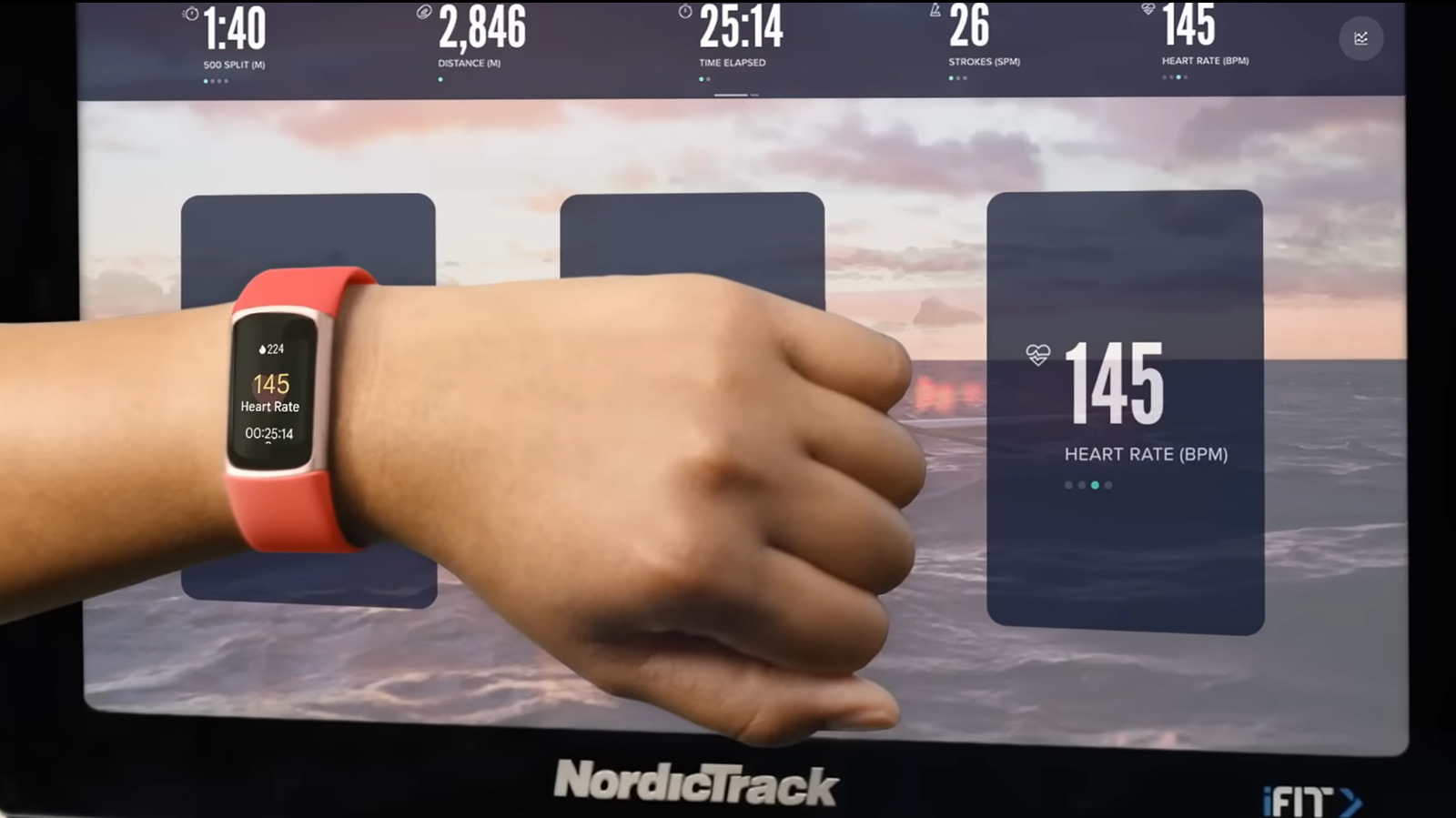
Your usual numbers matter more than anyone else's. If your Fitbit reads 62 bpm for resting heart rate and 24 ms for heart rate variability (HRV), remember that the second number is harder to interpret. There is no score to beat for HRV; it measures the difference in time between heartbeats and shows how your body responds to stress and recovery. Comparing your reading to another person's won't tell you much. Your own numbers over time have more to say.
A heart rate of 60 bpm is an average, not a promise of perfectly spaced beats. Tiny variations are influenced by your autonomic nervous system, which regulates your body's response to stress and relaxation. Fitbit's optical heart rate sensor estimates the time between beats, and Google calculates HRV using root mean square of successive differences (RMSSD), measured in milliseconds. Fitbit uses the longest sleep period from the previous 24 hours to calculate HRV, requiring periods lasting more than three hours. If you did not sleep sufficiently or the sensor could not obtain enough data, you may not see a reading. You can find your numbers in Google Health under Health > Vitals > Heart rate variability. In addition to day-to-day trends, there are longer-term trends and a personal range based on up to 30 days of data.
Google does not specify a universally "good" HRV reading because age, fitness and individual physiology all play a part. If your HRV is normally around 25ms, then 20ms isn't unusual, but if your HRV is normally closer to 70ms, then 20ms is more surprising. Your HRV may change following a bad night's sleep, a challenging workout, stress or alcohol consumption. A persistent decrease may be worth paying attention to, particularly if your resting heart rate or sleep patterns are changing. After a few demanding days, you may want to slow down, but a lower reading alone does not mean you're getting sick. Google's Readiness score uses those three measurements to estimate how recovered you are. A score below 30 is classified as low. A 2024 study on the Fitbit Charge 4 showed moderate to strong agreement with reference HRV measurements, though Fitbit tends to underestimate HRV. Sensor placement and movement can affect optical readings, while an ECG measures electrical activity directly. Comparing brands is not straightforward, since Apple Health's standard HRV measurements use SDNN, a different calculation from Fitbit's RMSSD. Your Fitbit can track changes, but it cannot tell you what exactly is causing them. If changes are ongoing and accompanied by symptoms, it is time to talk to a health care provider.
Source: Engadget · Summarized by HeadlinesBriefing