
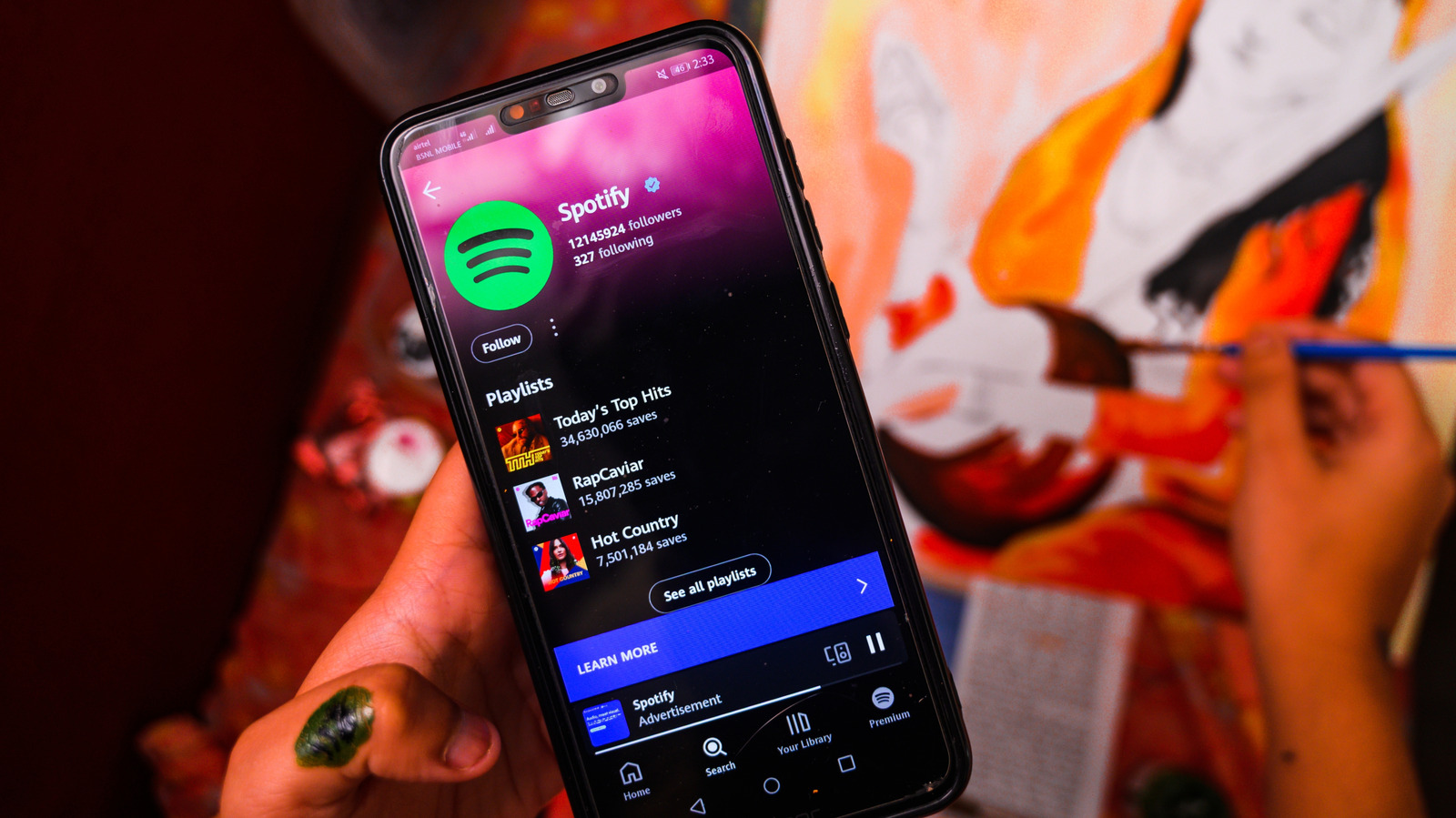
When it comes to battery and data usage, downloads are usually the most efficient option, especially for content you plan to revisit. While downloading requires an initial burst of power and bandwidth—best done over Wi-Fi to avoid cellular data caps—subsequent plays require virtually no additional resources. Streaming only makes sense for one-time consumption, as devices often cache streamed content anyway, wasting resources if not finished.
The primary downside to downloading is storage space. For instance, Spotify notes that lossless downloads can consume up to 1 GB per hour of playback, which can quickly fill your device. However, adjusting media quality can mitigate this. Lowering Spotify's stream to "Very high" (320 kbps) drops data use to just 0.14 GB per hour. Similarly, choosing 720p or 480p video resolutions instead of 1080p or 4K significantly reduces data consumption and battery drain.
Ultimately, other habits also impact efficiency. Lowering screen brightness, limiting background app updates, and being selective about what you download can further preserve battery and data. If storage is tight and you only need to watch something once, streaming remains a viable, albeit less efficient, alternative.
Source: Engadget · Summarized by HeadlinesBriefing