
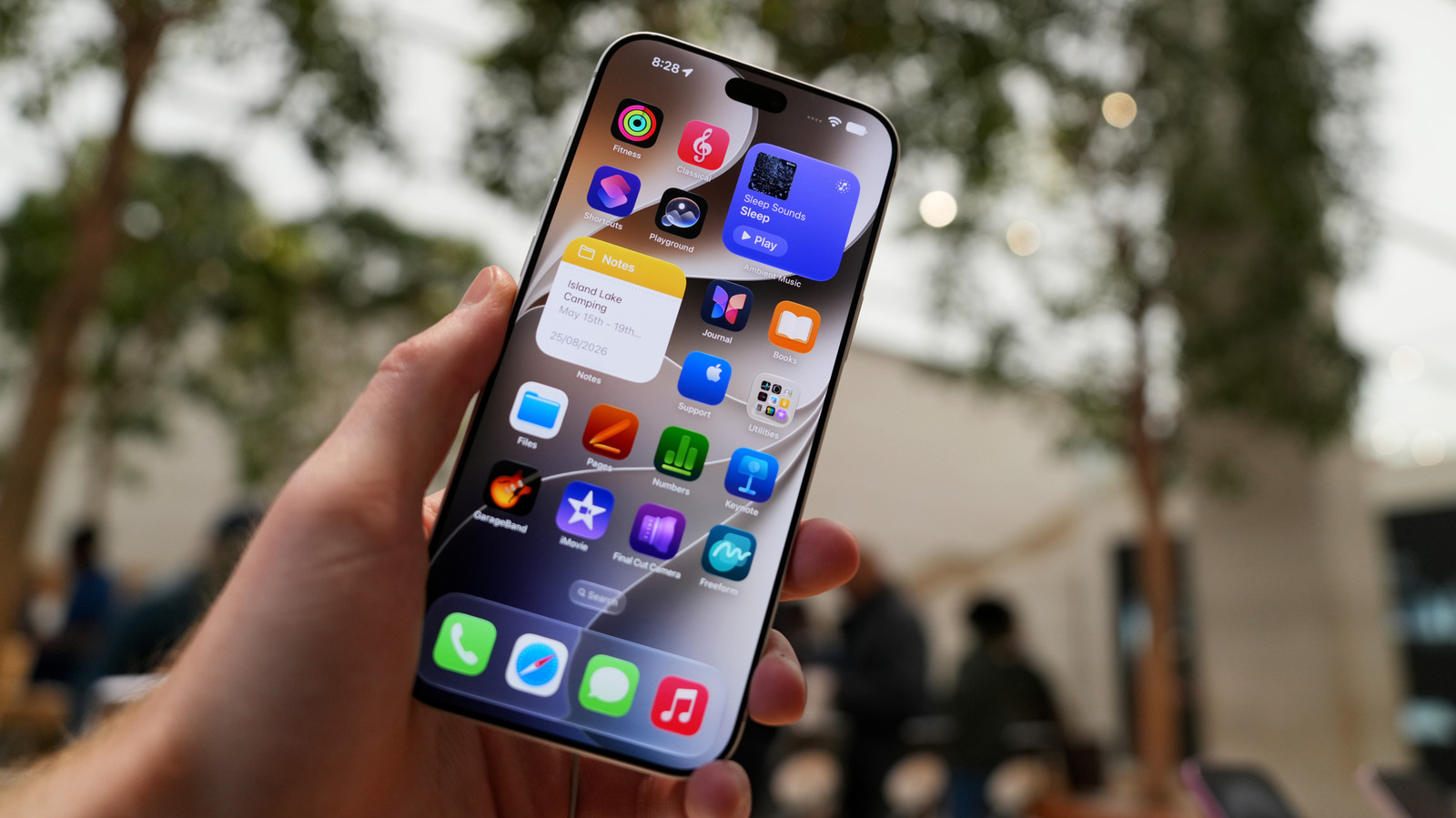
Any recent smartphone, whether Android or iPhone, is packed with sensors, and proximity sensors are among the most critical. They are less a single component than a category, and smartphones would be nearly impossible to build without them.
The most basic proximity sensor is the one that turns off the screen when you raise the phone to your ear. It relies on infrared and/or capacitive technology, preventing accidental touch commands and extending battery life, since the display is one of a phone's most power-hungry components.
Some phones use more advanced infrared sensors to detect when you are nearby. Apple's Face ID projects a series of dots to build a facial depth map and compares it with one saved during calibration. In some cases, facial recognition is "attention-aware," so whether you are looking can affect screen brightness, alert volume or whether sensitive content is shown. Because of the potential for abuse, companies use heavily encrypted authentication chips to keep facial data on the device.
The NFC (near-field communication) chip is another sensor tied to valuable information. It detects similarly equipped devices over a distance of an inch or two, enabling retail payments, digital keys, device pairing and direct file transfers. For that reason, only vetted apps should have access to it. Most capacitive touchscreens also act as proximity sensors, reacting to the electricity in your body, which is why accidental commands are so common. Bluetooth Low Energy can detect nearby beacons, and some phones use LiDAR sensors to map rooms and objects or speed up camera focus in dim conditions.
Source: Engadget · Summarized by HeadlinesBriefing