
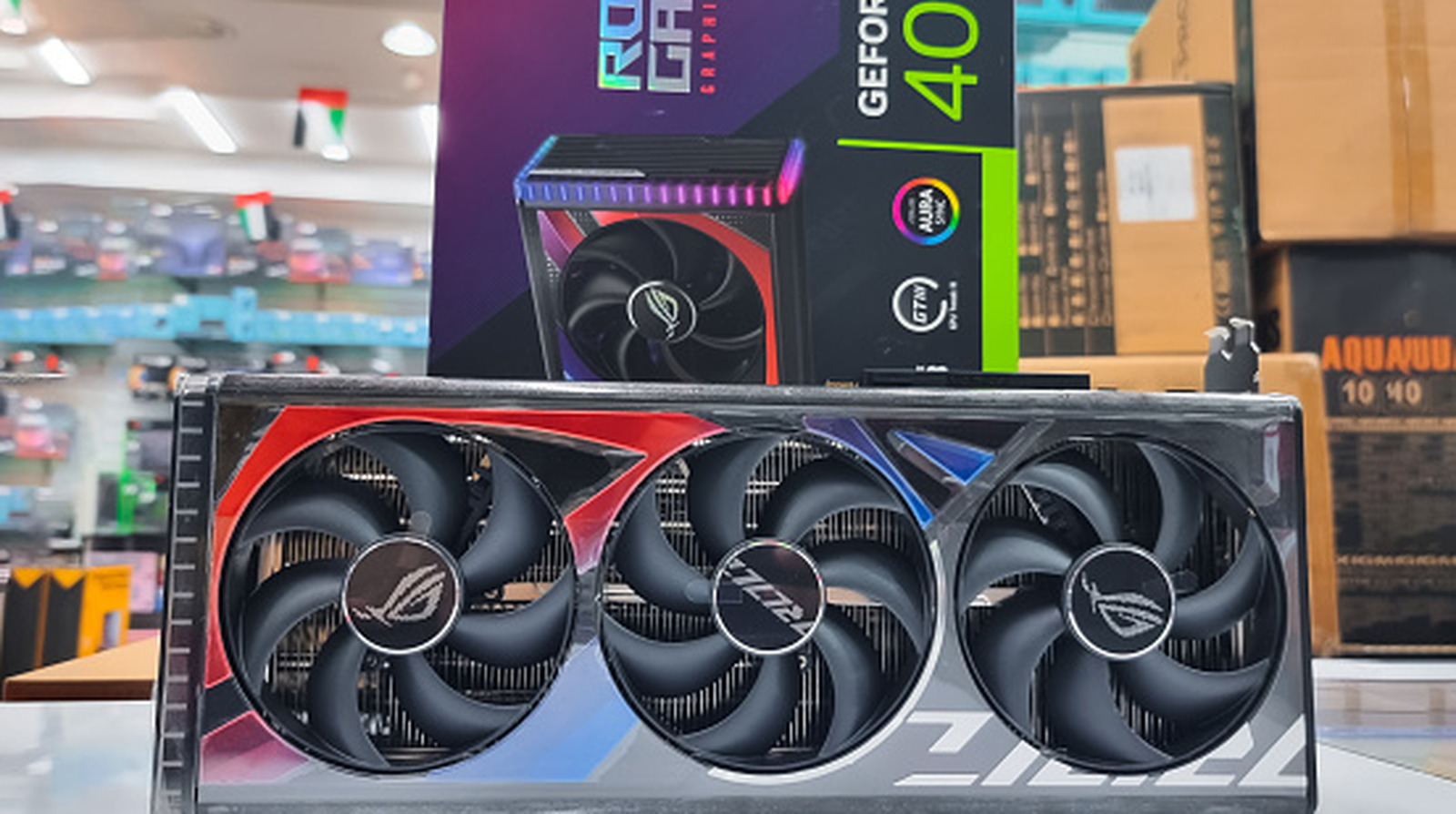
GPU prices have skyrocketed due to the AI rush, making affordable cards a prime target for scams. Buyers are reporting receiving bags of pasta and rice instead of graphics cards, or empty shells with memory dies removed. Physical repair shops have also been victimized by traded-in GPUs stripped of components. The overwhelming demand from both major companies and hobbyists has fueled a deluge of fraudulent listings online and on street markets. To avoid these cons, exercise extreme caution with deals that seem too good to be true, particularly on Facebook Marketplace or eBay. Avoid relying on stock photos; instead, search images on Google Images to verify authenticity. Always request additional photos from niche angles and press sellers to answer questions thoroughly. Meeting in person is the best safeguard, allowing you to physically inspect the GPU and run a stress test. If buying online, use platforms with buyer protection like eBay, but remain vigilant as scammers have devised methods to complicate refunds. Request videos of stress tests from sellers and check their reviews and feedback carefully before committing to a purchase.
When meeting a seller in person, arrange the transaction at a secure location like a library or local tech shop. After inspecting the GPU for physical damage, use HWiNFO to perform a stress test. Open the program in full mode, navigate to the Sensors tab, and initiate the Stress Test (depicted by a red flame in a blue square). Monitor peak temperatures, clock speeds, and other readings for approximately 15 minutes. If the test completes without issues, the GPU is likely legitimate. For purely online transactions, thorough questioning and verification of seller credentials are essential mitigations against fraud.
Source: Engadget · Summarized by HeadlinesBriefing