
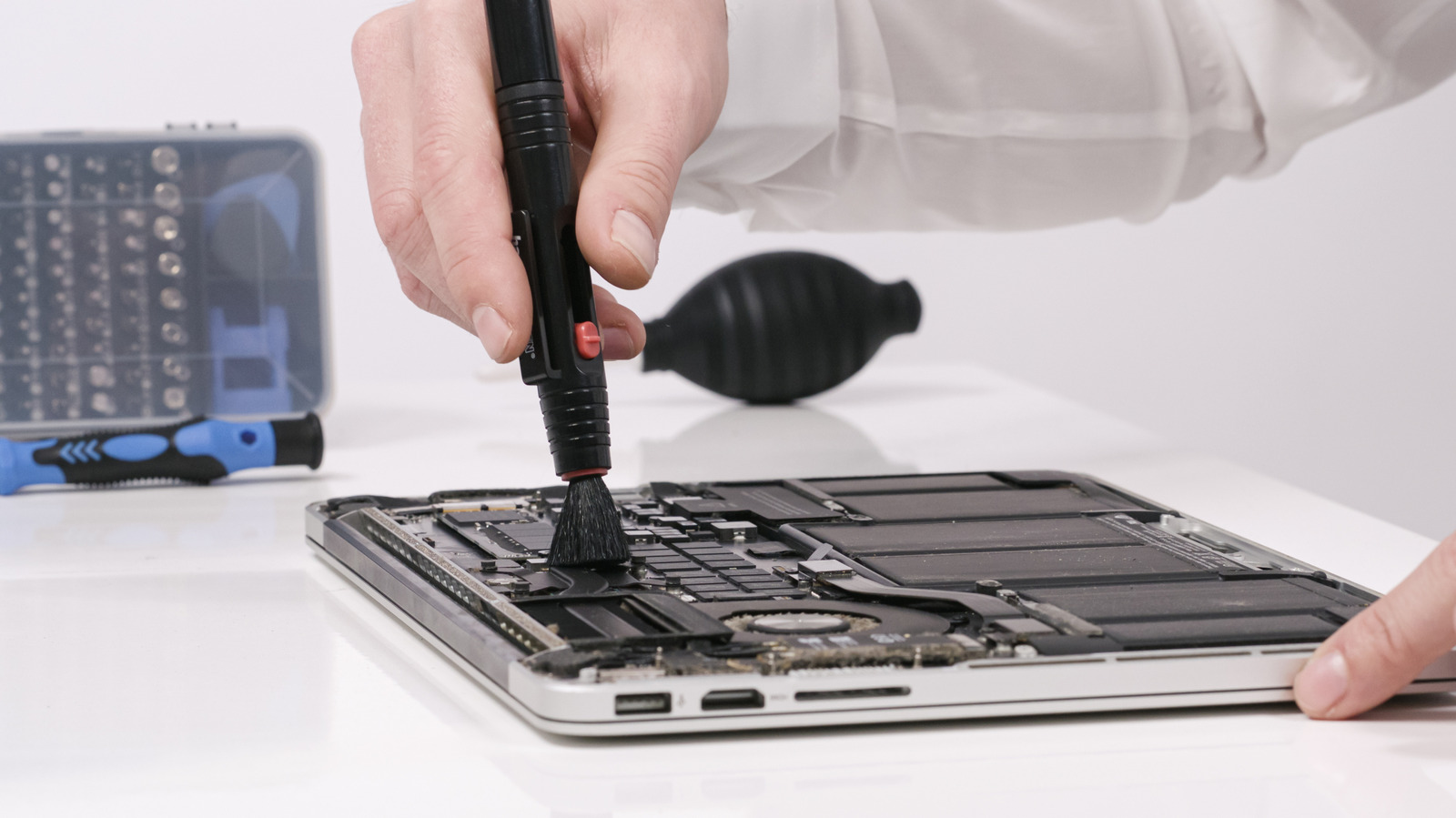
Buying refurbished laptops offers significant savings compared to new models, but requires careful evaluation. Refurbished units can provide better specs than new budget machines at the same price point, though they come with trade-offs like potentially well-used batteries and varying warranty coverage. The standard for refurbishment differs greatly between sellers, with original manufacturer programs generally offering more reliability than unknown online repair shops.
Consumers must understand what "refurbished" means for each seller, as a standard used laptop differs from professionally restored devices involving inspection, cleaning, and testing. Reputable brands like Dell and Apple offer certified programs with defined warranties, while third-party retailers provide varying levels of guarantee. To minimize risk, buyers should seek sellers who clearly explain testing procedures, provide condition grades describing expected wear, and disclose battery health.
Photos of the actual unit and clear return policies are essential, especially when purchasing from less established sources. While refurbished laptops will show some cosmetic wear, major issues like cracked casings or water damage typically indicate poor quality control. The return policy becomes critical if problems arise, making it vital to understand options before purchase.
Ultimately, refurbished tech offers a cost-effective path to higher performance, but due diligence regarding seller transparency and device condition remains essential for a satisfactory purchase.
Source: Engadget · Summarized by HeadlinesBriefing