
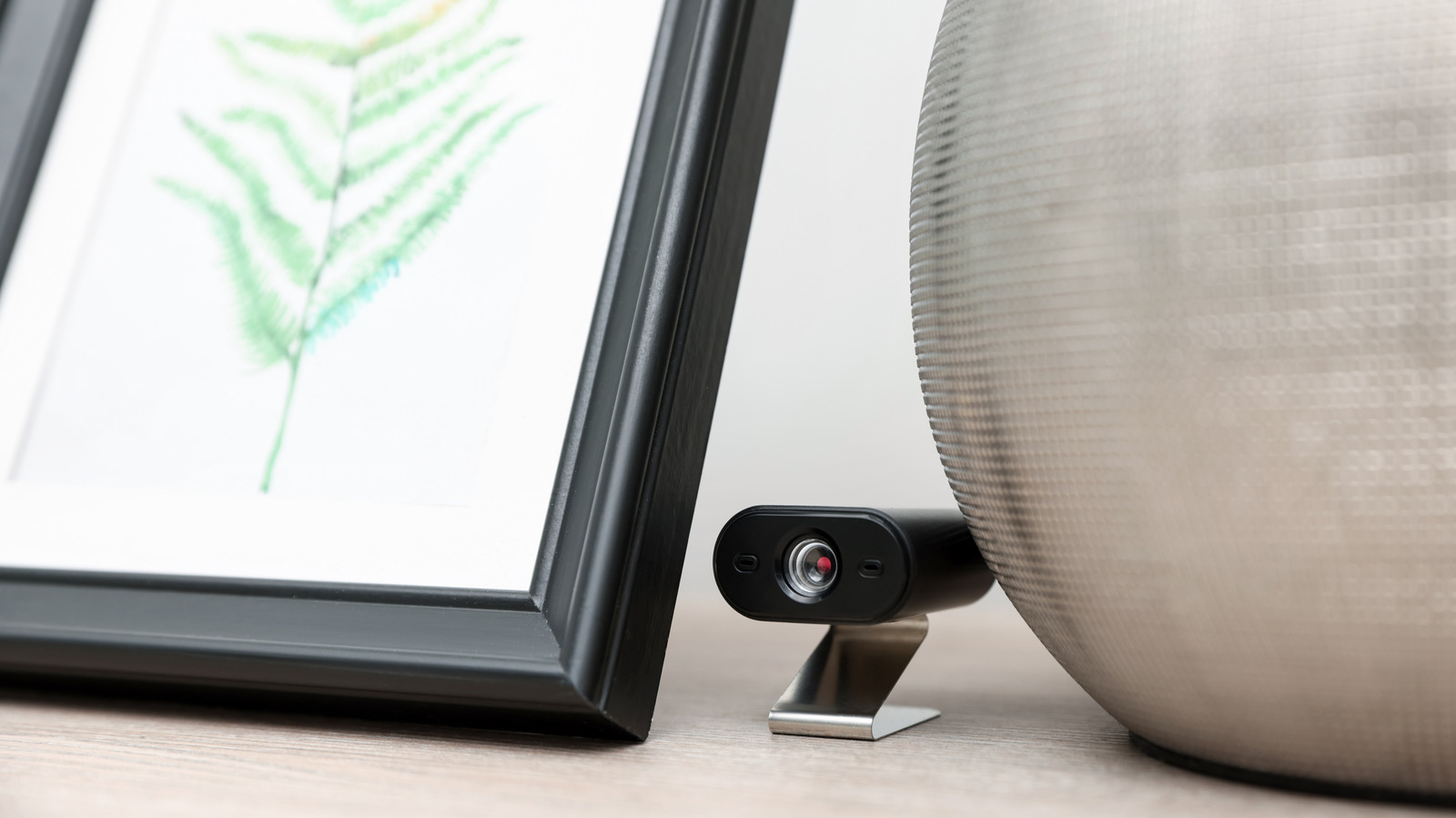
When you feel wary, a quick check might provide some peace of mind. For those of us who travel often, staying in a new location carries an unsettling risk: Airbnbs, hotels and other lodgings may have hidden cameras to spy on visitors. Short-term and privately owned rentals are of particular concern.
While the full scale of the issue is unknown, a 2024 report from CNN found that Airbnb processed 35,000 support tickets related to "surveillance devices" in the preceding decade. While doorbell and outdoor security cameras have become increasingly common and are permitted under Airbnb rules, any indoor recording devices are banned from properties hosted on the platform. The problem remains relatively uncommon.
Airbnb said at the time of the CNN report that less than 0.1 percent of its properties were hit with safety complaints, including those related to security cameras. However, 51 percent of visitors said they don't trust short-term rentals, and such fears are not unfounded. Cameras are increasingly difficult to spot, often disguised as common home items like smoke detectors, chargers or picture frames.
So it can sometimes be worth a check to ensure there are no surveillance devices in your lodging to ease your mind. But how do you find hidden cameras? Can a cell phone detect a hidden camera? Your cell phone is a great tool to check for hidden cameras. Start with a simple flashlight sweep: close the curtains, turn off the lights, and then sweep the unit with a flashlight to check for any glimmering signs of electronics — the shine of a lens, or an LED light.
Common places to hide cameras include smoke detectors, air purifiers, televisions, shower heads, or lights. Be particularly careful to check sensitive locations like near the bed or the shower. Mirrors are also important to check.
If you shine a flashlight at a mirror, it should bounce back rather than passing through like a window. You can also put a finger directly onto a mirror. A real mirror will have a space between your finger and its reflection, while a two-way mirror will make it appear as though they are directly touching.
You can also use your phone camera to check for night-vision cameras in the room. These cameras emit infrared light, which on your camera app should appear as purple or white dots. To verify your phone can detect infrared light, point it at a TV remote control, push the buttons, and see if light coming from the remote can be detected.
It is more likely your front-facing, or selfie camera, has this ability, but try using both to take a look. Once confirmed, you can scan the room with your phone to find IR emissions. Many hidden cameras stream over Wi-Fi, and some mobile apps allow you to scan the network for unfamiliar devices.
Options include Fing, Net Analyzer and Wi Fiman. Download a scanner app, connect to the Wi-Fi and search for names that you don't recognize — which will often include "cam" or "camera" to denote a recording device. Other names may map to common camera brands, like Wyze, Blink or TP-Link.
Apps like Fing will show MAC addresses and device types, allowing you to further investigate names that show up in a scan. This is not always a straightforward method, however. Many cameras record to local memory cards, which means they won't show up on any kind of scan.
Still, pairing this method with the flashlight sweep and the infrared light ch.
Source: Engadget · Summarized by HeadlinesBriefing