
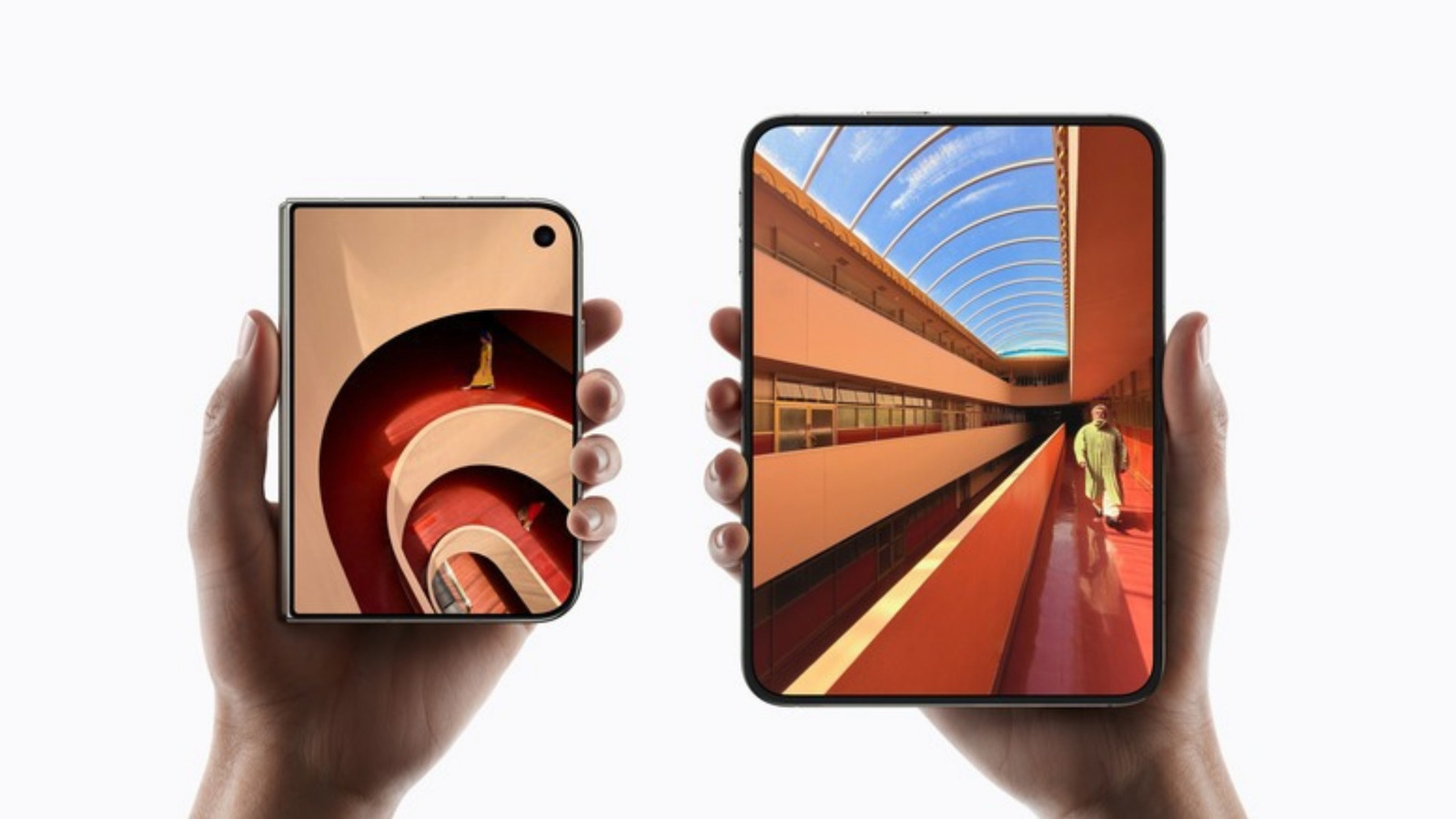
Are foldables finally ready to go mainstream? Apple's entry with the iPhone Duo has everyone talking, but the journey from early stumbles to today's polished devices tells a story of persistence and innovation. The first meaningful strides came in 2019 when Royole unveiled the Flex Pai at CES, branding it the world's first commercially available foldable smartphone. Despite its technological feat, Engadget found it "rough around the edges" and "janky." Later that year, Samsung's Galaxy Fold faced a rocky launch with broken screens and a recall, revealing the importance of perfecting the crease, hinge durability and screen resistance. Huawei's Mate X offered an elegant outward-fold design but suffered from scratch-prone screens and U.S. sanctions. Between 2020 and 2025, Android manufacturers like Google and Samsung pushed forward with models such as the Pixel 11 Pro Fold and Galaxy Z Fold 8, each bringing significant advances. Today, the moment when a phone unfolds and the screen adjusts remains as awe-inspiring as ever, and with Apple's iPhone Duo entering the market, the future uptake of foldable phones looks almost certain.
The long list of breakthroughs and failures that came before Apple's entry cannot be overlooked. Each early misstep taught valuable lessons about materials, design and user experience. Royole's Flex Pai proved flexible OLED could ship in a real product, while Samsung's Galaxy Fold delay highlighted manufacturing challenges. Huawei's Mate X demonstrated alternative form factors, even if they didn't catch on. These pioneers laid the groundwork for the refined devices we see today.
Now, after getting hands-on with newer models, the author is very impressed by how far foldable technology has come. The Samsung Galaxy Z Fold 8 and Google Pixel 11 Pro Fold represent the latest advances, while Apple's iPhone Duo signals mainstream adoption. What was once a niche curiosity is now poised to become a standard choice for consumers.
Source: Engadget · Summarized by HeadlinesBriefing