
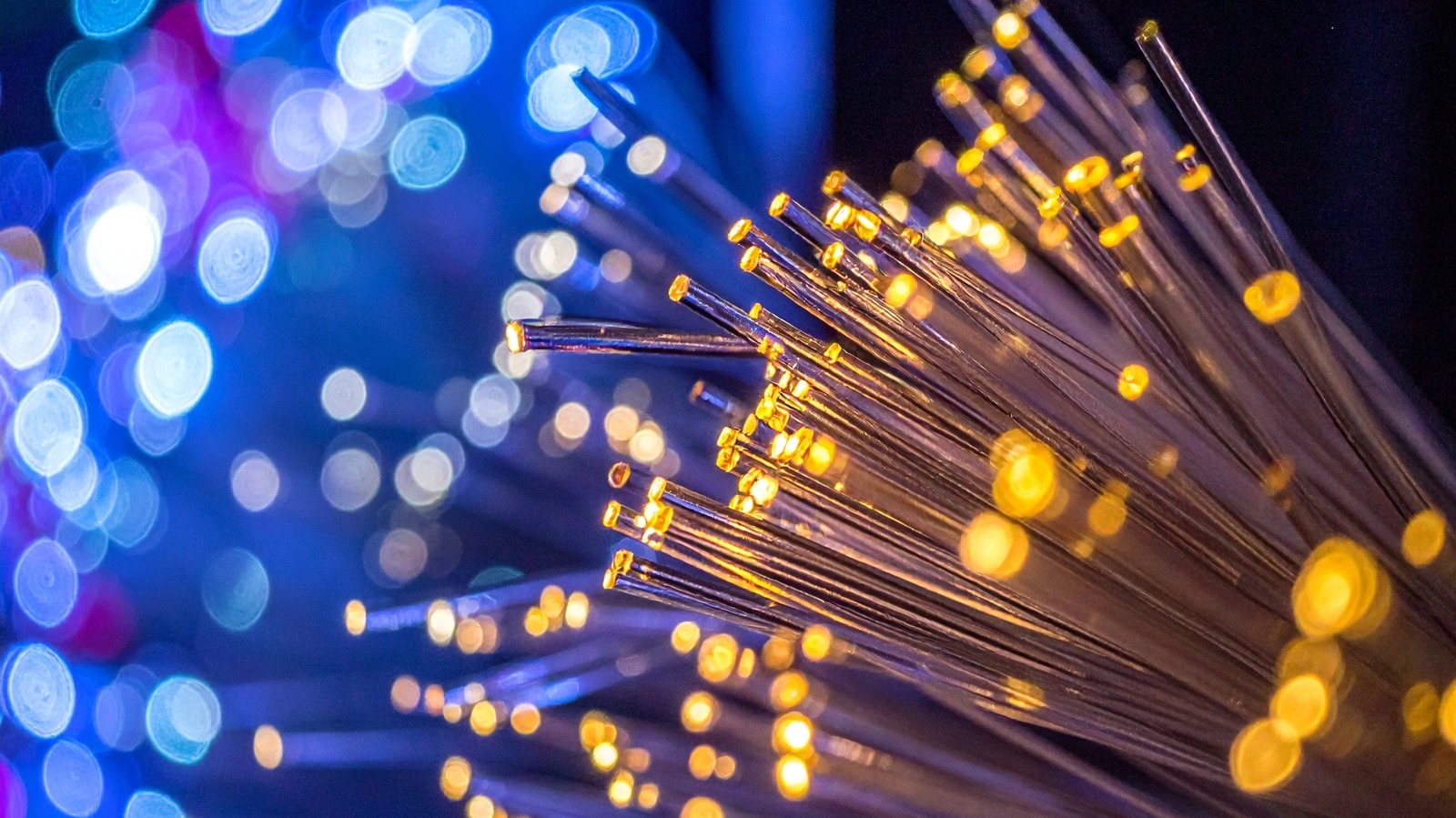
Fiber and cable internet both meet modern connectivity needs, but availability and price determine which is the better option. Fiber-optic connections transmit data as light through thin strands of glass, offering much faster speeds, greater bandwidth and better reliability than cable. Cable sends data through electricity through a copper core, making it more vulnerable to interference from extreme weather or moisture.
Fiber typically starts around 100 Mbps, with entry-level plans more commonly offering 300 or 500 Mbps. Ziply Fiber offers plans from 2 Gbps to 50 Gbps. Fiber is also symmetrical, so upload and download speeds are equal, a major advantage for video uploads, live streaming and file syncing. Cable networks share bandwidth with neighboring households, which can reduce evening speeds during peak usage.
The Fiber Broadband Association found that over 60 percent of American households had access to fiber as of September 2025. Google Fiber charges $70/month for 1 Gbps, while Xfinity offers 1 Gbps down for $70/month, with cable plans also requiring a modem or gateway.
Source: Engadget · Summarized by HeadlinesBriefing