
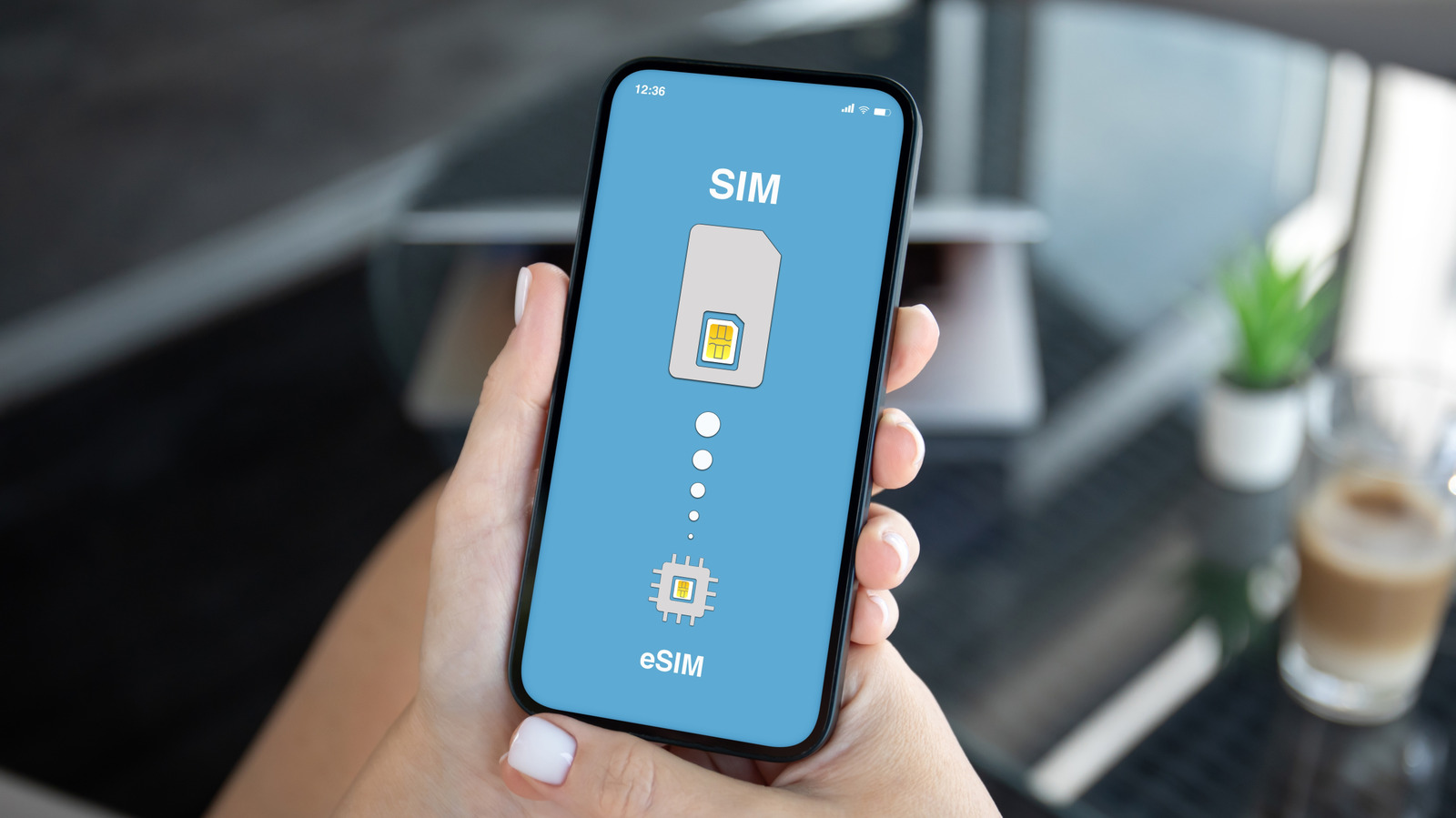
The conveniences of an eSIM come with a few strings attached. First, there is no quality difference between using an eSIM or physical SIM card — both identify your subscription to a mobile network and feature the same reception and data speed. The primary advantage of an eSIM is that it's flexible and convenient. You don't have to open a side tray or transfer the SIM when you purchase a new phone; instead, you can simply activate a supported plan via an app, QR code, or the phone's settings.
On compatible devices, you can store multiple profiles, making it easier to separate work and personal numbers without carrying spare SIM cards. If you spend a lot of time on the road, you can purchase a travel eSIM ahead of time instead of finding a retailer once you reach your destination. Depending on your plan, that could save you money instead of roaming with your home carrier. You can also keep the travel plan dormant until your next trip, compared to losing the SIM card at home.
However, an eSIM is not a guarantee of a better deal. Some domestic plans already include international roaming, so switching is mostly a waste of time. The biggest disadvantage of an eSIM is compatibility and transferring service. Both the phone and carrier must support eSIM, and support may vary by model and market. An eSIM also can't bypass a carrier lock, so your phone generally needs to be unlocked. Some carriers make moving service more complicated than it needs to be, requiring carrier apps, replacement QR codes, or customer service assistance.
For some, the primary objection is losing the fallback simplicity of a physical SIM. Popping the tray open and physically switching a card is pretty easy, though some carriers require in-app QR codes or switches, which can be a pain.
Source: Engadget · Summarized by HeadlinesBriefing