
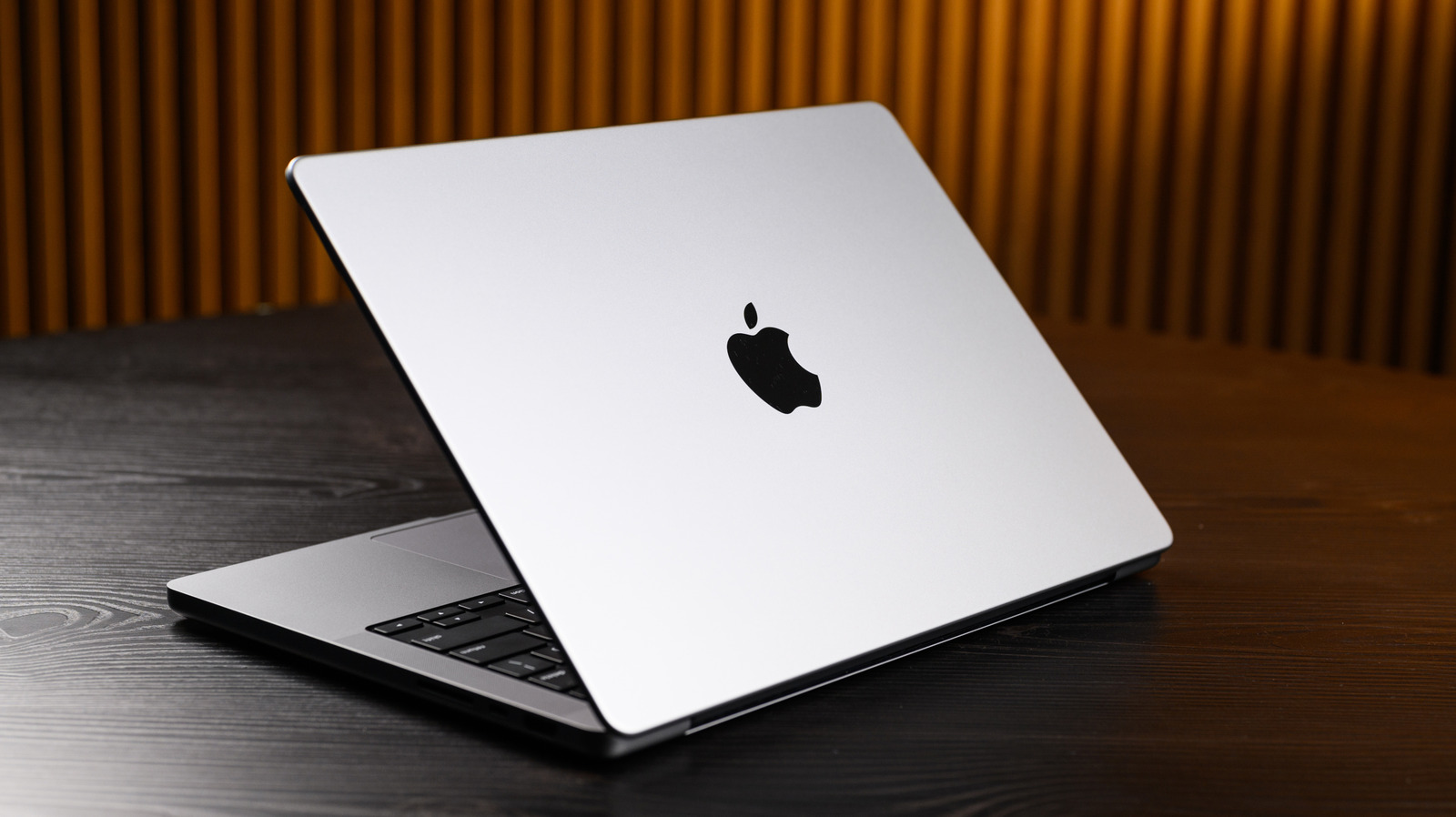
The dream of a truly portable Mac is almost as old as the Macintosh itself. Five years after the original Macintosh debuted in 1984, Apple launched the disastrously expensive, 16-pound Macintosh Portable. It failed quickly, but out of its ashes came the PowerBook 100 in 1991, followed by the more refined PowerBook 500 and PowerBook G3 in 1994. Apple finally struck mainstream consumer gold with the colorful iBook G3 in 1999, featuring a small handle and an adorably rounded case.
The iBook wasn't exactly fast, but it signaled that Apple was aiming to make computers that appeal to the masses. The PowerBook G4 followed, with its sleek titanium case and Mac OS X, which seemed lightyears beyond Windows XP. Then Apple announced the first MacBook Pro in 2006, improving on the PowerBook G4 in every way, and the computing world hasn't been the same since.
PC makers rushed to copy the MacBook Pro's sleek unibody design, and the MacBook Air spurred the creation of ultraportable laptops. Apple has had its missteps, such as the first MacBook Air being far too slow and the later removal of crucial ports from the MacBook Pro, but even those served as learning lessons for the PC industry.
In 2006, Apple's switch to Intel CPUs made the first MacBook Pro and MacBook pretty intriguing systems. They showed that Apple was now directly competing with PCs using the same Intel Core Duo chips. In 2008, Apple debuted unibody MacBook Pro and MacBook Air models carved from a single block of aluminum. These cases were stronger, lighter and more attractive than anything on mainstream laptops at the time. Razer eventually came close with its 2011 Blade, and Dell and HP followed with designs of their own. No matter what you think of Apple, there's no doubt that MacBooks have been the defining laptops of the last two decades.
Source: Engadget · Summarized by HeadlinesBriefing