
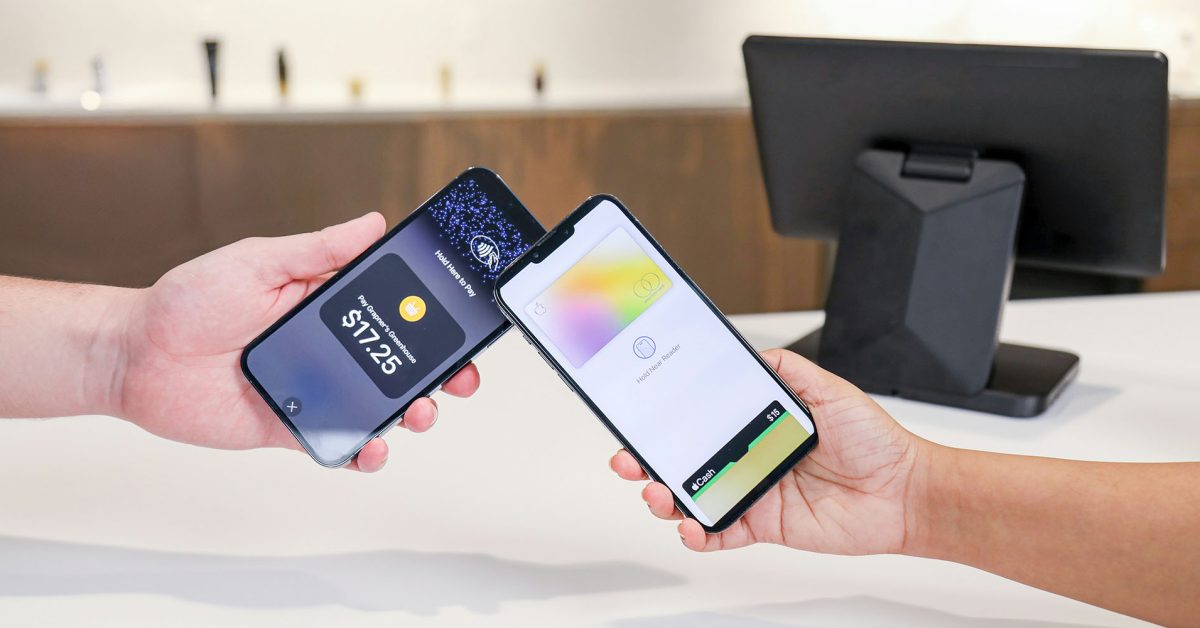
Apple still makes it too hard for third-party developers to launch alternatives to Apple Pay, despite loosening its grip on access to the NFC chip embedded in iPhones. That is the claim made by the UK's antitrust watchdog, the Competition and Markets Authority (CMA), which says developers have reported that the compromise terms offered by Apple still do not make it practical to build Apple Pay competitors.
When Apple first began embedding an NFC chip in iPhones to enable contactless payment, only the Apple Wallet app could use it for card payments. Third-party apps could use the chip for other purposes, but not for payments. That led to antitrust action in several countries, and Apple has been forced to unlock access to the chip in a number of them, most notably in the EU.
In EU countries, developers can request an entitlement by proving they meet industry standards and hold the licenses needed to process consumer payments. No fees are payable, and users can choose their default wallet app. In the UK, however, the CMA told Reuters that Apple has not offered developers the same terms. CMA Chief Executive Sarah Cardell said, "We have heard that high fees, strict terms, and technical restrictions relating to Apple's contactless technology make it too difficult for challengers to innovate and compete."
The regulator has opened a public consultation on its proposal to loosen Apple's control over the contactless payment chip. Apple has rejected the proposal, saying it does not believe the CMA should require an approach with lower privacy and security protections, but that it will continue to engage constructively with the regulator.
In 9to5Mac's view, Apple is likely to lose these battles, much as it has with third-party app stores. The commercial risk to Apple appears limited, since most iPhone owners are unlikely to change their default wallet app when given the choice.
Source: 9to5Mac · Summarized by HeadlinesBriefing