
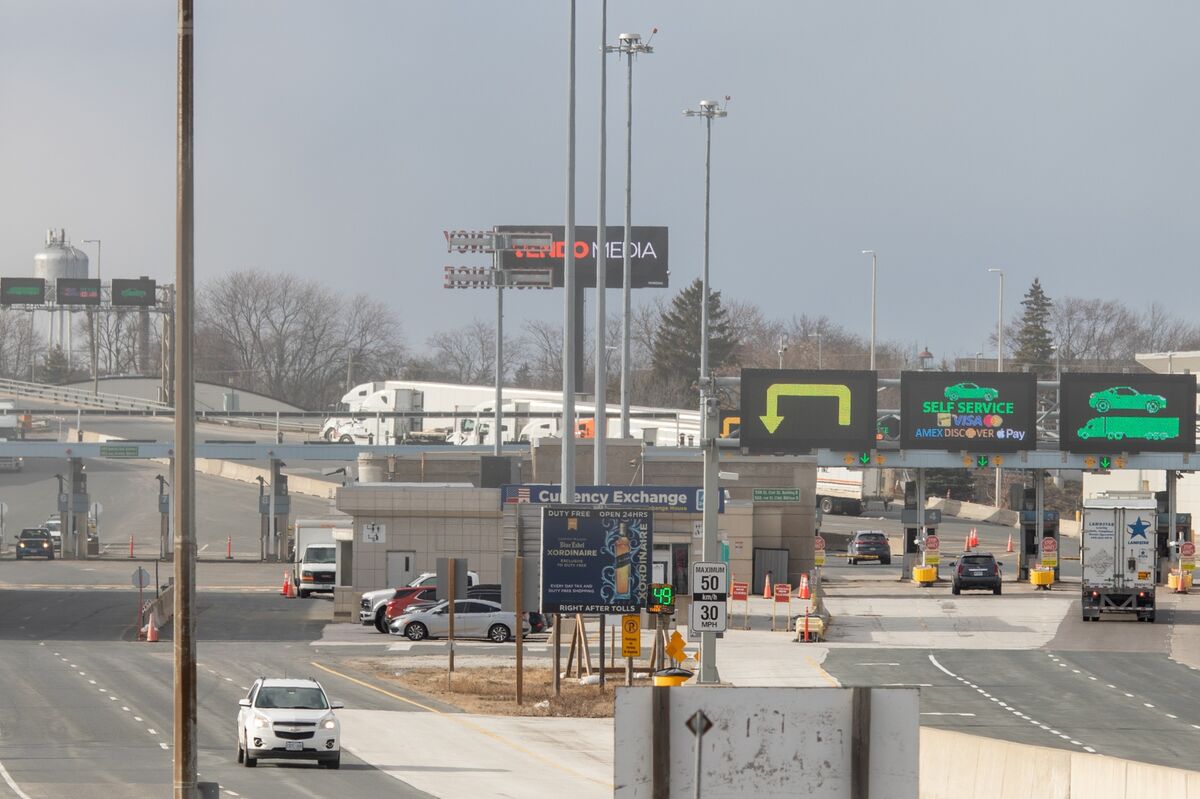
USMCA negotiations will proceed virtually on July 1, a date originally set for the pact’s potential extension, as Mexican officials aim to maintain optimism despite Donald Trump’s recent doubts. The Mexican minister leading talks emphasized the session’s virtual format as a pragmatic step, though Trump’s mixed signals have cast uncertainty over the deal’s future. This shift follows years of contentious renegotiations, with businesses relying on the agreement for cross-border trade. While Mexico seeks to finalize terms, Trump’s reluctance to endorse the pact risks derailing progress, particularly as key industries weigh their exposure to the agreement’s stability.
The virtual format reflects logistical challenges but also underscores the fragility of the North American free trade pact. Trump’s vocal opposition—citing concerns over job losses and regulatory alignment—has intensified pressure on U.S. negotiators to secure concessions. Analysts note that a delayed or failed extension could disrupt supply chains, particularly in automotive and manufacturing sectors dependent on seamless cross-border operations. Mexico’s push for a deal by the July 1 deadline highlights the economic stakes, with businesses on both sides of the border monitoring developments closely. The outcome could reshape trade policies in a region where $1.5 trillion in annual trade flows hinge on the pact’s terms.
For investors, the uncertainty surrounding USMCA poses direct risks. A collapse or renegotiation could trigger market volatility, especially in stocks tied to North American supply chains. Companies like Tesla and Ford, which rely heavily on the agreement for parts sourcing, face heightened exposure. Meanwhile, the virtual nature of talks may slow momentum, as in-person negotiations often foster quicker consensus. With Trump’s influence still a wildcard, businesses are urged to assess contingency plans. The July 1 session marks a critical juncture: a successful extension would stabilize markets, while a breakdown could accelerate shifts toward bilateral trade deals, altering the economic landscape for years.
Source: Bloomberg Markets · Summarized by HeadlinesBriefing