
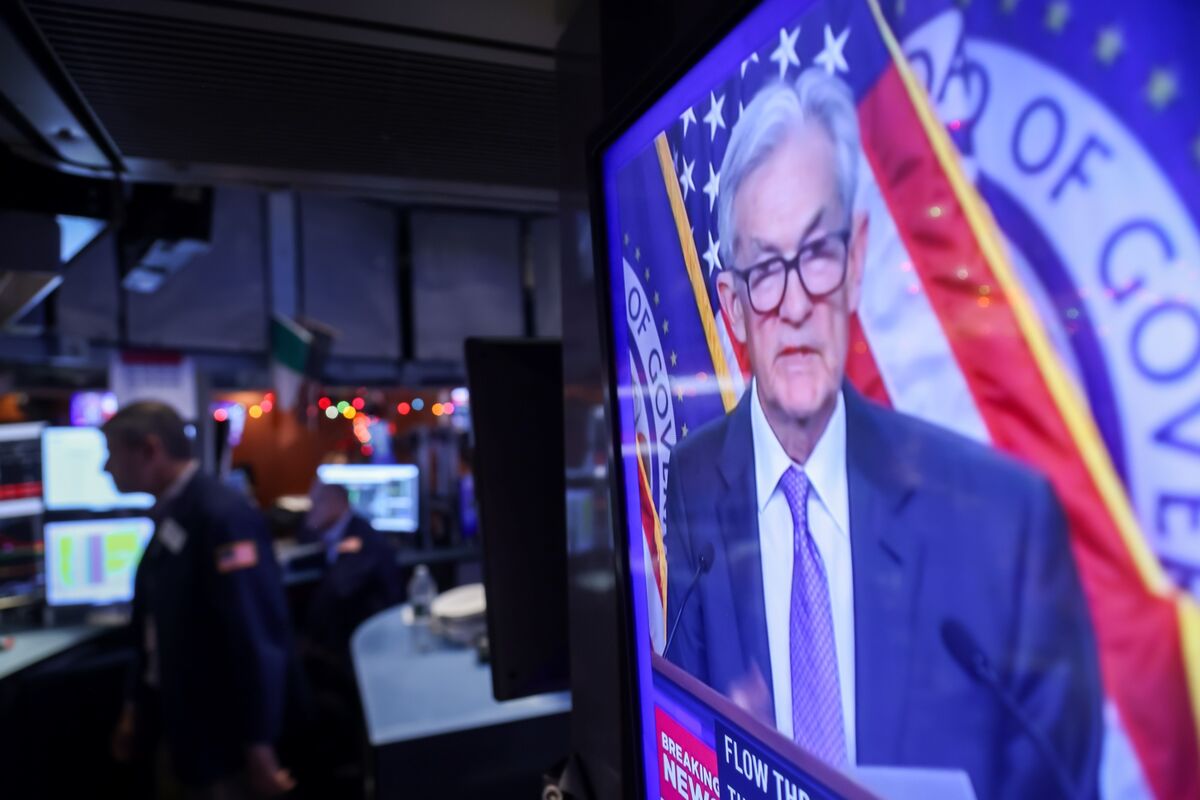
US stocks experienced a notable decline on Monday as the Trump administration intensified its criticism of the Federal Reserve, reigniting fears about the central bank's autonomy. This development brought the “sell America” trade back into focus, highlighting the market's sensitivity to political interference. The Trump administration's attacks on the Federal Reserve have raised concerns among investors about the potential for political pressure to influence monetary policy, which is crucial for maintaining market stability.
This situation underscores the delicate balance between political influence and the Federal Reserve's independence, a cornerstone of economic policy. Investors are closely monitoring these developments, as any erosion of the Federal Reserve's autonomy could lead to increased market volatility and uncertainty. The implications of these attacks extend beyond the immediate market reaction, potentially affecting long-term investor confidence and economic growth.
Market participants, including institutional investors and individual traders, are particularly affected, as they rely on the Federal Reserve's decisions for guidance on interest rates and economic policy. The situation underscores the importance of maintaining the Federal Reserve's independence to ensure stable and predictable economic conditions. The decline in US stocks is a clear signal of the market's reaction to the Trump administration's actions, highlighting the interconnectedness of politics and finance.
As the Federal Reserve faces increased scrutiny, its ability to act independently and effectively becomes a critical factor in shaping future market trends. This situation calls for a careful evaluation of the Federal Reserve's role and the potential impact of political interference on its decision-making processes. Investors and policymakers alike are watching these developments closely, as they could set a precedent for future interactions between political leadership and central bank autonomy.
Source: Bloomberg Markets · Summarized by HeadlinesBriefing