
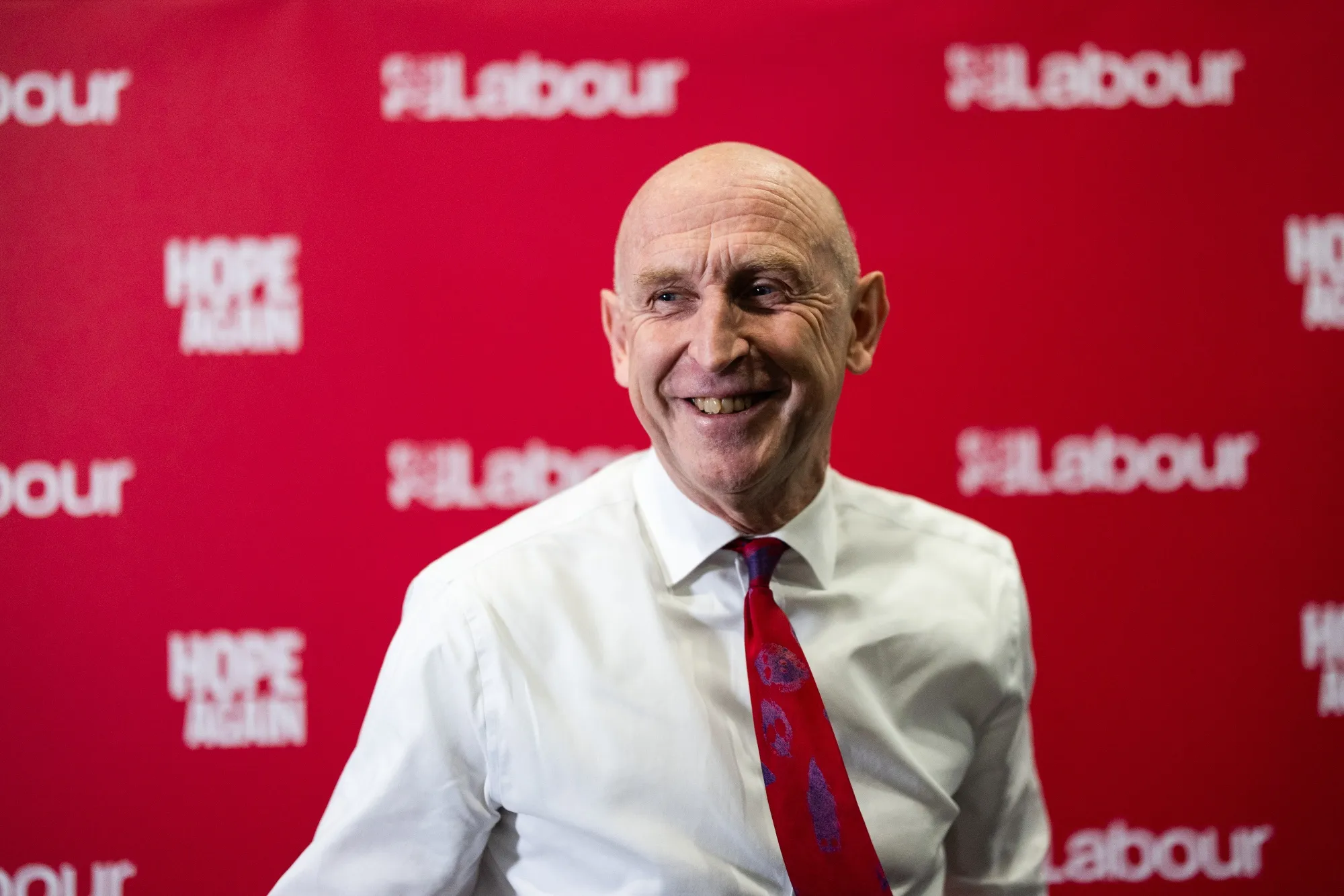
Chancellor John Healey is planning short-term cost-of-living measures ahead of the Oct. 28 budget, including expanded energy support and a potential temporary VAT cut on petrol, to ease voter pressure without breaking fiscal rules. These giveaways are designed to expire before 2029-30, when Labour’s main fiscal rule requires day-to-day spending to be covered by tax receipts. The measures aim to avoid permanent tax hikes or spending cuts, relying instead on temporary borrowing, which is permissible under the UK’s secondary fiscal rule requiring debt to fall as a share of GDP by 2029-30.
Healey’s strategy hinges on the hope that the US-Iran war ends soon, reducing energy costs and improving the fiscal outlook. A global rise in borrowing costs from the conflict has already halved the £23.6 billion headroom against Labour’s fiscal rule. Support may include extending the warm homes discount and freezing fuel duty.
Healey and Prime Minister Andy Burnham both favour time-limited relief, with Burnham having already introduced a six-month VAT cut on household electricity. The Treasury is considering a windfall levy on banks and oil and gas firms to fund the measures, though borrowing remains a viable option. Economists note that temporary support through borrowing aligns with fiscal rules if the debt burden declines by 2029-30.
Healey avoids committing to long-term fiscal changes, betting on an improving economic picture post-2027 if Middle East tensions ease.
Source: Bloomberg Markets · Summarized by HeadlinesBriefing