
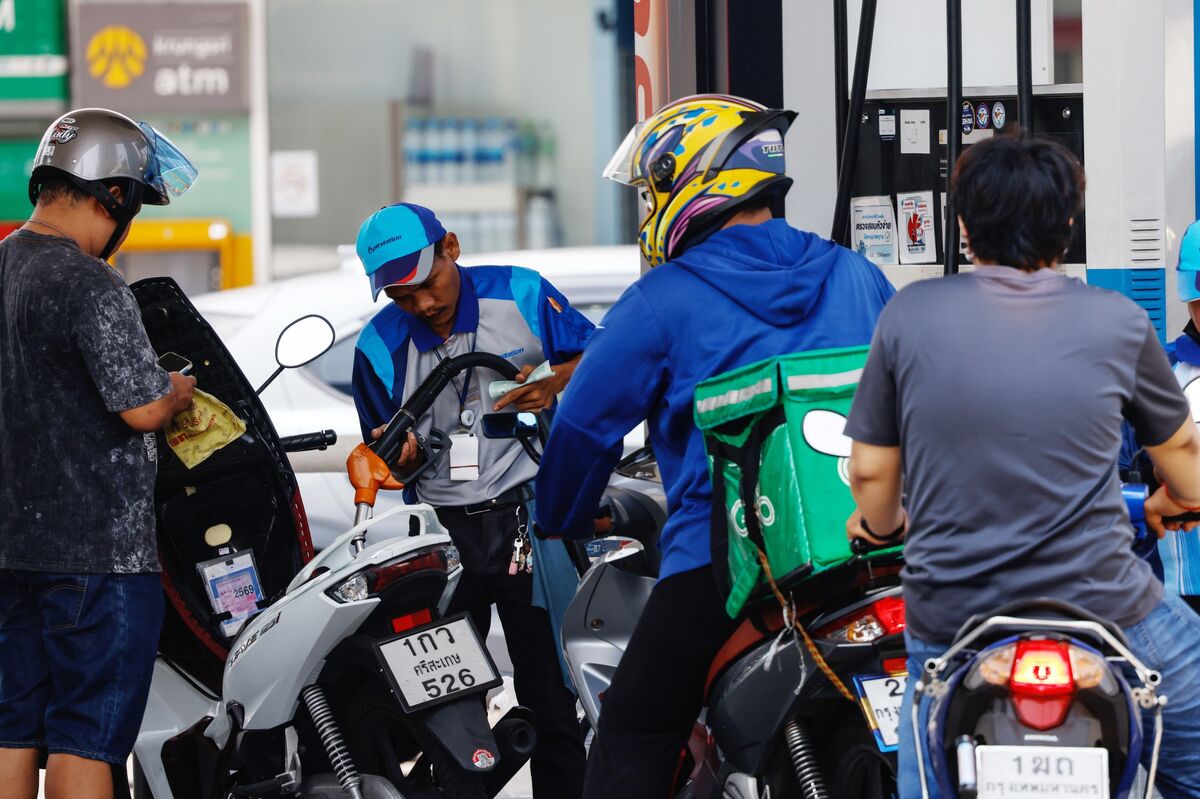
Bank of Thailand left its benchmark interest rate at a four-year low, prioritizing economic stability over inflation concerns amid global oil market turmoil. The central bank’s decision reflects the Iran conflict’s strain on regional economies, with oil price volatility directly impacting Thailand’s export-driven sectors. By holding rates steady, officials aim to cushion businesses from energy-driven cost hikes while monitoring inflation risks. This strategy underscores a delicate balance between sustaining growth and preventing price surges, particularly as the oil shock disrupts global supply chains.
The central bank emphasized that the war in Iran has exacerbated uncertainty, diverting focus from long-term monetary policy goals. Thailand’s economy, heavily reliant on oil imports and energy-intensive industries, faces dual pressures: surging fuel costs and reduced foreign demand. The interest rate freeze signals confidence in the economy’s resilience but also acknowledges the immediate need to support vulnerable sectors like manufacturing and tourism. Analysts note this approach risks delayed inflationary pressures if oil prices remain elevated.
Market implications are significant, as stable rates may deter foreign investment in Thailand’s bonds, which typically offer higher yields. However, the Bank of Thailand argues that premature rate hikes could stifle recovery efforts. Businesses dependent on imported raw materials face tighter profit margins, yet the central bank’s cautious stance suggests a preference for gradual adjustments. This policy could influence regional peers grappling with similar energy shocks, setting a precedent for inflation management in emerging markets.
The decision highlights geopolitical risks reshaping monetary policy priorities. With oil prices surging over $80 per barrel due to Middle East tensions, Thailand’s leadership in maintaining low rates positions it as a stabilizer in Southeast Asia. However, the lack of rate flexibility may backfire if inflation accelerates. For now, the Bank of Thailand remains committed to its dual mandate, weighing short-term economic survival against long-term financial health.
Source: Bloomberg Markets · Summarized by HeadlinesBriefing