
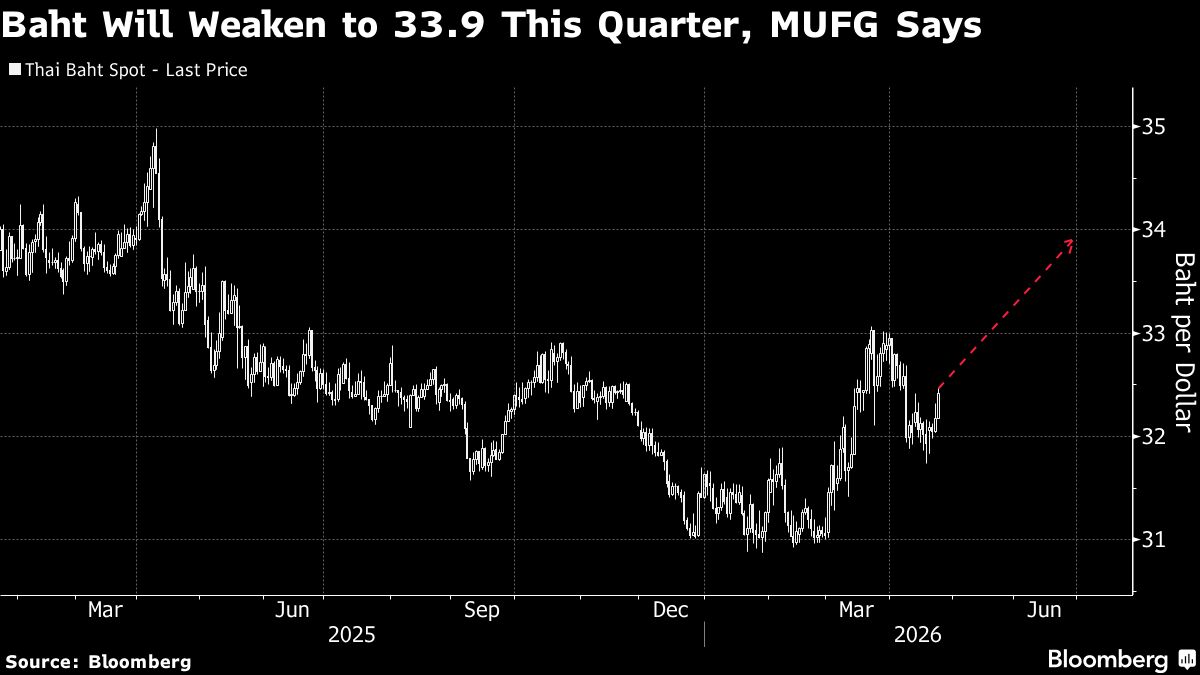
Thai baht has slumped to one of Asia’s worst performers since the onset of the Iran war, according to market observers. Currency traders now fear further erosion as the conflict pushes global oil prices higher. The Thai currency’s weakness has already dented export‑heavy sectors, tightening fiscal expectations for the Bank of Thailand into 2025 ahead.
Strategists warn that the oil‑price surge tightens the Thai central bank’s policy leeway. Higher imports and lower domestic demand could force a steeper interest‑rate hike to curb inflation. Investors now weigh the risk of a further depreciation against the likelihood of a tightening cycle that may curtail liquidity in local markets for short term traders.
Exchange rates in Bangkok have already slipped by more than 5% against the US dollar, signalling a sharp decline in investor confidence. The Thai government’s fiscal stimulus, aimed at supporting growth, faces mounting doubts as higher borrowing costs may erode the creditworthiness of state‑backed projects for long term investors and policy makers seeking stability amid volatility.
With oil prices poised to rise further, the baht’s trajectory will hinge on geopolitical developments and the central bank’s response. Market participants must decide whether to accept a deeper currency slide or push for tighter monetary conditions. The current scenario underscores the delicate balance between external shocks and domestic policy for economic stability in the region.
Source: Bloomberg Markets · Summarized by HeadlinesBriefing