
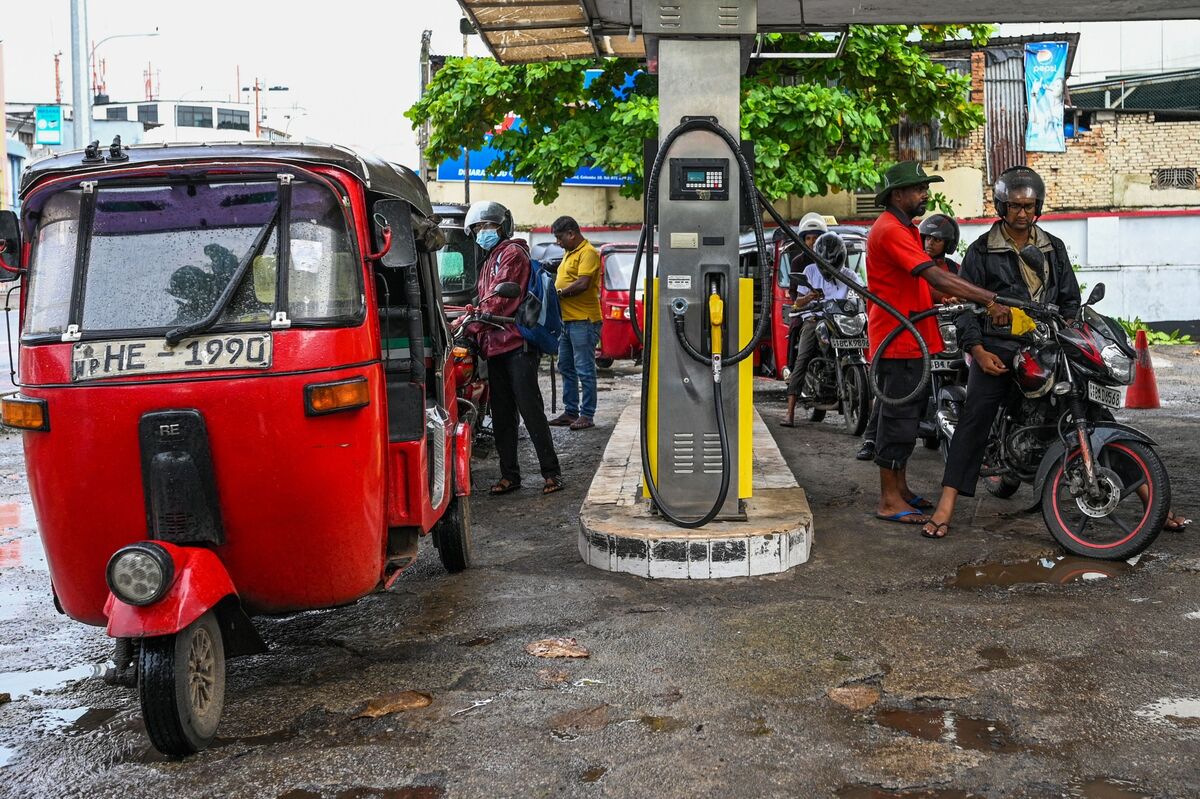
Ceylon Petroleum Corp. is negotiating with Russian energy firms to secure petroleum supplies as escalating tensions in the Middle East disrupt conventional shipping routes. The state-owned entity aims to mitigate rising costs and potential shortages exacerbated by geopolitical instability. While specific deal parameters remain undisclosed, the move underscores Sri Lanka’s pivot toward alternative suppliers amid volatile global markets.
The Russia-Ukraine conflict has intensified energy market uncertainty, with Western sanctions on Moscow and Houthi attacks in the Red Sea complicating logistics. Sri Lanka, a key South Asian oil importer, faces mounting pressure to stabilize fuel prices for domestic consumers and industries reliant on consistent energy access. Analysts note this strategy aligns with broader regional trends of diversifying energy partnerships to reduce exposure to Western-dominated supply chains.
This development carries significant implications for global energy dynamics. By engaging Russian exporters, Sri Lanka may inadvertently bolster Moscow’s market resilience despite international isolation. Simultaneously, the move risks intensifying scrutiny from Western partners concerned about economic ties to sanctioned entities. The outcome could reshape regional energy alliances and test the endurance of existing trade frameworks under heightened geopolitical strain.
Ceylon Petroleum Corp.’s negotiations highlight the fragility of energy security in an era of overlapping crises. As Middle East instability persists, nations grappling with supply vulnerabilities are increasingly willing to explore unconventional partnerships. The success of these talks will hinge on technical logistics, pricing negotiations, and the evolving geopolitical calculus surrounding Russian energy exports.
Source: Bloomberg Markets · Summarized by HeadlinesBriefing