
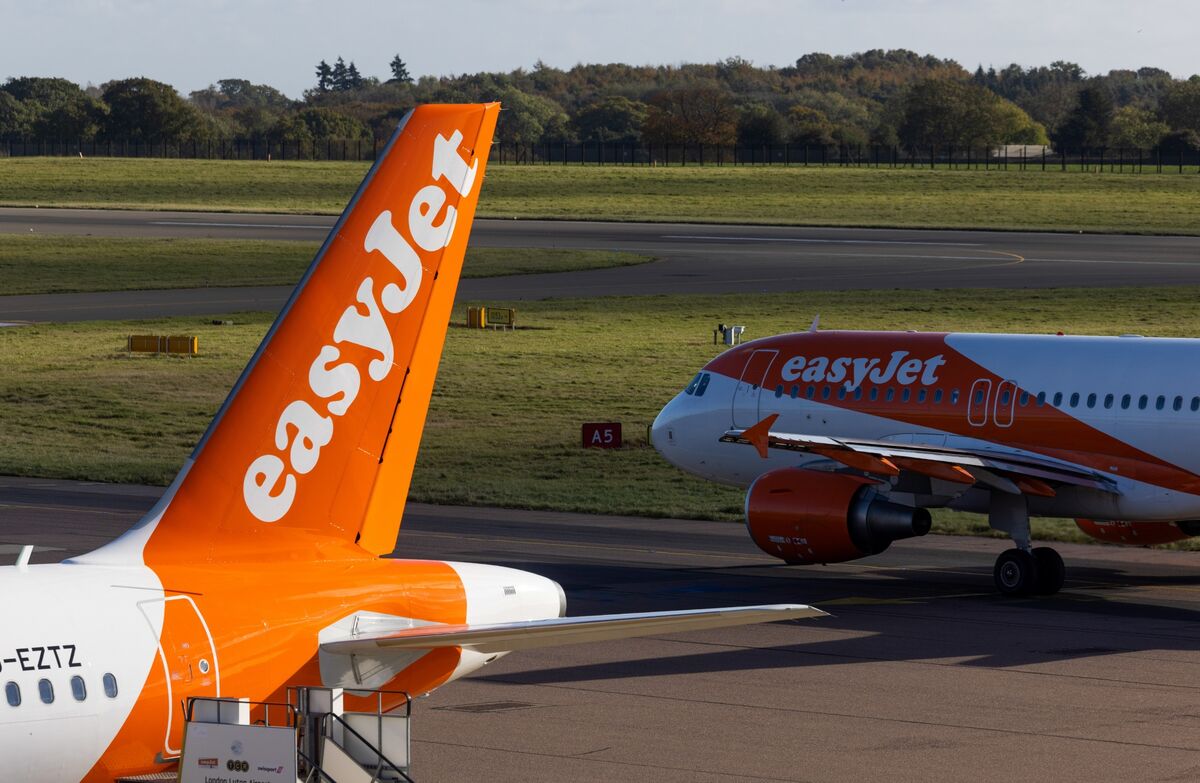
Aviation dealmaking has surged in recent years, yet the contest between two US funds for EasyJet Plc marks a sharp departure from pattern. Private equity typically avoids carriers, deterred by cyclical demand, fuel-price exposure, and wafer-thin margins that leave little room for the leverage-driven returns funds require.
The aviation industry's structural challenges — high fixed costs, regulatory intensity, and sensitivity to macro shocks — have historically made it a graveyard for financial engineering. That two sophisticated buyers are now circling a major European low-cost operator suggests either a reassessment of risk or a bet that post-pandemic consolidation has created durable pricing power.
For EasyJet, the attention validates a recovery narrative but also invites scrutiny of whether its cost base and network can sustain the returns private equity demands. Any deal would likely require heavy structural reform — fleet renegotiation, base closures, or ancillary revenue pushes — that could clash with labor agreements and slot constraints.
The episode signals that private equity may be warming to sectors it once shunned, but the airline model remains a poor fit for standard fund timelines. Investors should watch whether this pursuit materializes into a bid or dissolves under due diligence, as the outcome will test whether airline economics have fundamentally shifted or if capital is simply stretching for yield.
Source: Bloomberg Markets · Summarized by HeadlinesBriefing