
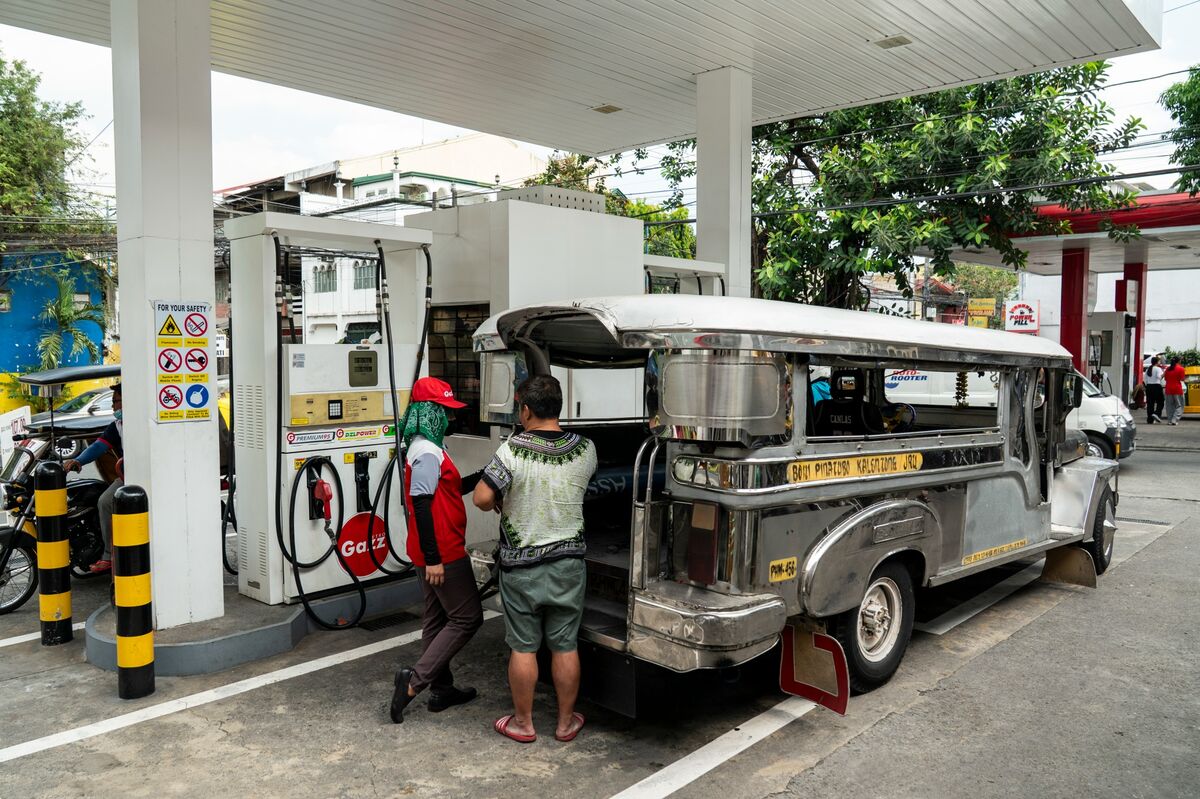
Inflation in the Philippines slipped to 6.8% in May, a sharper slowdown than analysts had forecasted. The drop came as transport costs, which had surged during the Iran war, eased, pulling pressure off the consumer price index. This marks the first quarterly decline in a year.
The Philippine central bank will likely pause rate hikes, seeing the inflation dip as a sign that fuel and logistics prices are stabilizing. Lower transport fares benefit households and businesses alike, reducing input costs across sectors from retail to manufacturing. Investors now view the economy as less exposed to volatile commodity swings.
Market participants note that the easing of transport costs is tied to a rebound in global shipping lanes and a temporary lift in fuel prices after the conflict phase softened. The 6.8% figure sits below the 7.5% year‑on‑year target set by Bangko Sentral ng Pilipinas, giving the central bank breathing room.
For investors, a softer CPI may translate into steadier growth prospects for Philippine equities, particularly in sectors sensitive to cost shocks. The data also signals that the bank’s policy shift could be delayed, keeping borrowing costs low for the medium term. Philippine inflation now appears more controllable than a few months ago.
Source: Bloomberg Markets · Summarized by HeadlinesBriefing