
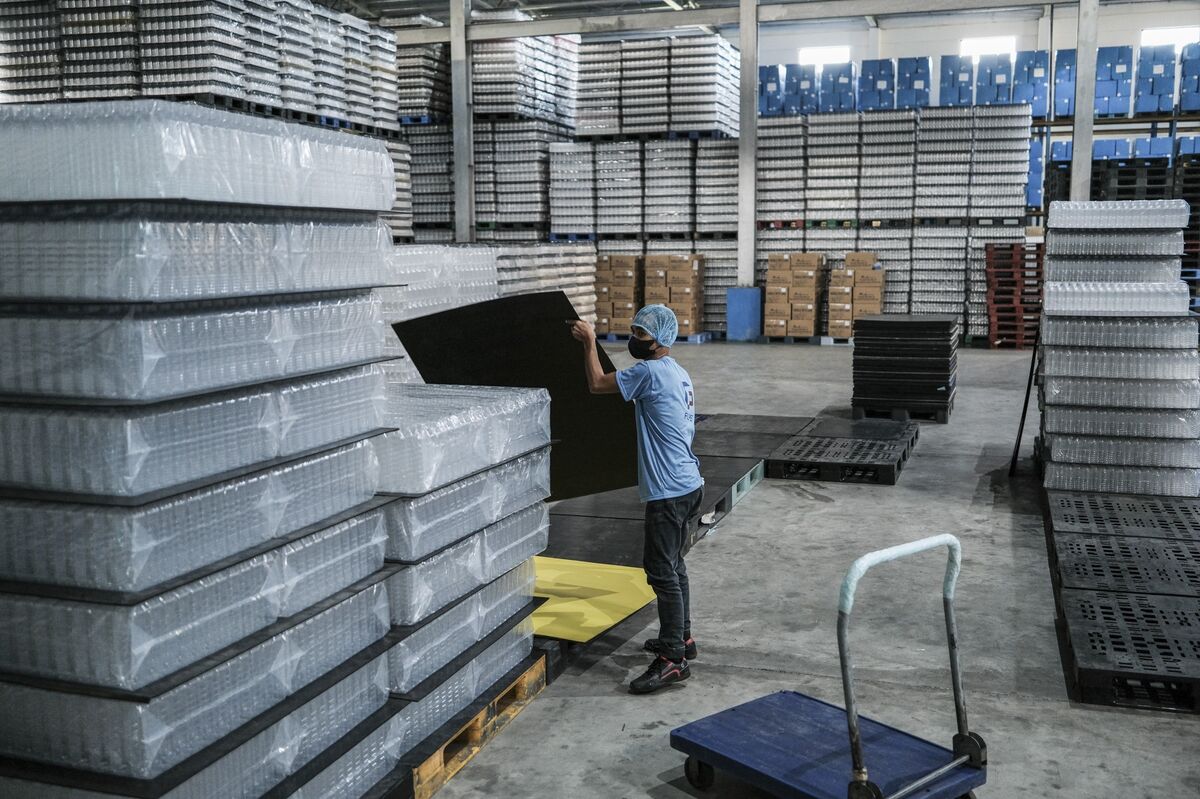
Petrochemicals supply chain disruptions are already causing significant ripple effects across the plastics sector, according to Bloomberg Markets. The crisis, rooted in volatile raw material availability and geopolitical tensions, has forced manufacturers to grapple with soaring production costs and delayed timelines. Plastics producers now face heightened uncertainty as petrochemical feedstock prices surge, squeezing profit margins and threatening downstream industries reliant on polymer supplies.
The disruption stems from intermittent crude oil exports and geopolitical instability in key exporting regions, which have tightened global refining capacity. This has cascaded into plastic resin shortages, particularly for polyethylene and polypropylene—the backbone of packaging, automotive, and construction materials. Companies are reporting production slowdowns and inventory shortages, with some firms pausing expansion projects amid cost overruns.
Investors are reacting sharply, with petrochemical and plastics ETFs experiencing double-digit declines this month. Analysts warn that prolonged disruptions could trigger a $20 billion+ revenue loss for top-tier manufacturers by year-end, as capital-intensive operations struggle to absorb input cost volatility. The sector’s fragility underscores broader economic sensitivities to energy markets.
While no immediate regulatory overhauls are expected, industry groups are urging government intervention to stabilize trade routes and incentivize alternative feedstocks. Meanwhile, businesses are accelerating near-shoring efforts to mitigate risks, though execution remains costly. The current turmoil highlights the plastics industry’s vulnerability to macroeconomic shocks and the urgent need for resilient supply chain strategies.
Source: Bloomberg Markets · Summarized by HeadlinesBriefing