
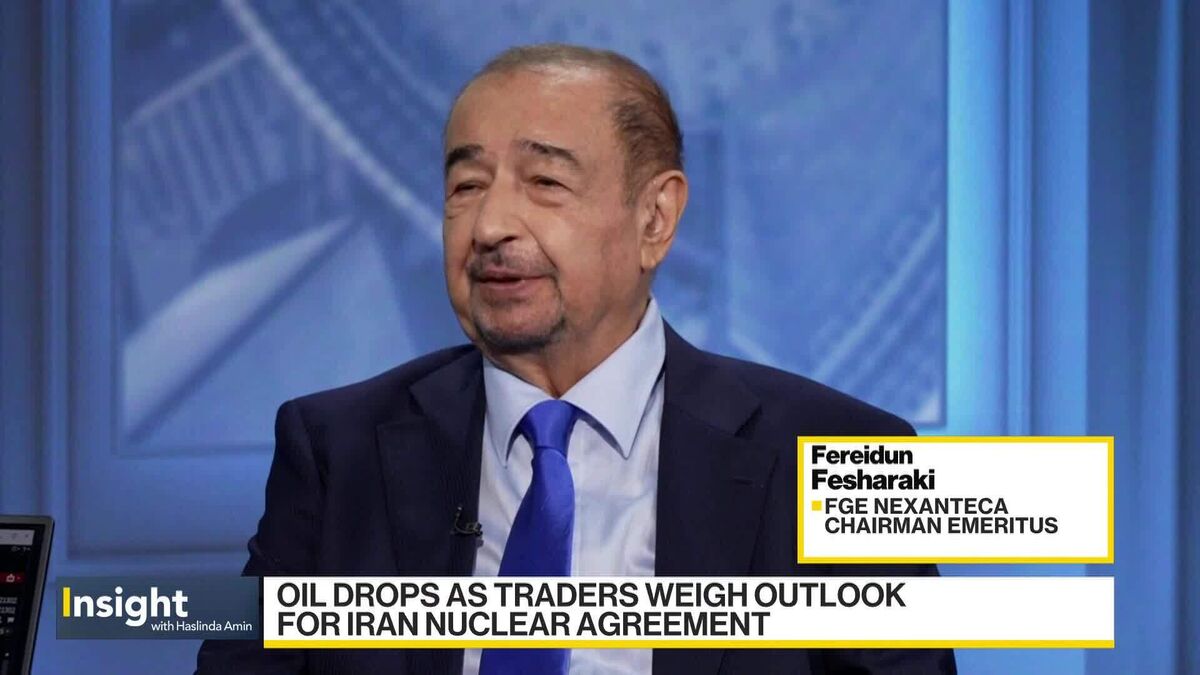
Fereidun Fesharaki, FGE NexantECA Chairman Emeritus, warns that a direct US-Iran conflict could send oil prices soaring to $75-$90 per barrel, citing potential export disruptions from Iranian production. Speaking on Bloomberg Markets, Fesharaki stressed that even partial shutdowns of Iran’s oil infrastructure—responsible for 4% of global supply—could trigger volatility, with prices potentially hitting $70 in near-term scenarios. He framed the analysis within broader geopolitical risks, noting that sanctions and military posturing have already strained market confidence.
The expert tied the forecast to historical precedents, such as the 2019 Strait of Hormuz tensions, which caused a 20% price spike. He emphasized that US-Iran relations remain a wildcard, with OPEC+ spare capacity shrinking to 4.5 million barrels daily, leaving little buffer against supply shocks. Fesharaki urged energy firms to hedge positions amid uncertainty, particularly as geopolitical risks intersect with seasonal demand fluctuations in Asia and Europe.
Market implications extend beyond crude, with refined products like gasoline and jet fuel likely to see cost pressures. Fesharaki highlighted that airlines and petrochemical companies face heightened exposure if prices breach $70, forcing operational adjustments. He also noted that prolonged instability could derail global inflation control efforts, as energy costs feed into broader economic metrics. Analysts tracking the oil market will monitor OPEC+ meetings and US diplomatic moves for early signals.
Fesharaki’s projections hinge on unresolved tensions persisting beyond the current escalation cycle. While he acknowledged that de-escalation could stabilize prices, he cautioned that any physical disruption—such as attacks on tankers or refineries—would validate the $75-$90 range. The analysis underscores the fragility of energy markets in an era of fractured diplomacy, with investors advised to prepare for rapid price swings depending on how swiftly the conflict evolves.
Source: Bloomberg Markets · Summarized by HeadlinesBriefing