
AI Supply Chain Strains May Be the Least of Our Worries Joe Weisenthal and Tracy Alloway What if we can’t pause and catch our breath? Hello and welcome to the newsletter, a grab bag of daily content from the Odd Lots universe. Sometimes it’s us, Joe Weisenthal and Tracy Alloway, bringing you our thoughts on the most recent developments in markets, finance and the economy. And sometimes it’s contributions from our network of expert guests and sources.
Whatever it is, we promise it will always be interesting. If you like chatting with us, check out the Odd Lots Discord, where you can hang out and talk with us and with other listeners 24/7. Supply chain issues dominated the headlines during the Covid years.
But if you look at a chart showing mentions of “supply chain” in news articles now, you’d be forgiven for thinking that all those pandemic-era problems have gone away. However, Neil Dutta at Renaissance Macro is seeing something else: A chart he published today shows that supply chain issues are alive and well. It also shows delivery times across the regional manufacturing surveys (the burgundy line) rising to a post-pandemic record: There are a bunch of different reasons you can come up with to explain this.
The outbreak of the Iran War has thrown global energy supply chains into disarray. Manufacturers, having experienced the post-2020 problems, may still be in the process of retooling their suppliers to make them more resilient. Or perhaps the AI boom means more companies are competing for the same supplies — like transformers.
But the macro implications are more clear, which is why PCE is charted alongside wait times. As Dutta puts it: “When delivery times get longer, suppliers have more difficulty finding the capacity to fill orders. This means that buyers compete for scarce product and when that happens suppliers have little difficulty pushing through price increases because the alternative is not getting products at all.”In other words, a supply chain doesn’t have to make headlines to make things more expensive.
As Tracy mentioned, one reason everything in the economy is tight right now is the AI boom, and the voracious demand for gear and raw materials needed for the data center buildout. As it happens, Bloomberg Intelligence analyst Mandeep Singh is out with a new chart deck (if you have a Terminal, go find it) on the state of the buildout. Here are two charts that stand out to me.
One shows that forecasts keep getting bigger. You can see that BI’s estimate for total installed gigawatts over the coming years has jumped significantly since May. Want a simple reason for why stocks keep going up? It’s this.
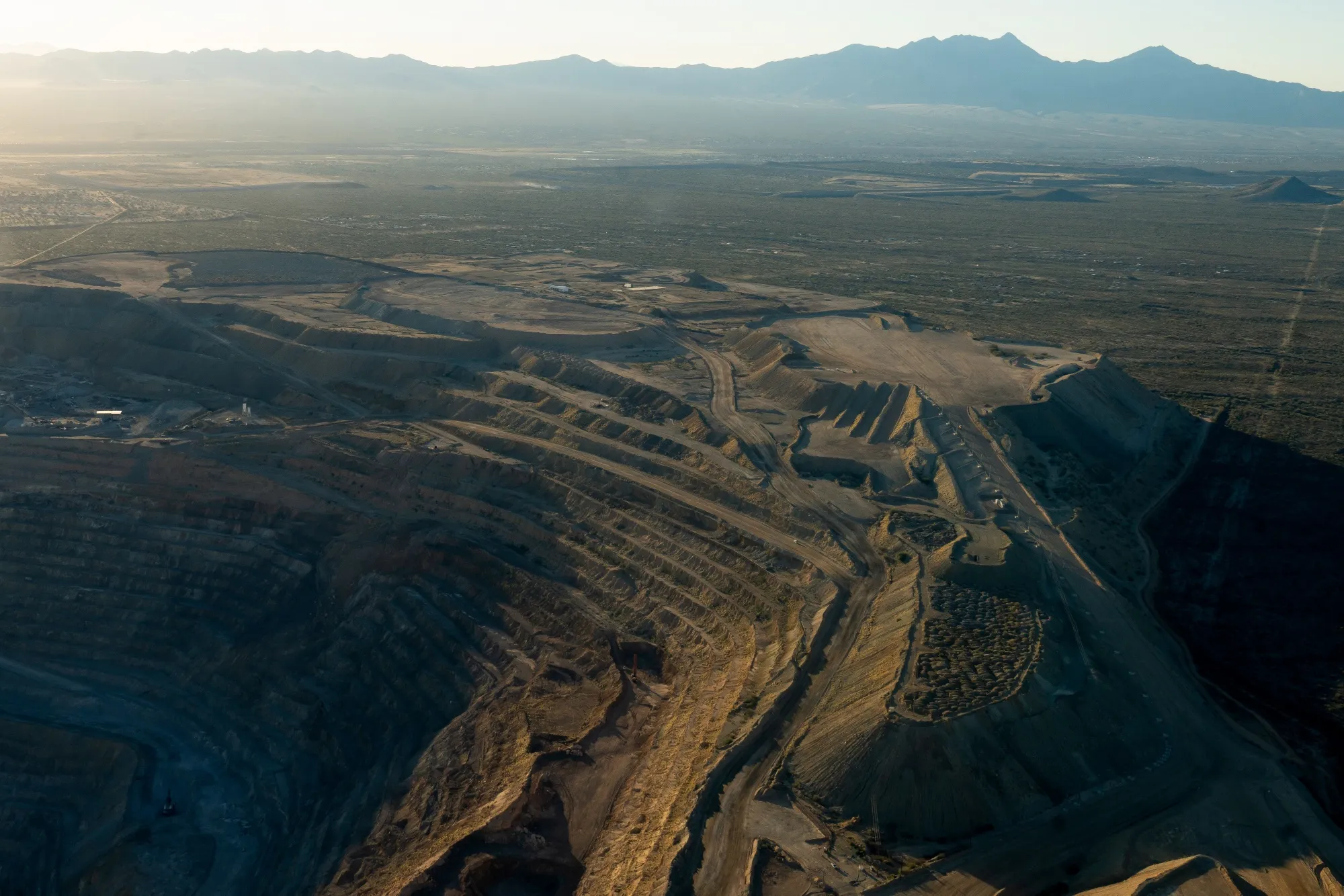
Basically everyone’s estimates for the size of this endeavor keeps rising. Meanwhile, check out the estimates for data center copper demand, which is expected to roughly triple (on an annual basis) in the coming years. The price of copper remains very close to record highs, and if you listened to our episode with Ivanhoe Mines founder Robert Friedland, then you’d know that mining capacity isn’t coming online anytime soon.
So yeah, plenty of reasons to think that this driver of heat in the economy is set to continue and possibly set to grow, even relative to lofty expectations. This is kind of speculative, but obviously there’s the temptation to compare this buildout to the telecom buildout in the late 1990s. And we all know how that ended.
The internet was in fact huge, but there was this mismatch where too much capacity was built out too soon, and the demand for it all didn’t materialize until later. It’s certainly possible that at some point, AI demand tapers off and we have unused data center capacity, at least for some extended period of times. One difference is that AI keeps getting significantly better.
Everyone knows this, but I’m not sure if it’s fully been internalized. We’re used to technologies that mature. Think of your i Phone.
Each new model of the i Phone was significantly better than the prior generatio...
Source: Bloomberg Markets · Summarized by HeadlinesBriefing