
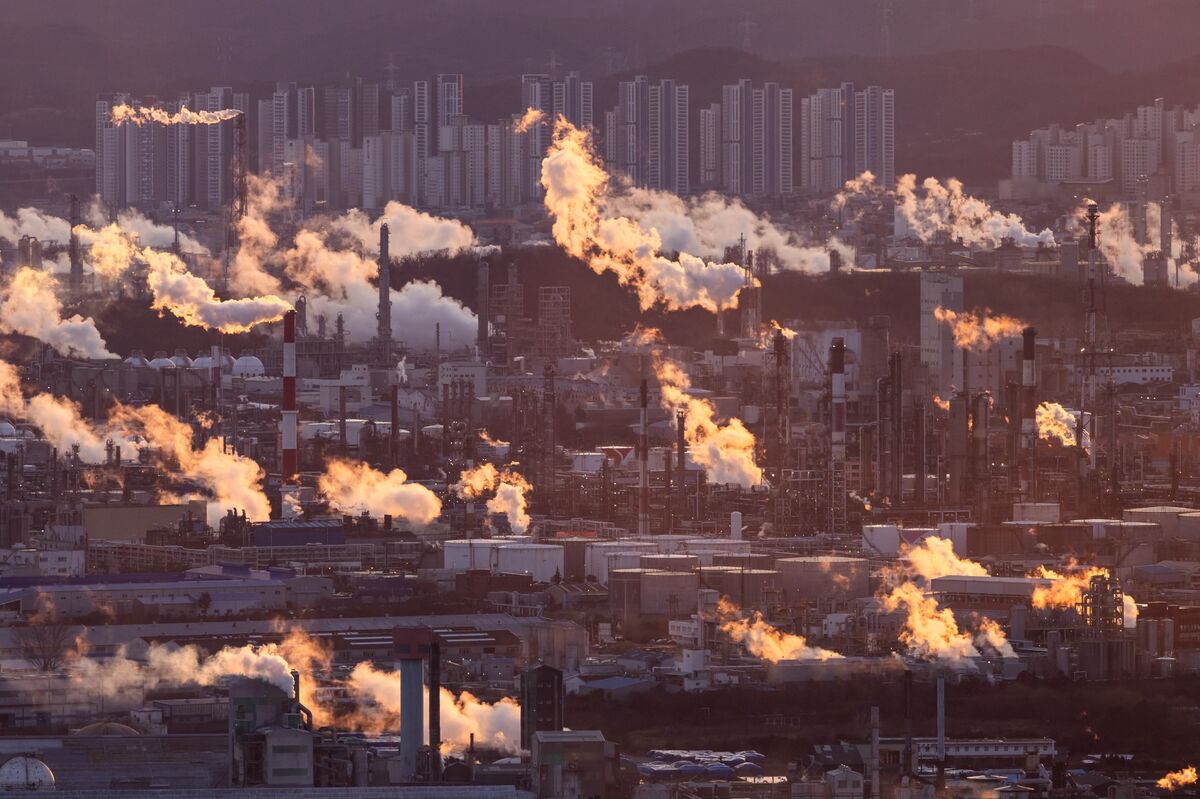
Qatar's largest LNG plant shutdown amid US-Israeli war against Iran disrupts global energy supplies, forcing industries to consider coal as a cheaper alternative. BloombergNEF analyst Camille Wee warns this mirrors the 2022 Russia-Ukraine crisis, where fuel-switching caused emissions surges. With Asia-Pacific regions tightening emissions regulations, disrupted LNG could drive demand for compliance credits, she said.
Taiwan plans to boost coal-fired energy output while Italy prepares plants for emergency use, highlighting proactive measures against potential LNG shortages. Such shifts may increase pollution, creating future demand for carbon credits as regulators enforce stricter rules. Meanwhile, higher gas prices could push LNG producers to expand operations, exacerbating emissions, according to Wee.
AirCarbon Exchange CEO Thomas McMahon noted the compliance market's trajectory hinges on disruption duration and regulatory adjustments. He cautioned the voluntary market might see reduced activity as companies prioritize cost-cutting over climate goals. Rising operating expenses could limit discretionary spending on voluntary offsets, prompting firms to reassess emissions timelines and hedging strategies.
This energy crisis underscores vulnerabilities in global fuel dependencies and climate policy enforcement. As LNG remains constrained, the interplay between emergency fuel adoption and emissions regulations will shape carbon market dynamics. Immediate impacts may be muted, but long-term demand for compliance credits could rise sharply if disruptions persist.
Source: Bloomberg Markets · Summarized by HeadlinesBriefing