
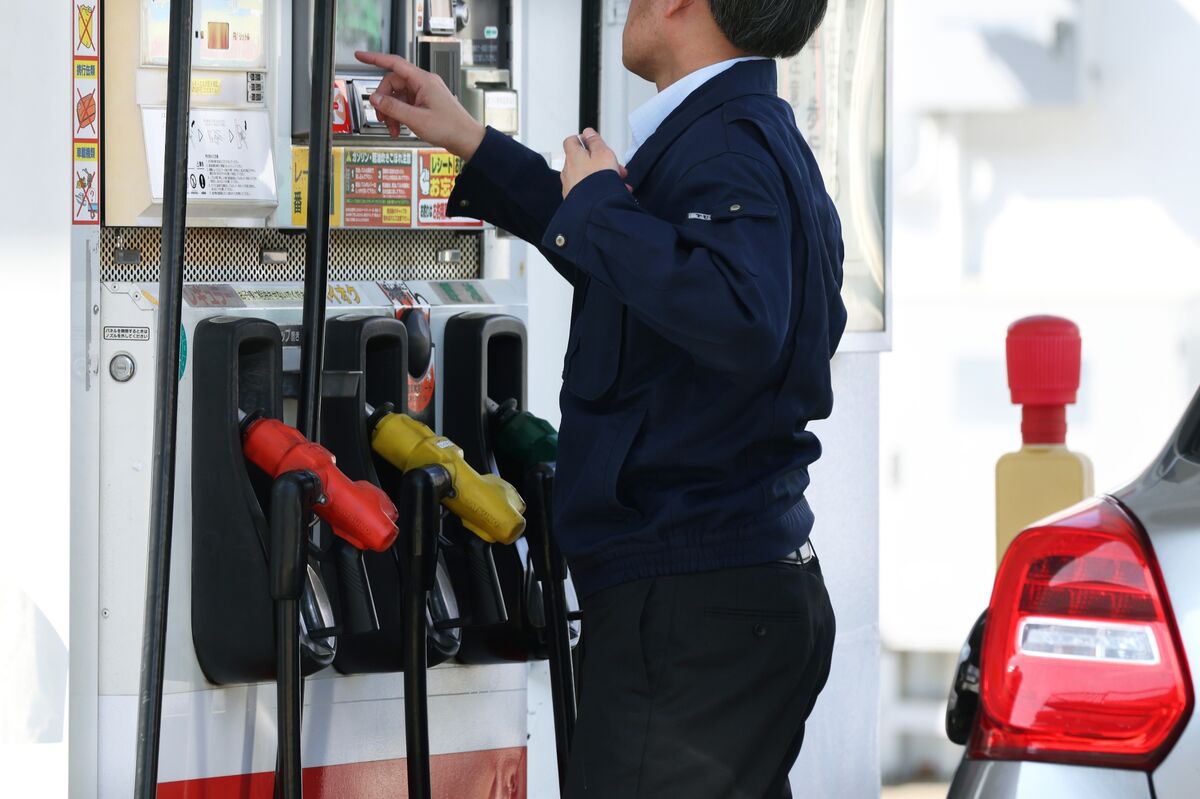
Japan is intensifying efforts to curb gasoline price surges linked to the Israel-Hamas war, which has driven domestic fuel costs to record highs. The government plans to expand monitoring of gas stations through increased phone surveys to ensure retail prices reflect a recent subsidy, according to a letter from the Agency for Natural Resources and Energy to the Zensekiren trade group. Officials aim to prevent stations from exploiting volatile global oil markets, with prices spiking over 20% since October 2023.
The conflict has disrupted Middle East oil supplies, pushing Brent crude above $90 per barrel and straining Japan’s energy security. Domestic refiners face rising import costs, prompting the government to subsidize gasoline while scrutinizing station-level pricing. Authorities will cross-check survey data with transaction records to identify overcharging, with penalties for non-compliance likely to escalate amid public backlash over inflationary pressures.
This move follows a broader strategy to stabilize fuel markets after the US-Israeli strike on Iran’s oil infrastructure last month. The government has allocated ¥50 billion ($330 million) to buffer price shocks, though analysts warn long-term solutions require diversifying energy imports. Retailers are also urged to adopt dynamic pricing models to balance supply constraints with consumer demand during the crisis.
Key entities involved: Japan’s Agency for Natural Resources and Energy, Zensekiren oil association. Critical figure: ¥50 billion subsidy fund. Conflict impact: 20%+ gasoline price surge since October 2023. Market focus: Middle East oil supply disruptions. Content type: news
Source: Bloomberg Markets · Summarized by HeadlinesBriefing