
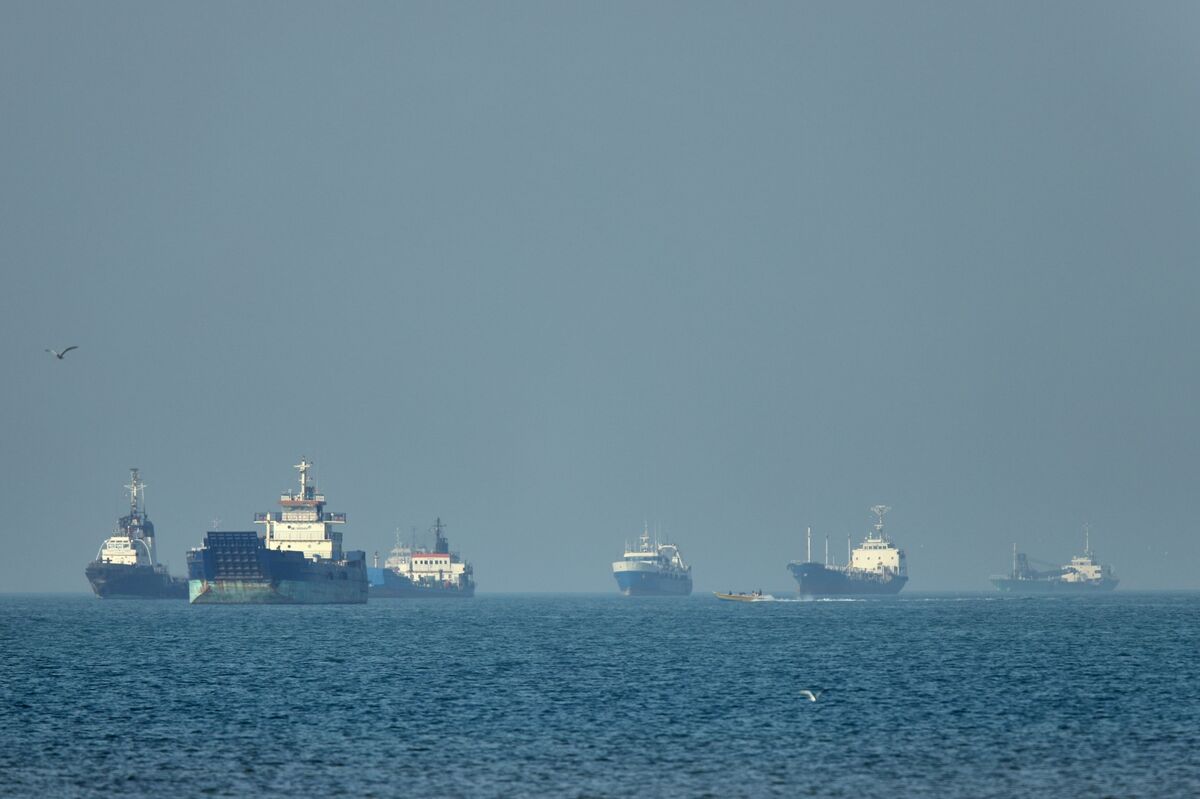
Iran's expansion of control in the Strait of Hormuz has forced commercial vessels to reroute, disrupting shipping activity in the Persian Gulf. The Islamic Republic’s widened security zone, now covering key chokepoints, has heightened risks for oil tankers and container ships, prompting cautious navigation and delays. Analysts warn this shift could escalate market volatility for energy and goods, as rerouting adds costs and complicates supply chains. Businesses are recalibrating logistics, with some opting for longer detours via the Cape of Good Hope to avoid heightened tensions.
The commercial shipping routes through Hormuz, which handle 20% of global oil trade, now face operational uncertainty. While no vessels have been seized in the expanded zone, the psychological impact of Tehran’s assertiveness has dented confidence. Shipping firms report increased insurance premiums and slower turnaround times at regional ports. Experts suggest the move reflects geopolitical tensions between Iran and Western powers, with ramifications for energy prices and regional stability.
Tehran’s strategy aims to assert dominance over the strait, a vital artery for global energy flows. By tightening control, Iran seeks to leverage its strategic position to influence international trade dynamics. However, the long-term viability of this approach hinges on how global markets adapt to reduced throughput and heightened risks. For now, the disruption underscores the fragility of maritime trade in conflict-prone zones.
Critical implications include potential delays in oil deliveries and strained relations between Iran and key trading partners. The situation highlights the vulnerability of global supply chains to geopolitical shifts, particularly in regions with concentrated strategic assets.
Source: Bloomberg Markets · Summarized by HeadlinesBriefing