
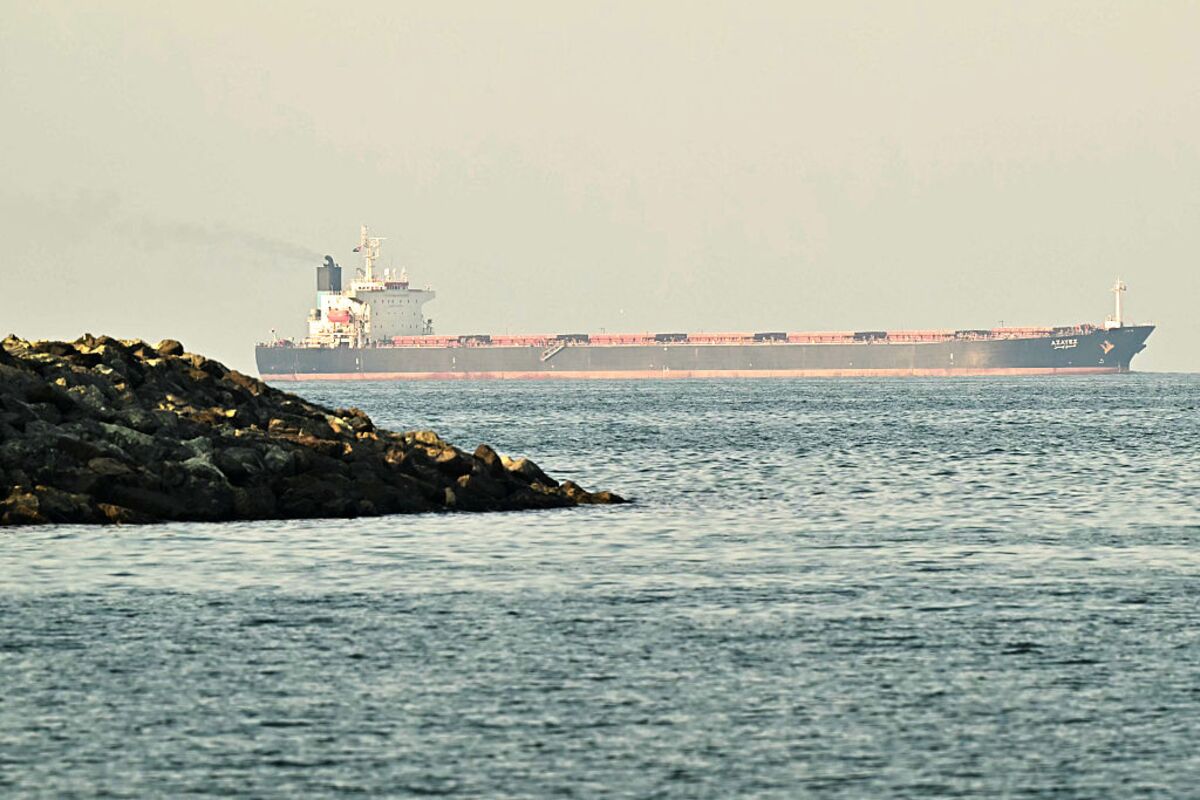
Strait of Hormuz disruptions are reshaping global trade, with impacts stretching far beyond oil prices. The conflict in Iran has triggered surging insurance costs and logistical bottlenecks for diverse cargoes, including metals and fertilizer ingredients. Shippers face heightened risks navigating the critical waterway, compounded by insurance providers refusing to cover routes through the area. Mercury Group, a logistics firm, reports carriers are rerouting vessels or absorbing losses to maintain operations, signaling broader economic ripple effects.
The crisis stems from Iran's conflict destabilizing one of the world's busiest shipping lanes. While oil tankers dominate headlines, $15 billion in monthly trade relies on the Strait, including industrial metals and agricultural chemicals. Insurers now demand premiums over 200% higher for Hormuz-bound cargo, forcing companies to weigh costly detours or risk uninsured shipments. Analysts warn this could delay deliveries and inflate prices for downstream industries.
Shipping firms are adopting hybrid strategies: chartering smaller vessels for Hormuz crossings or pooling resources to share insurance costs. Dry bulk carriers report a 30% drop in Hormuz transits since the war began, redirecting traffic through longer but safer routes like the Cape of Good Hope. This shift risks exacerbating supply chain delays already straining global markets.
The fallout underscores the Strait's strategic importance beyond energy. With 14% of global trade passing through Hormuz annually, disruptions threaten to amplify inflation and slow recovery in commodities-dependent economies. As Margo Brock of Mercury Group notes, "This isn't just an oil story—it's a test of global supply chain resilience."
Source: Bloomberg Markets · Summarized by HeadlinesBriefing