
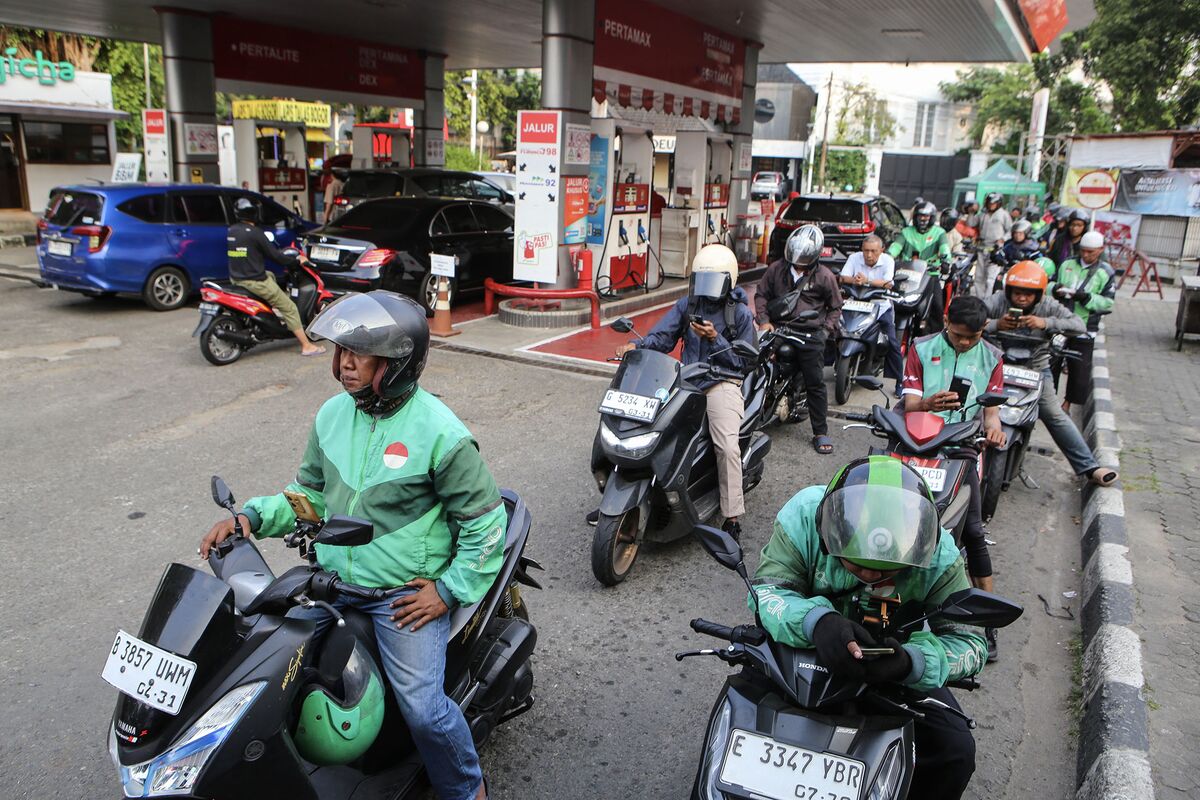
The recent conflict in Iran has rippled across Asia, reshaping supply chains and tightening markets. A temporary deal to reopen the Strait of Hormuz offers brief relief, yet the region faces deeper shocks in food and energy flows that will linger beyond any ceasefire for global trade flows today and.
Underlying structural weaknesses in Asian economies—high debt, fragile trade balances, and limited diversification—expose them to volatility. Even as the Strait reopens, uncertainty over oil prices and shipping costs keeps investors wary, pushing commodity prices higher and tightening credit conditions across the region for short-term growth and market stability in 2025.
The podcast panel, featuring Odd Lots hosts Tracy Alloway and Joe Weisenthal, outlined a 'new normal' for global supply chains. They warned that companies must adapt to rerouted logistics, higher insurance premiums, and a shift toward regional sourcing to mitigate future disruptions for supply chain resilience and profitability in 2026.
These adjustments come amid a broader trend of geopolitical risk reshaping trade corridors. Investors now track Iran's diplomatic moves closely, as any escalation could trigger renewed sanctions, disrupt shipping lanes, and force a costly realignment of Asia's energy imports for future market stability and regional security in the coming years.
Source: Bloomberg Markets · Summarized by HeadlinesBriefing