
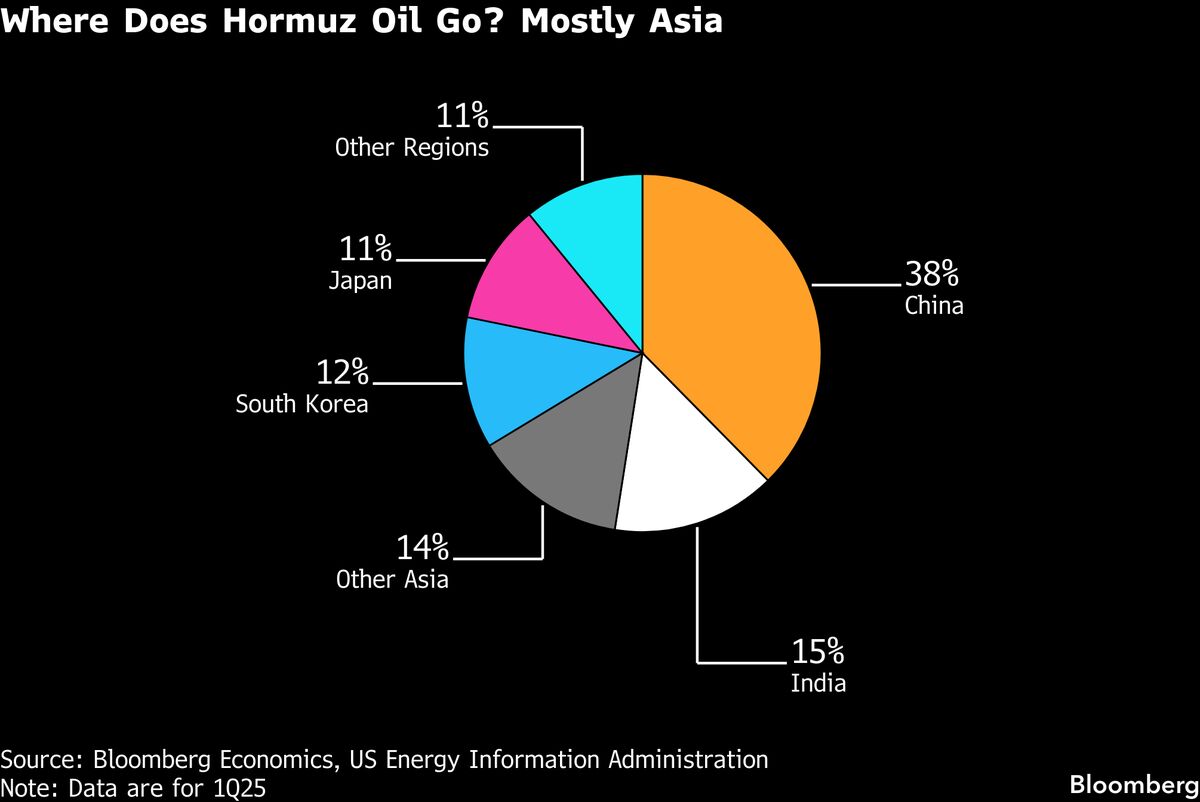
Asia's oil-dependent economies gave a measured welcome to the US-Iran agreement aimed at reopening the Strait of Hormuz, a critical chokepoint through which most regional energy imports transit. The deal addresses immediate shipping concerns but stops well short of resolving broader tensions that could still disrupt supply flows.
For good reason, the reaction remains cautious. While the agreement may ease short-term shipping risks, officials across energy-importing Asian nations acknowledge lingering uncertainty about whether it delivers lasting stability. The Strait of Hormuz carries roughly one-third of global seaborne oil trade, making any disruption potentially devastating for economies dependent on Gulf crude.
Japan, South Korea, and China watched developments closely, given their substantial energy import bills and growing industrial demand. These oil-thirsty economies have limited alternatives to Gulf supplies, forcing them to navigate geopolitical risks while securing the energy needed for growth.
The cautious optimism reflects a pragmatic calculation: any de-escalation beats escalation when oil prices are already elevated. But Asian buyers know that temporary fixes rarely substitute for permanent peace, leaving them to monitor Tehran's compliance and Washington's follow-through.
Source: Bloomberg Markets · Summarized by HeadlinesBriefing