
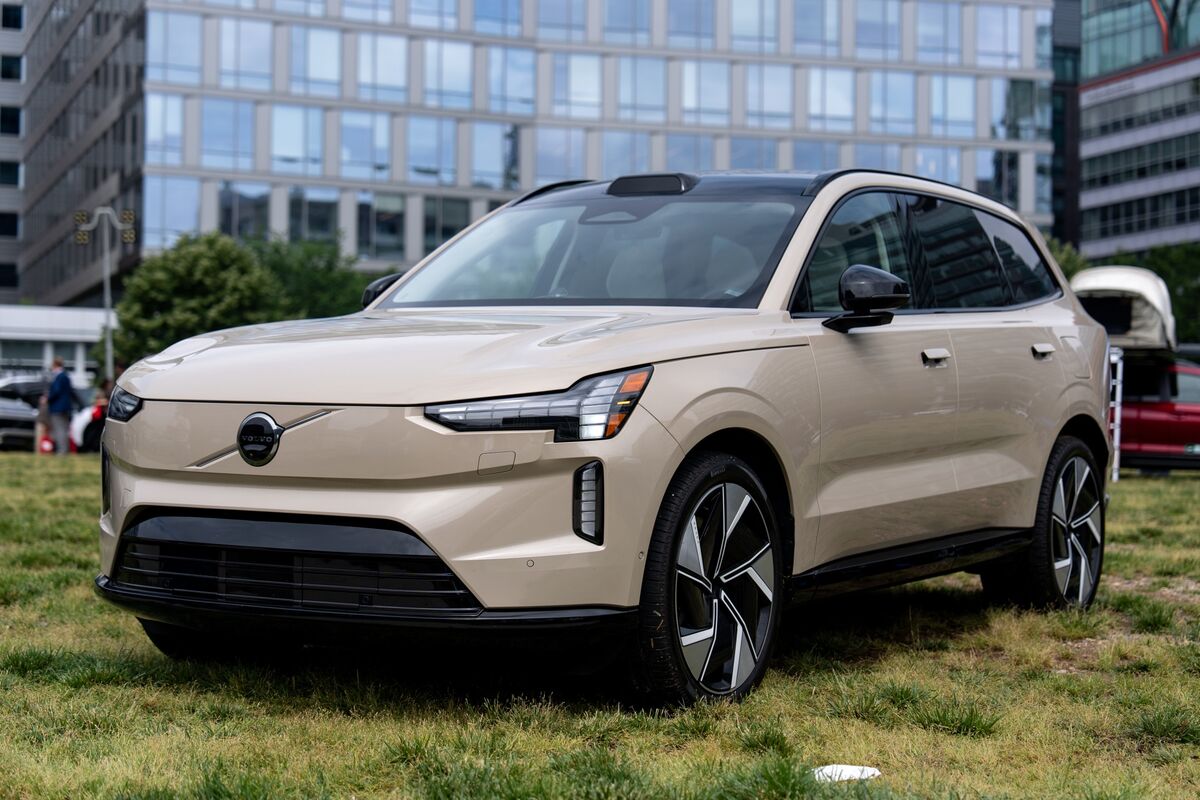
Volvo Car AB reported that the escalating conflict in Iran has significantly reduced U.S. demand for its vehicles in the first quarter, marking one of the earliest indicators that geopolitical tensions are eroding consumer spending in the automotive sector. The automaker attributes the decline to rising fuel prices, which have forced buyers to prioritize cost-cutting over discretionary purchases like cars. This trend underscores how the war’s ripple effects are disrupting global markets, with automotive sales serving as a bellwether for economic uncertainty.
The Iran conflict has already triggered volatility in oil markets, pushing gasoline costs higher and squeezing household budgets. For automakers like Volvo, this creates a dual challenge: not only must they navigate supply chain disruptions, but they also face shrinking demand as consumers delay major expenses. Analysts suggest this pattern could foreshadow deeper issues for the industry, as prolonged instability may deter investment in new models or expansion plans.
While Volvo has not disclosed specific sales figures, the timing of the report aligns with broader trends of declining auto registrations across the U.S. in Q1. The company’s warning highlights vulnerabilities in the sector, particularly as geopolitical risks and inflationary pressures converge to reshape consumer behavior. Investors are likely to scrutinize how automakers adapt to these headwinds, especially as competitors like Ford and General Motors grapple with similar challenges.
This development signals a critical shift in the automotive landscape, where economic uncertainty and market instability now take center stage. As the war in Iran intensifies, its impact on global trade and energy prices could further amplify the sector’s struggles, forcing companies to reassess strategies for sustaining growth in a fragile environment.
Source: Bloomberg Markets · Summarized by HeadlinesBriefing