
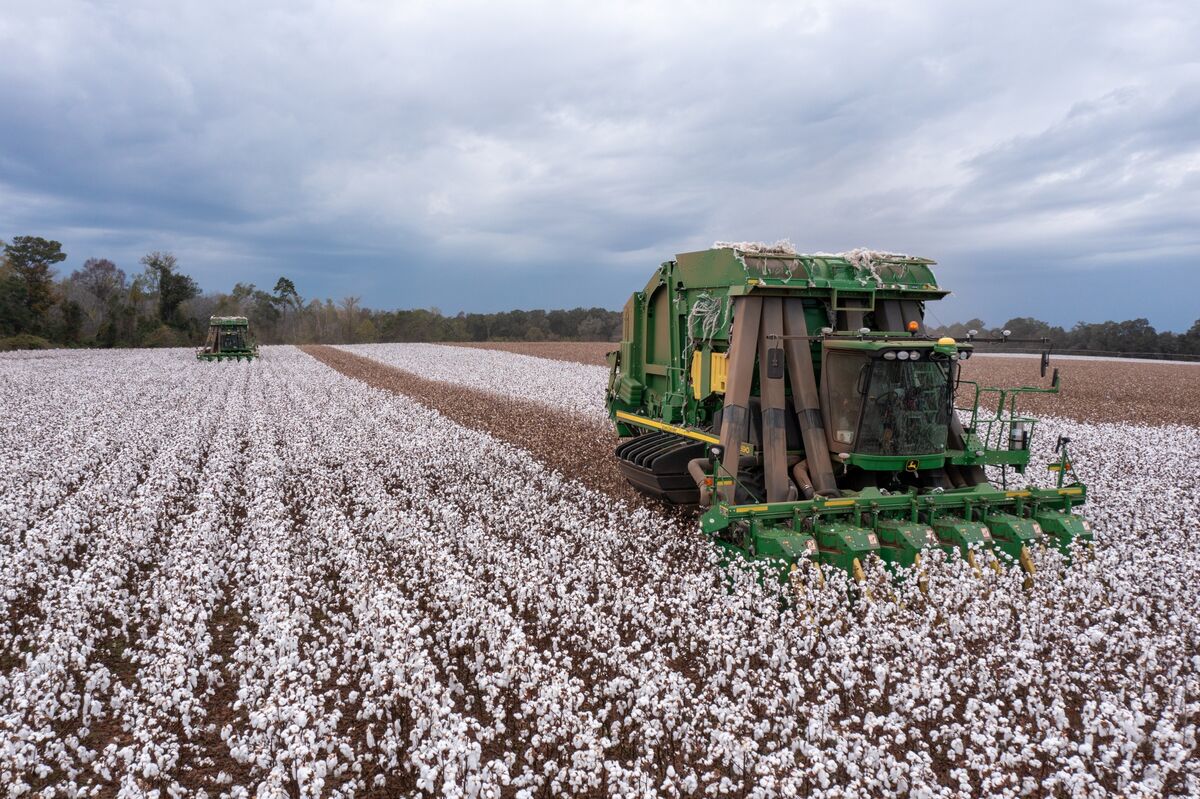
Cotton futures in New York climbed to their highest level since December 2024, driven by a confluence of factors that traders say could signal sustained price pressure. The catalyst appears to be a preliminary US Department of Agriculture report suggesting reduced acreage for the key fiber crop, which traders interpret as a sign of tighter domestic supplies ahead of the harvest season. This development comes against a backdrop of persistent global supply constraints, including lower-than-expected production in major exporting nations like India and Brazil. Market analysts warn that these dynamics may keep prices elevated through the summer months, impacting apparel manufacturers and retailers who rely on cotton for production. The surge reflects growing concerns that demand could outstrip supply if production shortfalls persist, potentially leading to higher consumer costs for clothing and textiles.
The US planting report serves as a critical early indicator for the agricultural sector, with traders paying close attention to how this year's acreage compares to previous seasons. Global supply tightness is particularly acute in India, where monsoon delays have hampered cotton picking, and in Brazil, where lower yields have been reported. These regional challenges compound the US outlook, creating a scenario where inventories could reach critically low levels by year-end. The implications extend beyond futures markets, potentially affecting global trade flows and pricing strategies for businesses dependent on cotton inputs. Industry experts suggest this could lead to increased stockpiling by processors and a shift toward alternative fibers in some manufacturing sectors.
While the futures spike represents a significant move for cotton investors, its broader economic impact remains to be seen. The market's reaction underscores the vulnerability of cotton prices to production shocks and geopolitical factors affecting global agriculture. Traders are now watching closely for the USDA's final planting estimates and upcoming export data, which could either validate or challenge the current bullish sentiment. For now, the rally highlights the commodity's sensitivity to supply-side developments and the persistent uncertainty surrounding next season's harvest prospects.
Source: Bloomberg Markets · Summarized by HeadlinesBriefing