
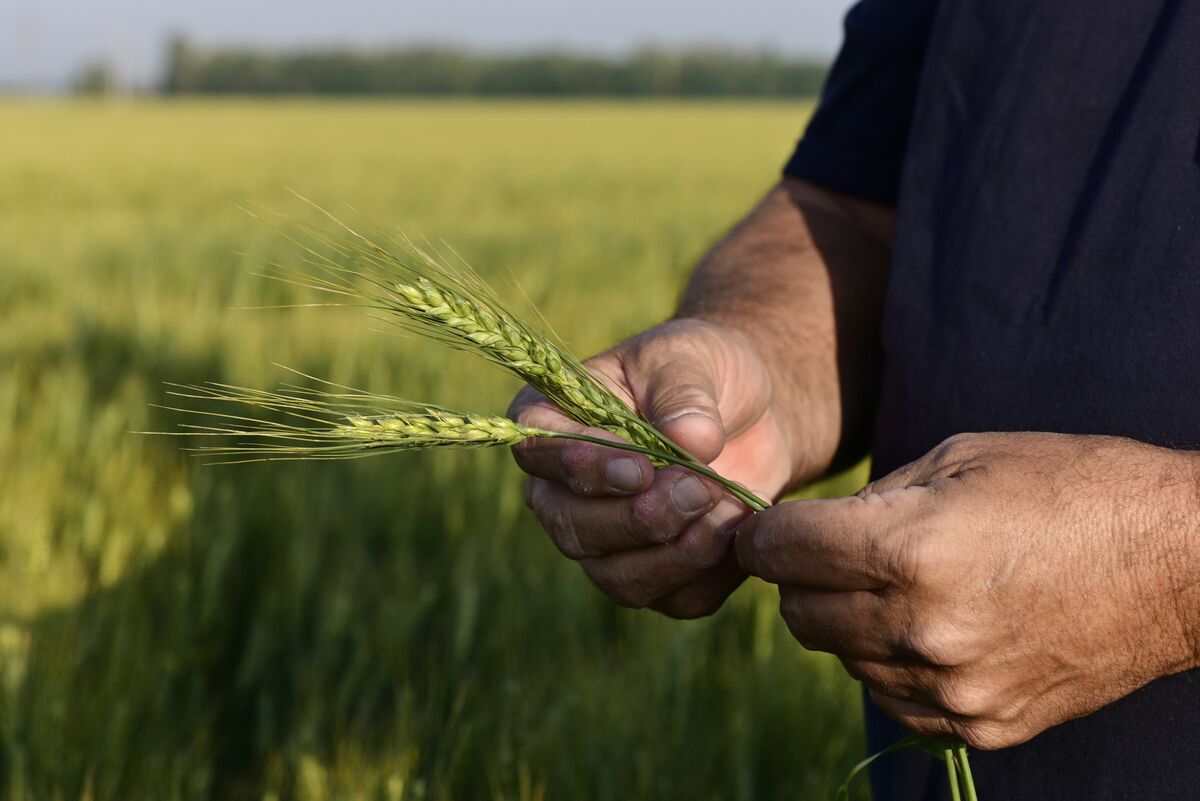
Hard-red winter wheat prices surged to their largest premium over soft red wheat in seven months, driven by escalating concerns over crop conditions in the central United States. The spread between the two wheat types widened as traders anticipate reduced yields in key growing regions, where prolonged heatwaves are intensifying stress on fields. This divergence signals tightening supply dynamics, with market participants closely monitoring weather forecasts and USDA reports for updates on the Plains’ harvest outlook.
The central US, a critical wheat-producing zone, faces heightened risks as temperatures soar, threatening pollination and grain filling stages. Farmers and analysts warn that sustained heat could accelerate maturation, reducing bushel weights and quality. While hard-red wheat—used for bread and pasta—remains resilient due to its drought tolerance, soft red wheat—preferred for pastries—faces greater vulnerability to heat damage. This disparity is reshaping futures contracts, with traders locking in higher prices for hard-red contracts ahead of potential supply shortages.
Business implications extend beyond agriculture, affecting grain elevators, flour mills, and food manufacturers reliant on consistent wheat supplies. Deal values for hard-red wheat contracts have spiked, reflecting tighter inventories and fears of delayed planting in 2024. Regulators are also scrutinizing market volatility, with some traders urging closer oversight of speculative positions that could amplify price swings. The situation underscores the sector’s sensitivity to climatological disruptions and global trade tensions.
Amid these challenges, agricultural economists emphasize the need for adaptive strategies. Producers are accelerating irrigation efforts, while grain processors are diversifying procurement channels. However, the core issue—unseasonal heat disrupting yield potential—remains unresolved. Market analysts caution that prolonged volatility could deter long-term investments in wheat infrastructure, impacting rural economies dependent on stable agricultural output.
Source: Bloomberg Markets · Summarized by HeadlinesBriefing