
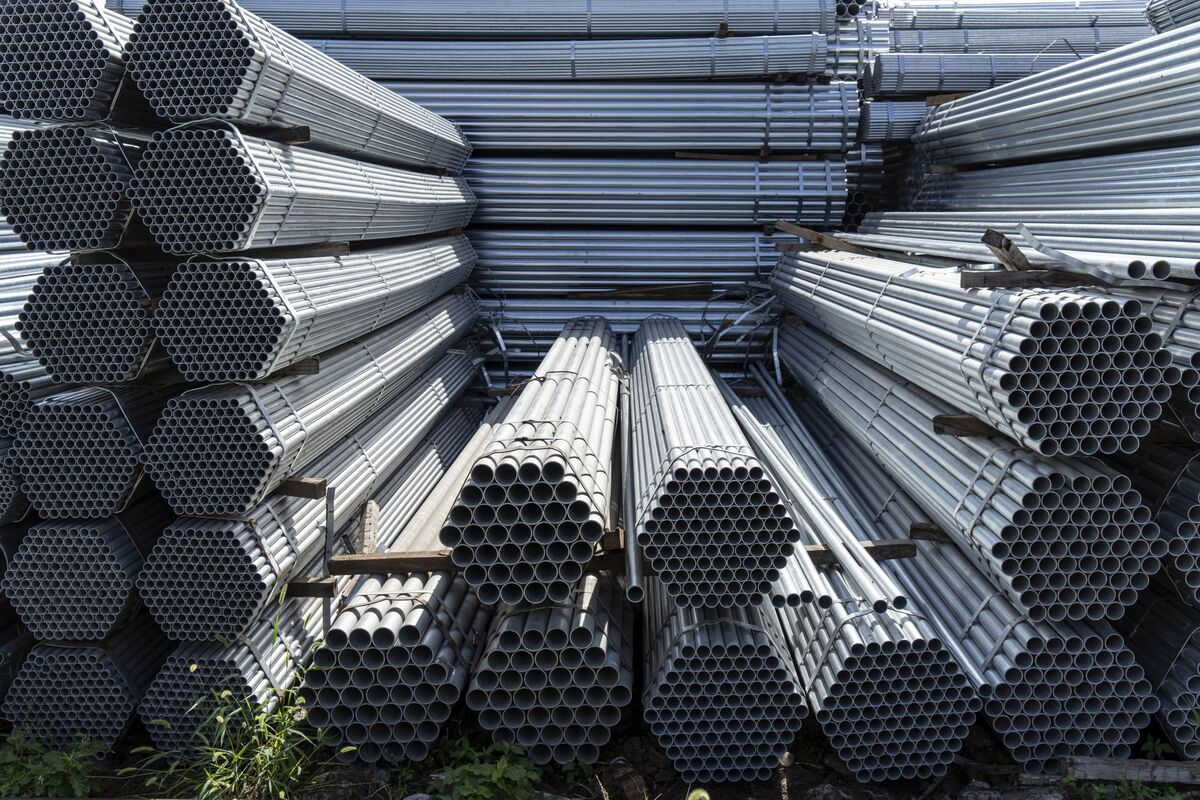
China’s electric-arc furnace (EAF) steelmakers have surged past a critical 61% weekly capacity utilization, the highest since January 2024, signaling renewed competitiveness. This rebound follows prolonged struggles to breach the 60% threshold, driven by plummeting raw material costs and rising demand for greener steel. Mysteel’s data highlights that EAF mills—powered by recycled scrap rather than coal and iron ore—are now closing the price gap with traditional blast furnaces, narrowing to 60 yuan ($8.72) per ton from a peak of 100 yuan. Steven Yu, Mysteel researcher, attributes this shift to electric furnaces regaining profitability amid declining inventories and surging demand for rebar and hot-rolled coil.
The price convergence between EAF and blast furnace steel has disrupted China’s steel supply chain, with mills rapidly scaling output to fill gaps. Shanghai Futures Exchange rebar and hot-rolled coil futures dipped 0.2% and 0.3%, respectively, while Singapore iron ore futures fell 0.4% to $106.20 a ton. This pricing realignment underscores EAFs’ growing role in meeting China’s steel needs while aligning with global decarbonization trends. However, mills still face challenges from past underinvestment in EAF capacity, which caused last year’s missed emissions targets.
Analysts warn that sustained EAF growth depends on stable scrap supply and continued raw material cost parity. Dalian Futures Exchange declines suggest broader market caution, but Mysteel’s findings indicate a structural shift toward cleaner production. For investors, this marks a pivotal moment as EAFs transition from niche to mainstream in China’s $1.5 trillion steel industry.
Why this matters: The EAF resurgence reflects China’s dual push for economic recovery and environmental compliance. With steel accounting for 5% of global CO2 emissions, this pivot could accelerate adoption of low-carbon technologies worldwide. However, the sector’s reliance on scrap availability and energy prices remains a wildcard for long-term stability.