
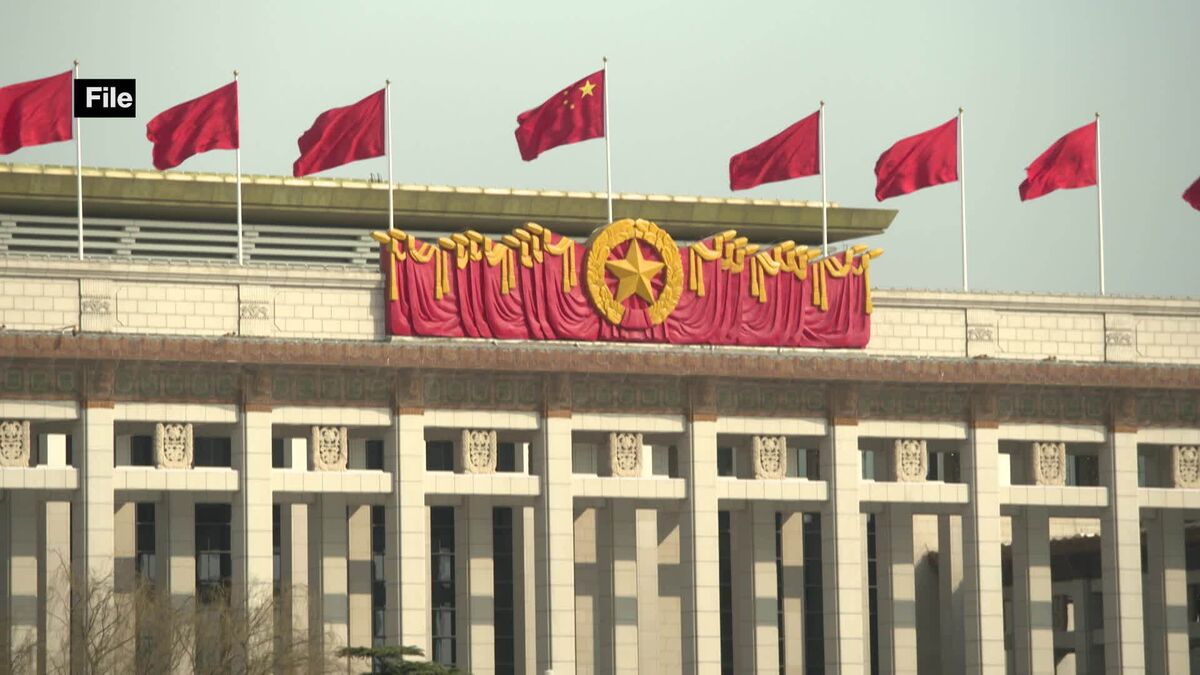
China’s National People’s Congress (NPC) convenes in Beijing this week, with officials grappling with $100 billion stimulus plans amid stalled trade deals and U.S. tariff threats. The 14th session will prioritize boosting domestic consumption and stabilizing the property sector, which accounts for 30% of GDP. Analysts warn that delays in resolving U.S.-China trade tensions could undermine investor confidence ahead of the political event.
A $90 billion infrastructure push targeting rural electrification and 5G expansion aims to offset weak Q1 manufacturing data. However, regulatory scrutiny on tech giants like Tencent and ByteDance may deter foreign investment. The NPC’s decisions on carbon neutrality targets will also shape global ESG investment flows, particularly in renewable energy sectors.
Geopolitical risks loom large as Taiwan Strait tensions and South China Sea disputes threaten to disrupt ASEAN economic integration. Defense spending, now at $250 billion annually, reflects Beijing’s push to counter U.S. alliances in the Indo-Pacific. Meanwhile, state-backed banks are accelerating green financing initiatives, with $50 billion allocated for solar projects by 2027.
Market analysts stress that the NPC’s outcomes will hinge on balancing domestic reforms with global competitiveness. A successful stimulus rollout could lift A-share indices by 15%, but sanctions risks from the U.S. and EU remain a wildcard. The event’s regulatory clarity on cryptocurrency and AI governance will be pivotal for tech sector growth.
The 2026 NPC marks a critical juncture for China’s economic resilience and global influence. Policymakers face mounting pressure to address youth unemployment (now at 21%) while maintaining social stability. Dollar-denominated debt levels, already at $14 trillion, may face renewed scrutiny as housing defaults rise. All eyes are on Premier Li Qiang’s strategy to reconcile state control with market-driven innovation.