
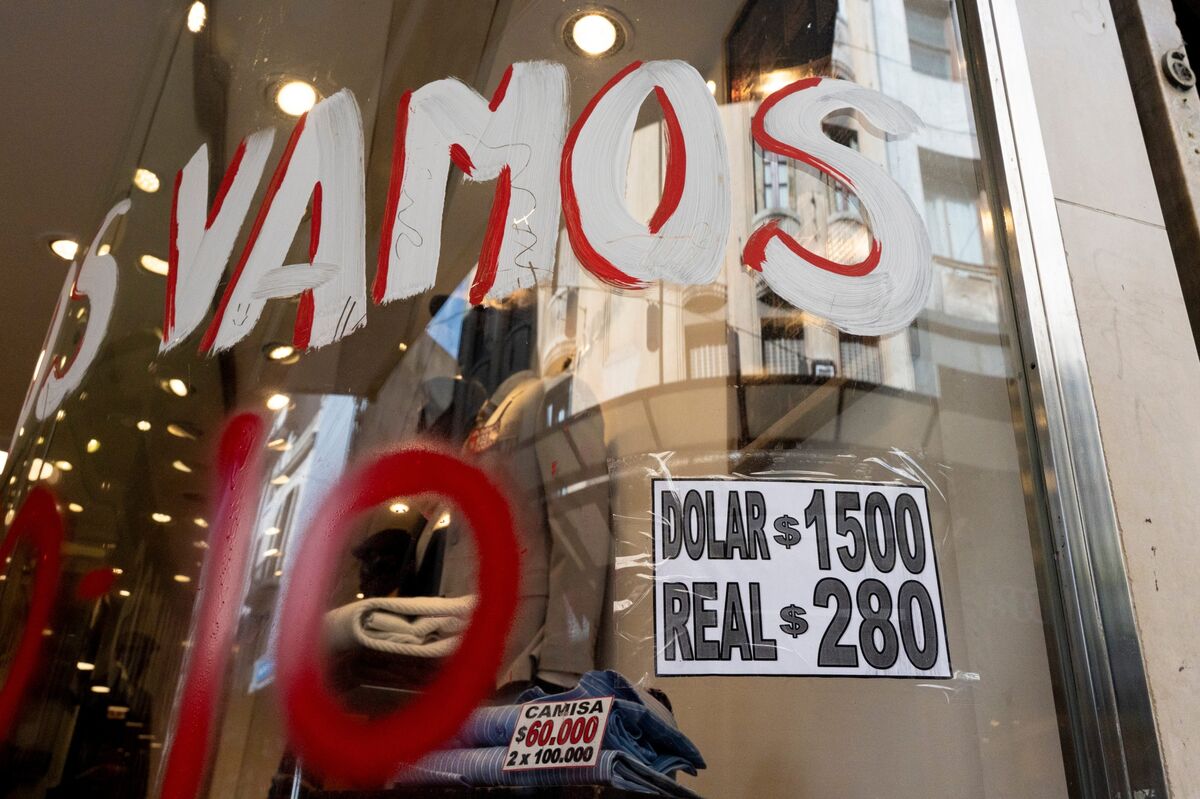
Carry Traders are shifting their currency bets away from the US dollar to the euro and Australian dollar as the greenback strengthens, according to Bloomberg Markets. This trend reflects a broader market adjustment to the dollar’s resurgence, which has made it more expensive for investors to borrow in emerging economies. Traders, who typically borrow in one currency to invest in another for profit, are now favoring the euro and AUD due to lower borrowing costs and perceived stability. The move signals a potential erosion of the dollar’s decades-long dominance in global carry trades, which could impact liquidity and pricing in developing markets.
The shift is driven by the dollar’s recent strength, which has increased the cost of dollar-denominated funding. Emerging-market investors, particularly in Asia and Latin America, are seeking alternatives to hedge against currency risks and capitalize on higher yields in other regions. The euro, with its deep liquidity and lower volatility, and the AUD, buoyed by Australia’s strong export sector, have become attractive substitutes. This diversification could reduce reliance on the dollar but may also introduce new risks if these currencies face their own volatility or regulatory scrutiny. The trend underscores a fragmented global capital market where investors prioritize cost efficiency over traditional dollar-centric strategies.
While the dollar’s resurgence is a short-term phenomenon, the long-term implications depend on broader macroeconomic factors, including interest rate differentials and geopolitical stability. For investors, this shift highlights the need to monitor currency dynamics and diversify funding sources. The emerging-market bets themselves remain lucrative, but the tools to finance them are evolving. A sustained move away from the dollar could reshape how capital flows are structured, potentially benefiting non-dollar currencies but also complicating risk management for global investors.
Source: Bloomberg Markets · Summarized by HeadlinesBriefing