
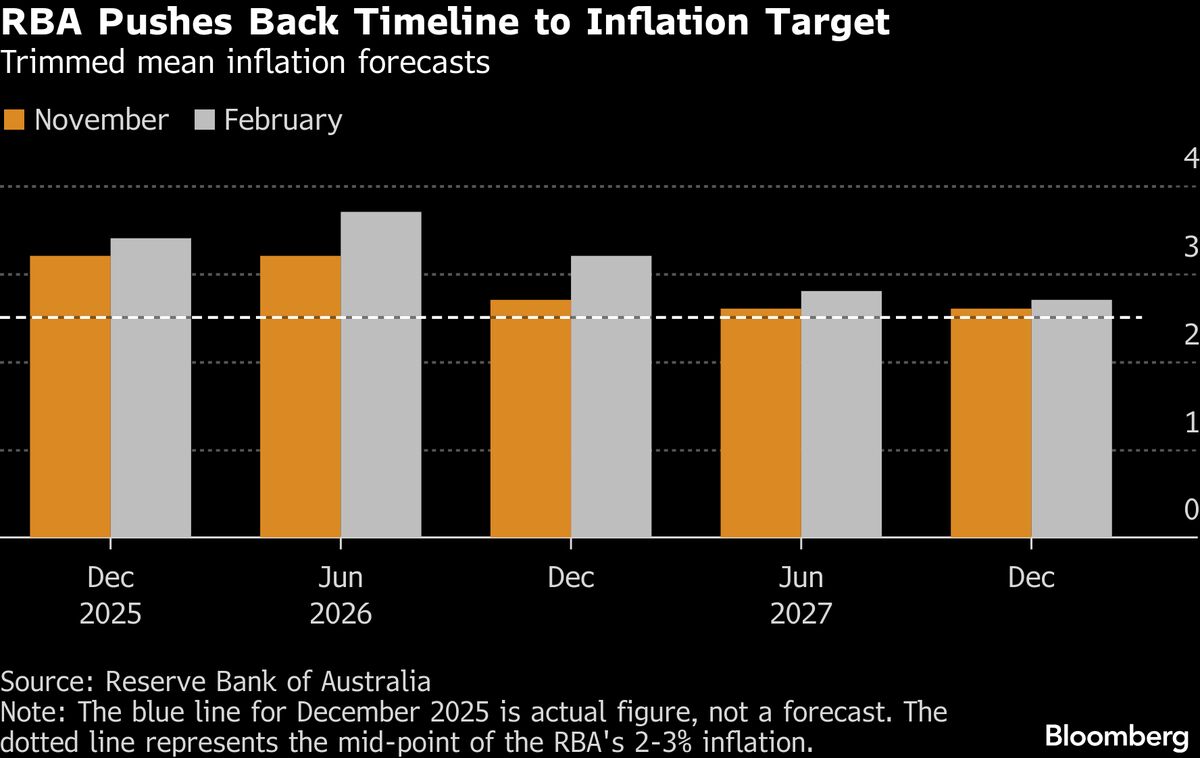
Australian household spending unexpectedly declined in December after two months of strong gains, raising concerns about consumer resilience in the face of rising borrowing costs. The Reserve Bank of Australia's recent interest rate hikes appear to be having their intended effect of restraining demand. This reversal in consumer spending growth could signal a broader economic slowdown.
Retail sales and consumer confidence had shown signs of strength in October and November, making December's decline particularly notable. The timing is significant as it comes shortly after the central bank's latest rate increase, suggesting monetary policy is beginning to impact household budgets. Economists had anticipated continued growth, making this data point a potential warning sign for future economic performance.
The December spending decline adds to growing evidence that Australia's economy may be losing momentum. Higher interest rates increase mortgage payments and borrowing costs, reducing disposable income for many households. This could lead to reduced consumer spending across various sectors, from retail to services, potentially dampening economic growth This unexpected drop in household spending growth highlights the challenges facing Australia's economy as it navigates higher interest rates. The Reserve Bank will likely monitor these trends closely as it considers future monetary policy decisions. With consumer spending being a major driver of economic activity, this development could influence both business investment decisions and broader economic forecasts.
Quick Fact: Australia's Reserve Bank raised interest rates to help restrain demand.
Source: Bloomberg Markets · Summarized by HeadlinesBriefing