
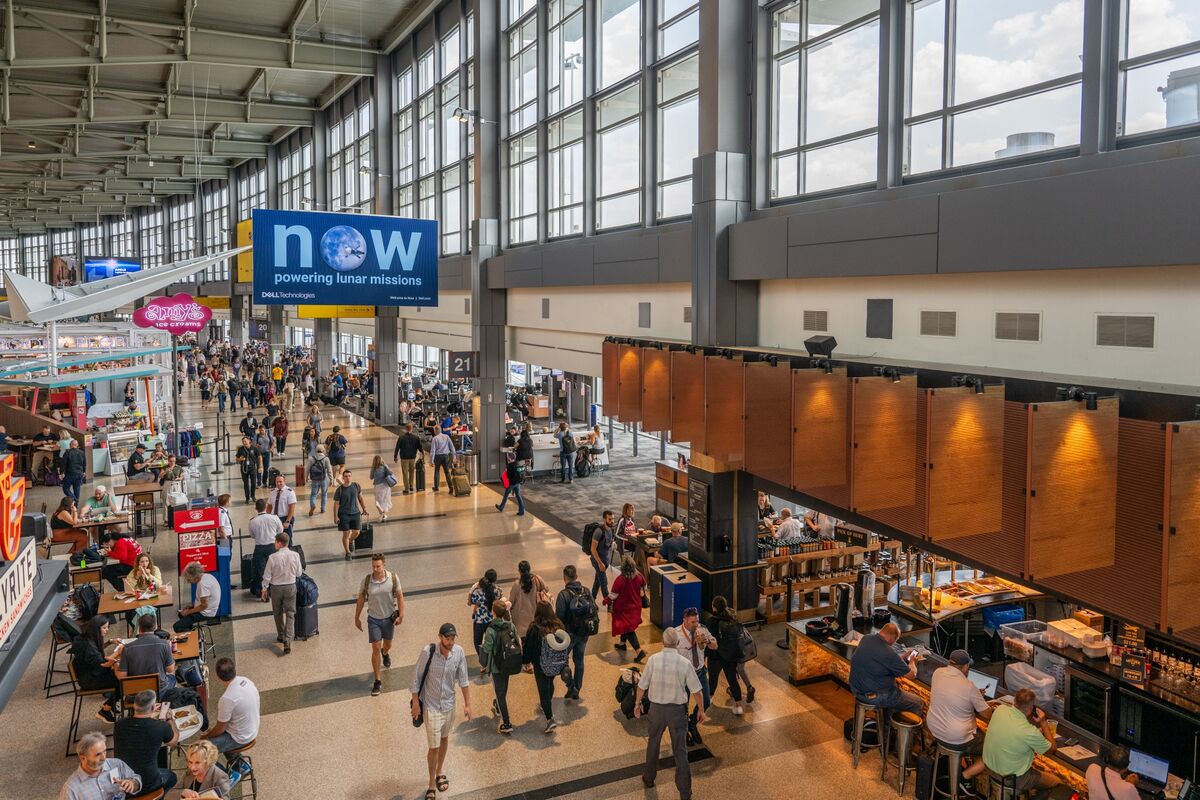
Austin-Bergstrom International Airport is set to raise $1.18 billion via a revenue bond sale on Tuesday, addressing capacity strains caused by rapid growth in one of the U.S.’s fastest-expanding metro regions. The move aims to fund infrastructure upgrades to accommodate surging passenger traffic and operational demands. The bond offering reflects the city’s aggressive expansion plans, with officials citing a 15% annual increase in regional population and a 20% rise in air travel over the past five years. Investors will assess the deal’s viability amid tight municipal financing markets, where cities increasingly turn to public-private partnerships to fund large-scale projects.
The $1.18 billion offering marks one of the largest municipal bond sales in Texas history, signaling strong demand for infrastructure financing as federal funding remains politically contentious. Analysts note the timing aligns with peak travel seasons, positioning the airport to capitalize on heightened demand. However, the deal faces scrutiny over long-term debt sustainability, with critics warning that rising interest rates could inflate repayment costs. Proponents argue the investment is critical to maintaining Austin’s competitive edge as a tech and business hub, with the city’s GDP projected to grow 3.2% annually through 2026.
The bond sale underscores a broader trend of municipalities leveraging market-driven financing to bypass budgetary constraints. Austin’s strategy mirrors similar efforts by cities like Dallas and Denver, which have prioritized airport modernization to attract corporate relocation. The success of the offering could set a precedent for other mid-sized metros grappling with similar capacity challenges. Regulatory bodies will monitor the deal’s execution, particularly around transparency in fund allocation and environmental impact assessments for expanded operations.
Austin’s effort to secure $1 billion in municipal bonds highlights the escalating financial stakes of maintaining infrastructure in high-growth areas. If finalized, the deal will likely trigger follow-on investments in regional transportation networks, including rail and road upgrades. While the immediate focus remains on airport expansion, the broader implications include potential ripple effects on local real estate markets and workforce housing shortages. The city’s ability to execute the plan will hinge on sustained economic growth and investor confidence in the region’s long-term viability.
Source: Bloomberg Markets · Summarized by HeadlinesBriefing