
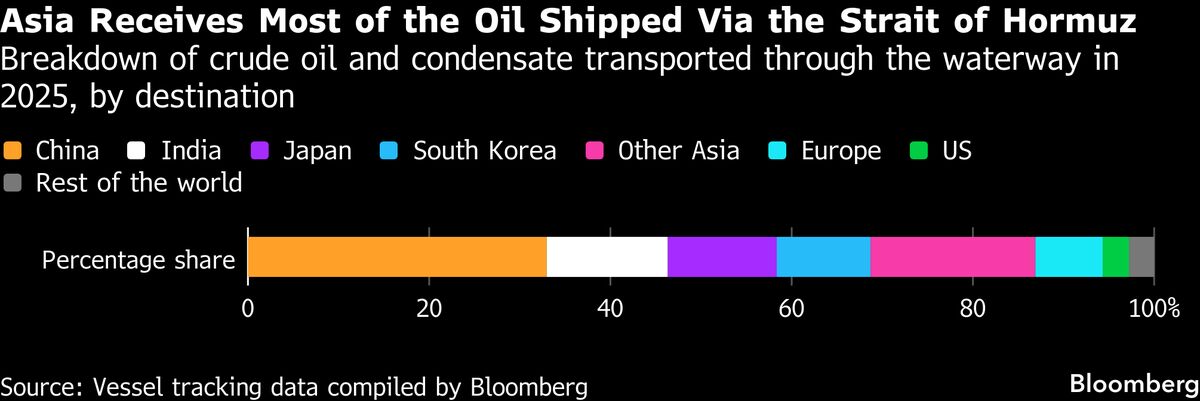
Governments across Asia are bracing for severe energy supply disruptions stemming from the ongoing Iran war, according to Bloomberg Markets. Key Asian economies are developing contingency plans for potential prolonged shortages of oil and gas, which could trigger widespread economic instability. Critical infrastructure operators are already stockpiling fuel and reviewing alternative supply routes to mitigate risks. The US strategy to end the conflict remains unclear, but analysts warn that even a temporary disruption could spike energy prices across the region. Major Asian economies like Japan, South Korea, and China are particularly vulnerable due to their heavy reliance on Middle Eastern energy imports.
This preparation reflects growing anxiety over the war's duration and its potential to cripple industrial output. Asian manufacturers face mounting pressure to secure stable energy sources, with some already exploring long-term contracts with alternative suppliers in Russia or Africa. Energy-intensive sectors such as steel, chemicals, and electronics are prioritizing resilience measures, including diversifying suppliers and investing in renewable energy. Government agencies are coordinating with private sector partners to ensure emergency response capabilities are in place, though the scale of disruption remains uncertain.
The economic stakes are enormous, as Asia accounts for over half of global energy demand growth. A severe disruption could force businesses to reduce operations, delay investments, and accelerate inflation. Asian central banks are monitoring these risks closely, with some considering contingency liquidity provisions. The potential for energy rationing in key industrial zones could reshape global supply chains, pushing companies to relocate production away from vulnerable regions. The ultimate impact depends on the conflict's trajectory and any diplomatic breakthroughs, but the current preparations underscore the region's precarious position.
This scenario highlights the critical need for diversified energy strategies across Asia. The cost of inaction could be catastrophic, forcing nations to choose between economic stability and energy security. The path forward requires immediate investment in alternative sources and regional cooperation to buffer against potential shocks.
Source: Bloomberg Markets · Summarized by HeadlinesBriefing