
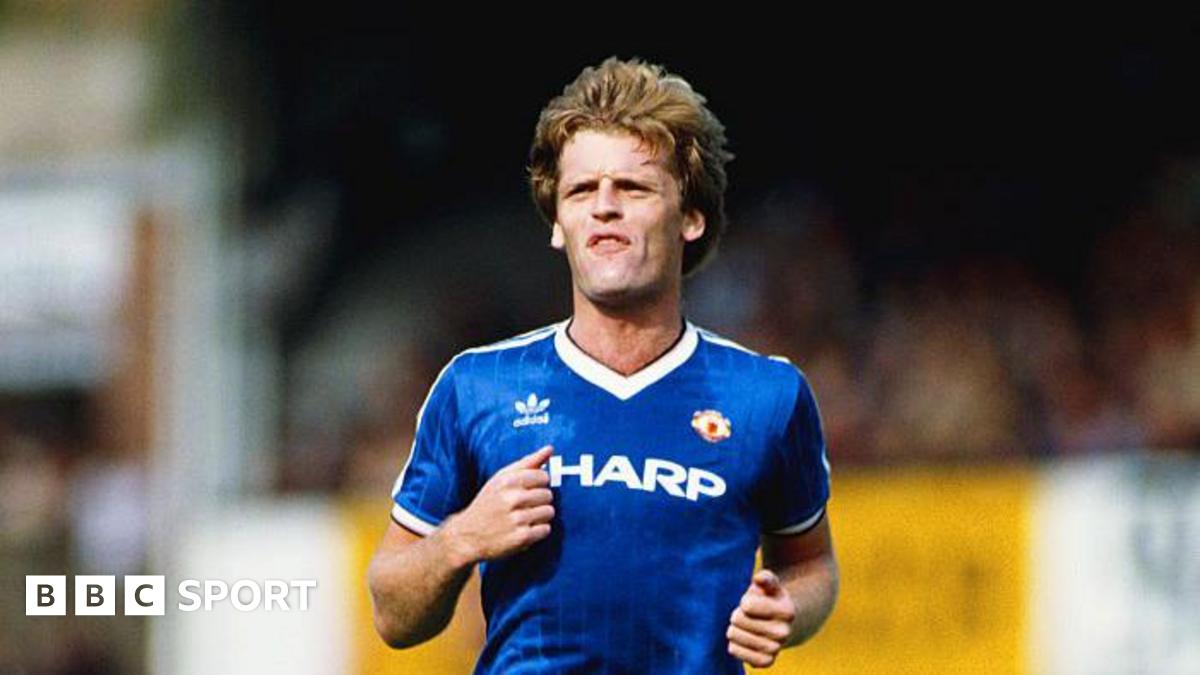
A recent ruling by a senior coroner declared that heading footballs likely contributed to the brain disease affecting former footballers like Gordon McQueen. This verdict reignites the debate around the link between repetitive head impacts and chronic traumatic encephalopathy (CTE). Research shows footballers have a higher risk of developing CTE. The ruling emphasizes the need for further action.
The case of McQueen, who also suffered from vascular dementia, highlights the devastating impact of CTE. The Football Association (FA) has already implemented some measures, including restrictions on heading in youth football, and guidelines for professional clubs. However, critics argue these steps are insufficient, and more needs to be done to protect players from long-term risks.
Campaigners, including families of affected players, are calling for a reduction in heading during training. They emphasize that the goal isn't to eliminate heading entirely, but to minimize the frequency of head impacts. The focus is to make the game safer for current and future players. Further research and stricter guidelines are expected.
Expert Willie Stewart, a specialist in CTE, notes that the UK is taking the issue more seriously than other countries. He stresses the need for more global action to address the problem. The International Football Association Board (IFAB) has concussion protocols but has not yet addressed heading regulations.
Source: BBC Sport · Summarized by HeadlinesBriefing