
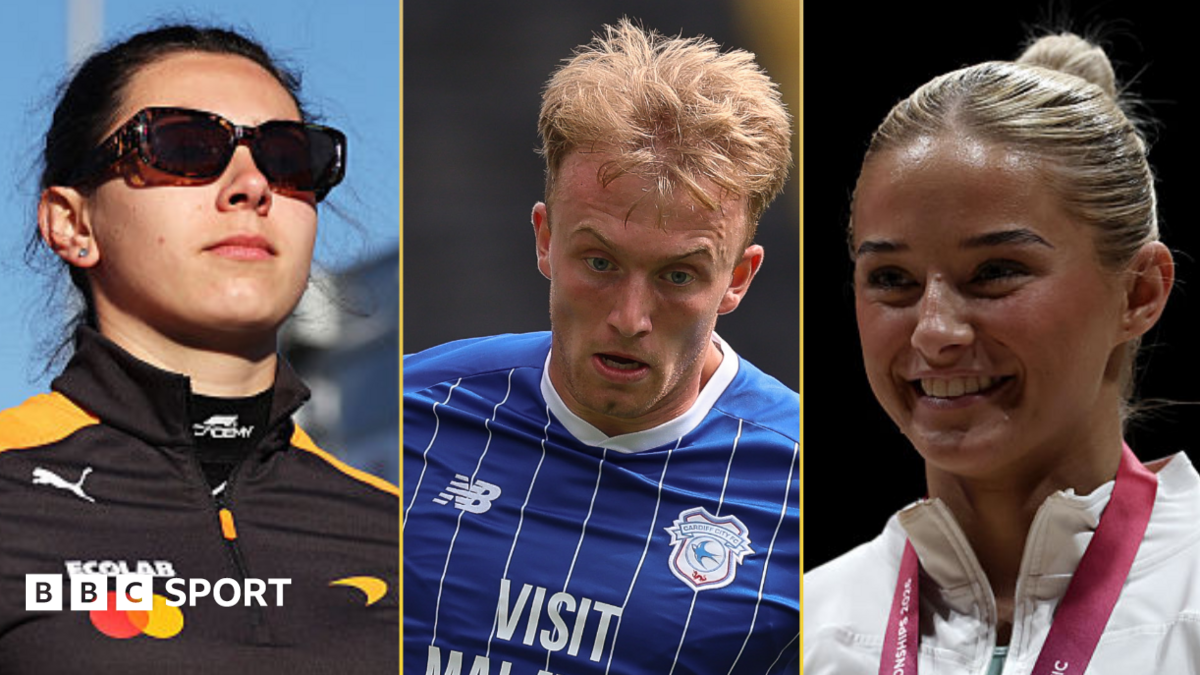
Young athletes now face immediate, unfiltered scrutiny that bypasses traditional barriers between players and fans. Wales international Hannah Cain and tennis player Heather Watson describe a hostile environment where anonymous criticism follows every performance. Some stars, like Luke Littler, have admitted the pressure almost led them to quit their sport entirely due to relentless crowd and online abuse.
This visibility creates a paradox for those in lower-earning sports. MMA fighter Dakota Ditcheva explains that fighters must stay active online to attract promoters and brand deals, even during fight week. Conversely, footballer Brennan Johnson chose to deactivate his Instagram in 2024 to prioritize his game, showing the divide between those who can afford to disconnect and those who cannot.
Psychologist Dr Mikel Mellick notes that younger athletes are adapting by viewing social media as entertainment rather than fact. Cardiff City midfielder Eli King is leveraging this shift through his Justaquickconvo podcast to address mental health. By sharing personal struggles, these athletes are attempting to break the stigma and encourage help-seeking behavior among their peers.
While some athletes like Ella Lloyd and Ruby Evans ignore the noise, others face extreme threats. Katie Boulter received death threats after a French Open tie-break loss, illustrating how a single mistake triggers public hostility. This environment forces athletes to balance professional exposure with their personal well-being to survive the spotlight.
Source: BBC Sport Football · Summarized by HeadlinesBriefing