
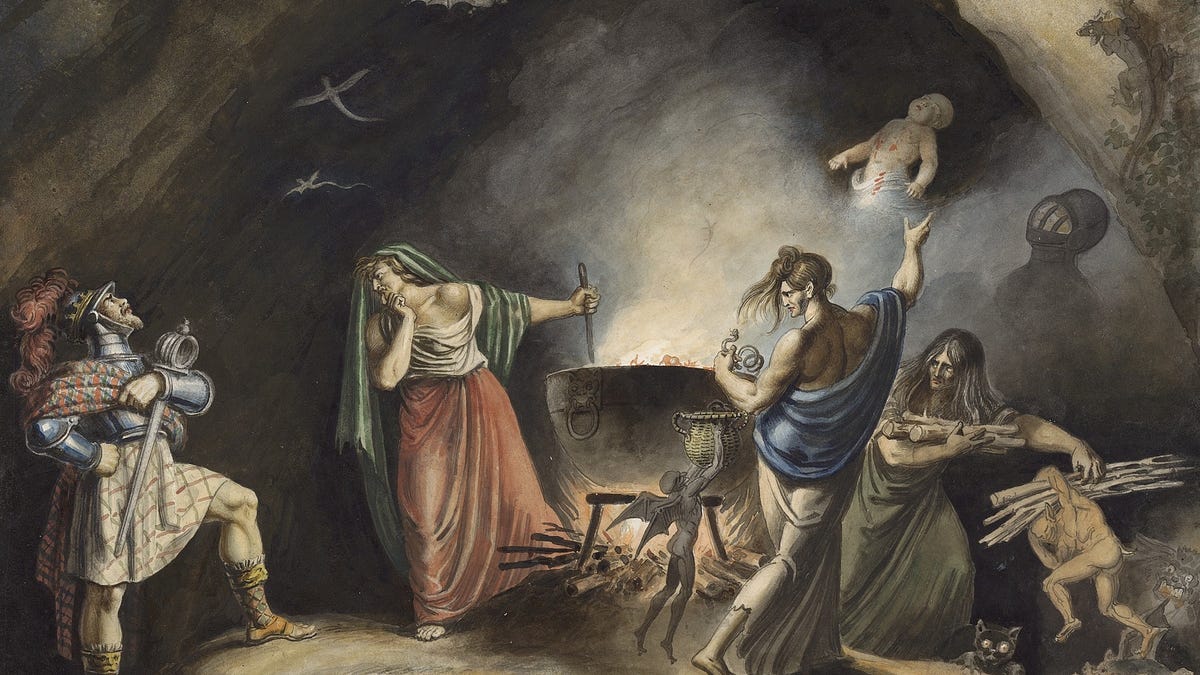
The word "weird" is common today, but its origins are surprisingly dark. A thousand years ago, its ancestor was the Old English "wyrd," meaning fate or destiny. This heavy concept appears in poems like Beowulf and The Wanderer, where heroes face an inexorable fate.
The word's transformation began after the Norman Conquest in 1066, when French and Latin words like "fortune" and "fate" entered English, making "wyrd" seem old-fashioned. It survived in Scotland, where it evolved into "weird" and took on supernatural meanings, especially through Shakespeare's witches in Macbeth. The spelling stuck, which is why "weird" breaks the "i before e" rule.
Its pronunciation suggests it should be spelled "weerd," but the Scottish spelling prevailed, making it a quirky exception in English. This history shows how language changes through conquest and literature, turning a profound term into a casual descriptor for the strange.
Source: Hacker News · Summarized by HeadlinesBriefing