
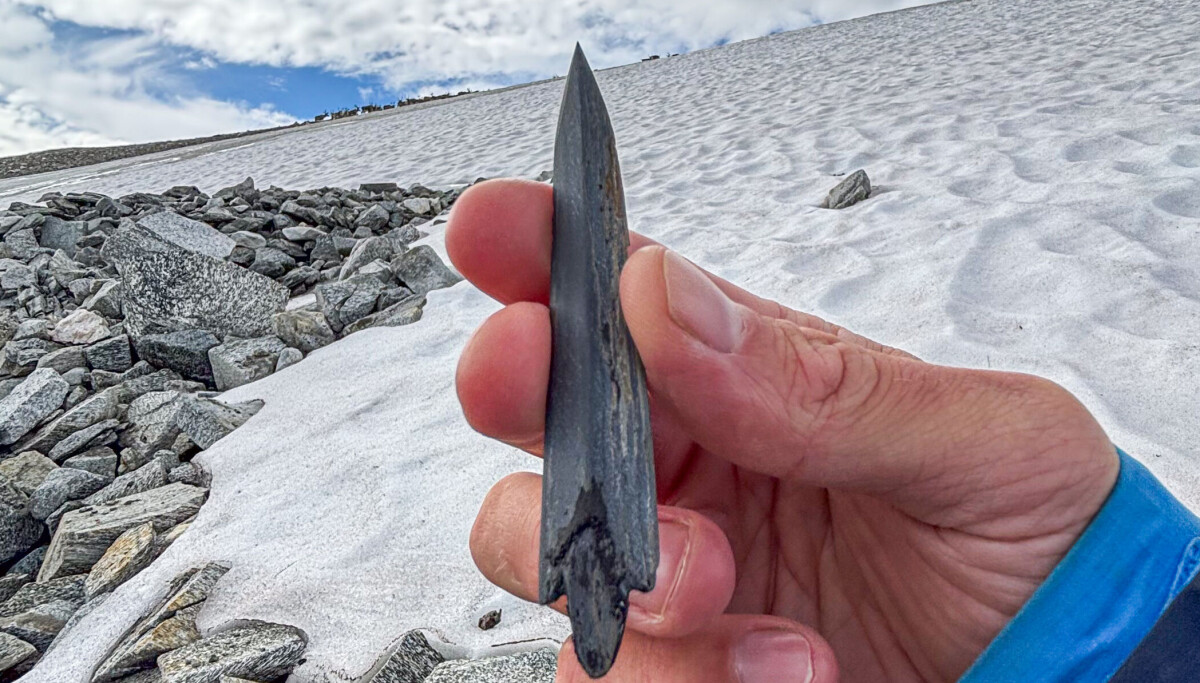
For 20 years, archaeologists with Secrets of the Ice have recovered artifacts from melting ice patches in Innlandet, eastern Norway. Initially, finds were mostly from the Viking Age, but rapidly melting ice now exposes much older relics. A recent expedition uncovered over 48 prehistoric arrows in a single season.
Among the most significant discoveries are arrowheads and shafts dated between 5,000 and 6,000 years old, made from slate, bone, and freshwater mussel shells. These finds represent the Stone Age emerging as the oldest ice disappears. Organic materials like wood, leather, and textiles have been exceptionally well-preserved.
However, the work carries a somber tone. Lead archaeologist Espen Finstad notes a shift from excitement to sadness as they witness ice patches vanishing before their eyes. Recent events, including landslides in Nepal and glacier collapse in Jotunheimen, have heightened the emotional weight of their mission.
The team documents a brutal reality: only patches of ice remain where large fields once existed. This year, the reality of climate change struck the archaeologists more forcefully than ever before, marking a poignant transition in their fieldwork.
Source: Hacker News · Summarized by HeadlinesBriefing