
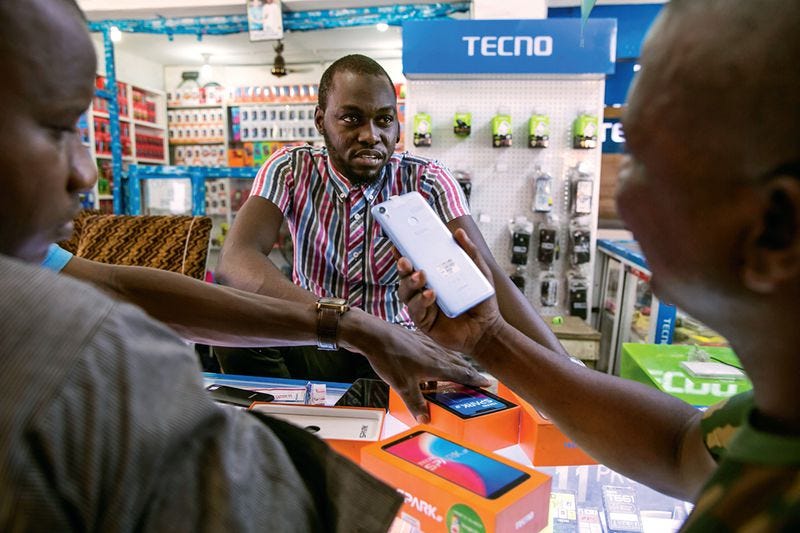
The last four decades have seen consumer electronics plummet in price while exploding in performance. In 1985 an affluent American paid roughly $6,000 for an IBM PC AT, a machine that executed under a million instructions per second. Today a $30‑$120 Tecno Spark Go in Nairobi or Lagos delivers billions of calculations, putting a pocket‑sized supercomputer in the hands of the world’s poorest.
IDC projects smartphone shipments will drop 13 percent in 2026, the steepest annual decline ever, with Africa and the Middle East seeing cuts above 20 percent at the low‑end market. The squeeze stems from a memory shortage: AI workloads now dominate DRAM demand, forcing manufacturers to reallocate capacity away from cheap phones and driving up component costs.
Building a state‑of‑the‑art DRAM fab now costs roughly $15‑$20 billion, with years of low yields before profitability. Because DRAM chips are interchangeable, the industry cycles between booms and busts, leaving few survivors. As memory prices stay high, the cheap smartphone that expanded global internet access fades, and even affluent markets may soon feel tighter pricing. Manufacturers warn the trend could reshape device economics significantly worldwide.
Source: Hacker News · Summarized by HeadlinesBriefing