
Trying to determine the Earth's mass presents a unique challenge. Unlike measuring your own weight with a scale, the planet's immense size and gravitational pull require a different approach. The article explores how scientists tackled this problem, using a mountain to estimate our planet's mass. It's a fascinating look at the history of scientific discovery.
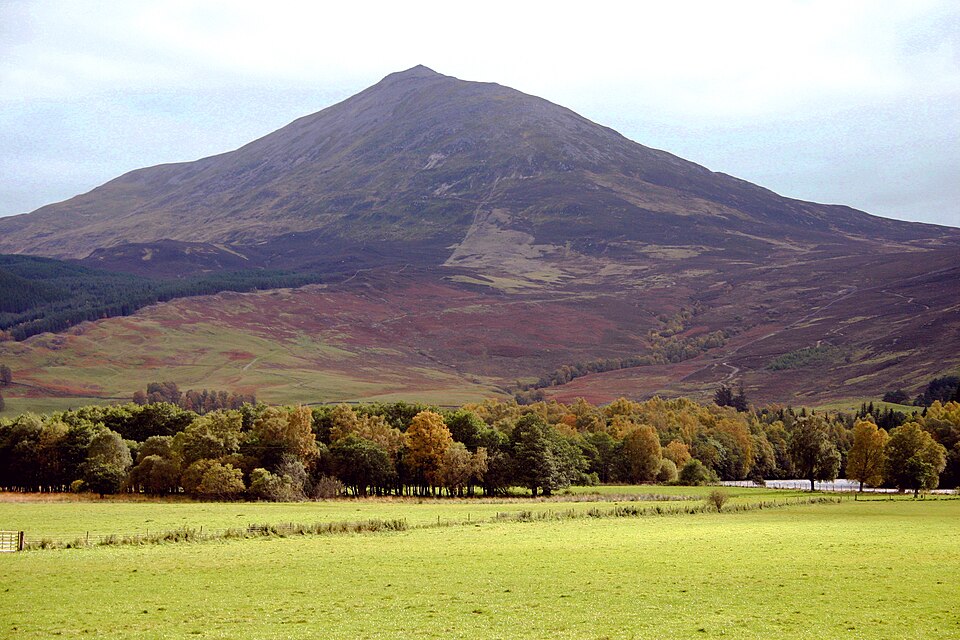
In 1774, scientists selected Schiehallion, a symmetrical mountain in Scotland, to measure its gravitational effects. By observing how the mountain's gravity deflected a plumb line, they could infer its mass. Surveyors meticulously mapped the mountain's shape and rock density. Then, they compared these findings to the Earth's density, estimating the Earth's mass.
Using this method, they estimated the Earth was 1.8 times denser than Schiehallion. While the initial results were within 20% of modern measurements, this experiment proved that gravity originated from all objects. This early endeavor paved the way for more precise measurements, like Henry Cavendish's 1798 experiment.
Cavendish's work, using lead spheres and a torsion pendulum, dramatically reduced the error rate. This experiment built upon the foundation laid by the Schiehallion project. The article offers a glimpse into how scientific inquiry evolves through ingenuity and persistence. What's next for gravitational research?
Source: Hacker News: Front Page · Summarized by HeadlinesBriefing