
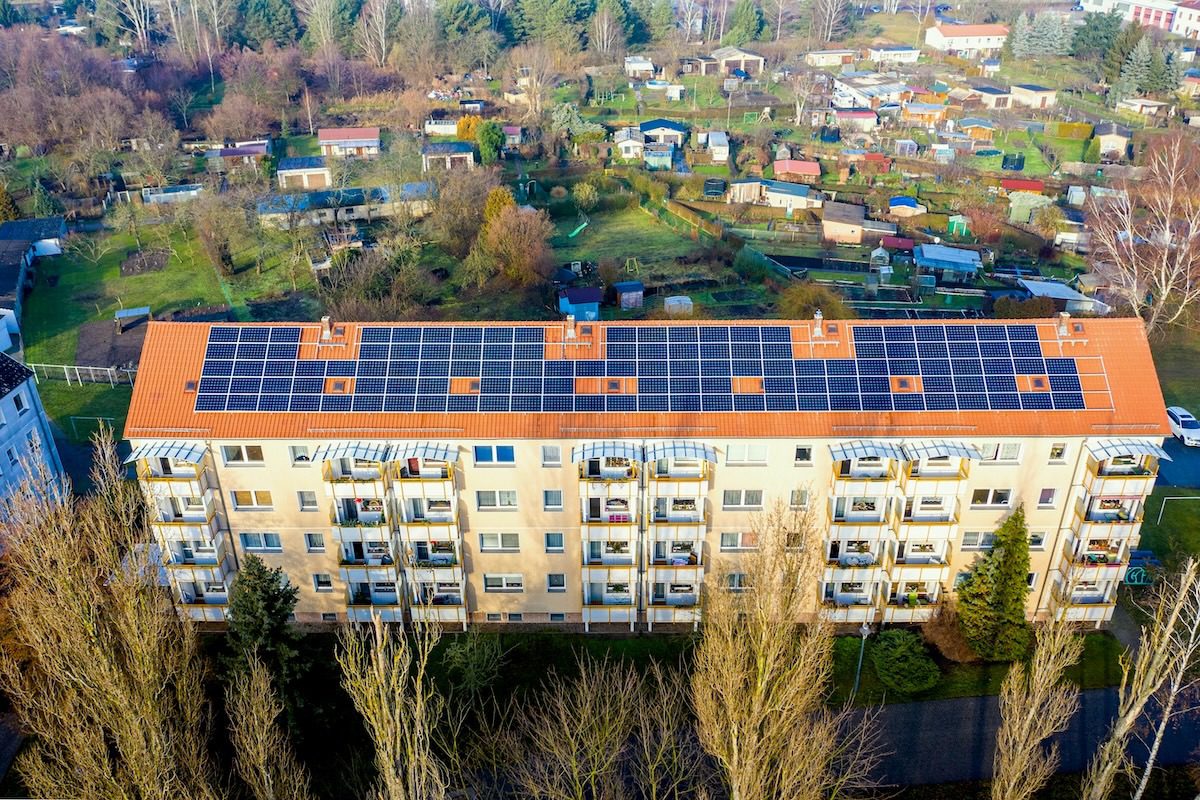
Europe marked a historic milestone last year as wind and solar energy surpassed fossil fuels in power generation. According to a new analysis by Ember, a London-based think tank, these renewable sources provided 30 percent of the E.U.'s electricity, while fossil fuels accounted for 29 percent. This shift is primarily driven by the rapid expansion of solar energy, which is growing faster than any other electricity source. The analysis reveals that solar power is gaining ground across all E.U. countries, with notable increases in Hungary, Cyprus, Greece, Spain, and the Netherlands, where it supplied over 20 percent of power. This transition is part of a broader trend where renewables, including hydro, accounted for nearly half of the E.U.'s electricity in 2025.
The report also highlights the declining role of coal, which now accounts for less than 5 percent of power in 19 European countries. Ireland and Finland recently shut down their last coal plants, joining a growing list of nations committed to phasing out coal. However, the shift to clean energy faces challenges, particularly from droughts that impact hydropower output. As a result, natural gas usage increased to compensate for the drop in hydro production. Beatrice Petrovich, an Ember analyst, emphasized the need to reduce reliance on expensive, imported gas, which not only makes the E.U. vulnerable to energy blackmail but also drives up prices.
Looking ahead, the analysis suggests that cheapening batteries are beginning to displace natural gas, especially during peak evening hours when solar output diminishes. This trend could stabilize energy prices by reducing reliance on gas during these critical periods. As Europe accelerates its transition to renewables, the role of batteries and other storage solutions will become increasingly vital. The successful integration of these technologies will be key to achieving a stable and sustainable energy future for the continent.
This development underscores Europe's commitment to combating climate change and reducing its carbon footprint. With the rapid growth of solar and wind power, the continent is setting a global example for renewable energy adoption. However, the transition is not without its challenges, particularly in managing the intermittency of solar and wind power. As Europe continues to innovate in energy storage and grid management, it will be crucial to maintain this momentum and address the remaining barriers to a fully renewable energy system.
Source: Hacker News: Front Page · Summarized by HeadlinesBriefing