
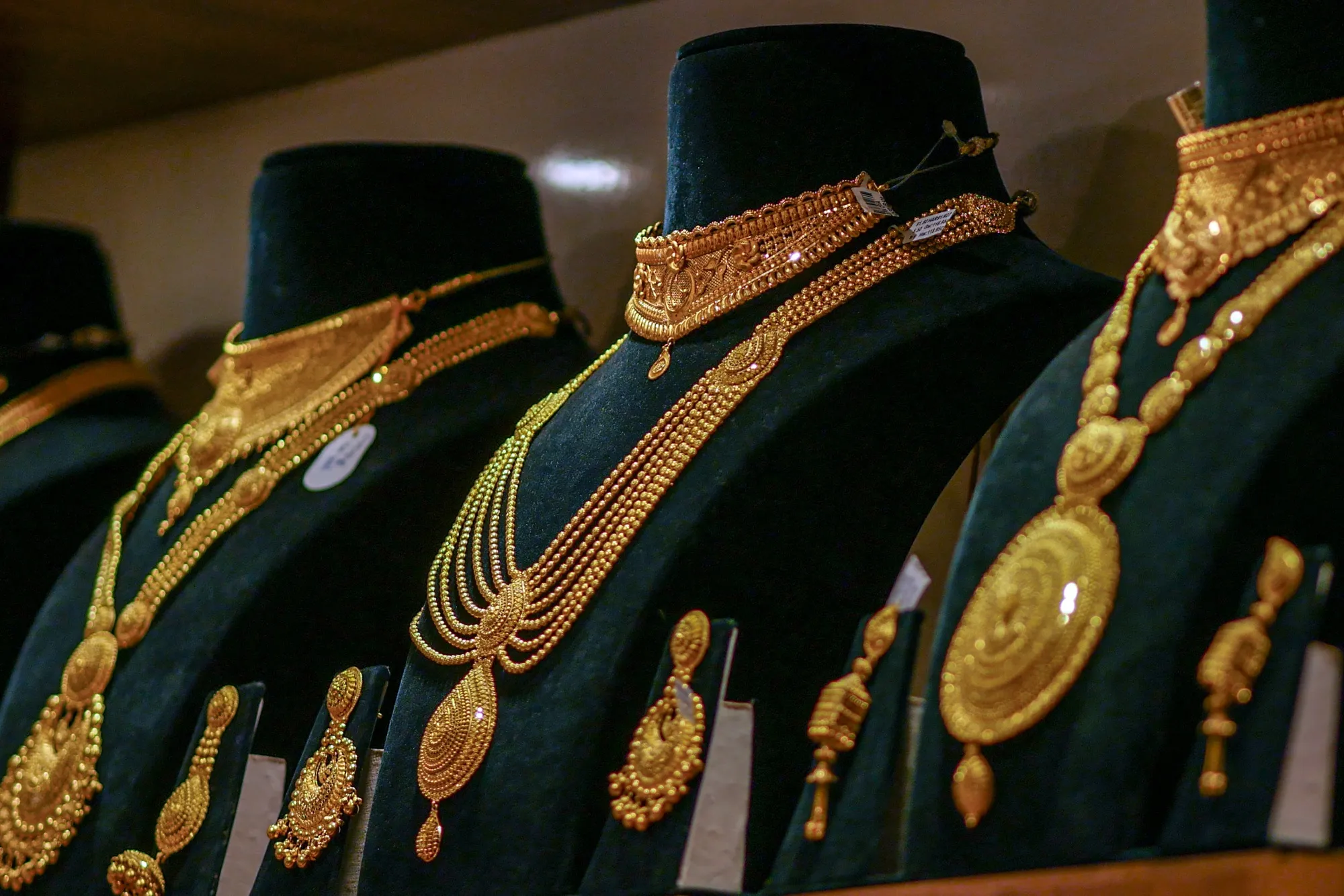
Exorbitantly high gold prices and steep taxes are driving more Indian buyers into under-the-counter cash sales, where bullion and jewelry change hands without invoices that can be traced by authorities. Buying off the books with cash can shave as much as 6% from prevailing market prices for bulk buyers, according to five people familiar with the trade. Dealers accepting cash can sidestep taxes and pass part of the savings on to customers.
One shopper, who gave her name only as Anuradha, said she had bought ornaments for her daughter’s wedding at a discount of 5,000 rupees ($52) for every 10 grams — but took no receipt. The savings were hard to ignore for the 55-year-old homemaker after gold surged to a record earlier this year. Prices have since eased but remain almost 28% higher than a year ago. “It was an offer I couldn’t refuse.
Gold prices are way too high and we trust the jeweler,” she said, asking that only her first name be used because of the sensitivity of the transaction. Anuradha is among a growing number of buyers turning to the shadow trade, which has flourished since the government more than doubled import levies on gold and silver to 15%, as part of steps to curb purchases as India grapples with a ballooning trade deficit. Retail customers have to pay an additional 3% goods and services tax.
The resurgence in the unofficial market is an unintended consequence of a policy designed to curb India’s appetite for gold. The world’s second-biggest consumer after China, India buys the metal on births, festivals and, above all, for weddings. It serves as adornment, gift and family savings.
With little domestic production, most demand is met through imports, which weighs heavily on the trade bill and the currency. In the cash market, traders have been able to source gold at discounts of as much as $200 an ounce to prevailing domestic prices, according to the people. Prices vary widely in the fragmented, informal trade, where deals are negotiated individually rather than against a common benchmark. “A discount of that magnitude in the parallel market primarily reflects the economics of unofficial supply,” said Hiren Chandaria, managing director, Middle East and Asia operations at London-based Monetary Metals. “Higher import duty creates a significantly greater incentive for gold to enter outside the official duty-paid channel.” By comparison, the markdown on landed prices of gold imported through official channels averaged about $50 an ounce in September, according to consultancy Metals Focus.
Some retail customers, meanwhile, can secure discounts of as much as 10,000 rupees per 10 grams, depending on their bargaining skills and relationship with the jeweler, the people said. Gold is India’s biggest imported commodity after oil and a major contributor to the trade deficit, which widened to almost $32 billion in July, the highest this year. The bills for those shipments surged more than 32% from a year earlier in the four months through July, prompting Prime Minister Narendra Modi to urge Indians for the second time in five months to avoid purchases and help conserve foreign-exchange reserves.
Imports in August, however, plunged to less than half their year-earlier level. The informal gold trade has almost always existed in India, but there was little incentive to bypass official channels when the import duty stood at 6%. The latest increase revived the unofficial trade and it is thriving ahead of the wedding and festival season that starts mid-October and goes on until early March. “At today’s gold prices, even a relatively small percentage difference translates into a significant absolute cost difference in rupee terms,” Chandaria said.